Bipolar disorder A Rollercoaster of Emotions and Insights

Bipolar disorder

Bipolar disorder is like that friend who shows up to the party on a rollercoaster: one minute they’re soaring high and the next, they’re in a dip that could make your stomach turn! This intriguing mental health condition involves dramatic shifts in mood, energy, and activity levels, leaving both the individual and their loved ones trying to keep up. With various types and symptoms that can sometimes resemble a mood-swinging ping pong match, understanding bipolar disorder is key to unraveling the mysteries of this complex emotional landscape.

From the highs of mania to the lows of depression, bipolar disorder is far more than just a label; it’s a journey filled with unique characteristics shaped by genetics, environmental factors, and lifestyle choices. This comprehensive exploration will delve into the intricacies of bipolar disorder, its treatment options, and how lifestyle adjustments can play a pivotal role in managing this condition effectively.

Understanding Bipolar Disorder

Bipolar disorder

Bipolar disorder, once known as manic-depressive illness, is a mental health condition that brings dramatic shifts in mood, energy, and activity levels. This disorder’s peaks and valleys can make life feel like a roller coaster ride – minus the safety harness. In this segment, we will explore the types, characteristics, symptoms, and risk factors associated with bipolar disorder, all while keeping it light yet informative.

Types of Bipolar Disorder

Bipolar disorder isn’t a one-size-fits-all situation; it comes in multiple flavors! The primary types include:

  • Bipolar I Disorder: Characterized by at least one manic episode that lasts at least seven days or by manic symptoms that are so severe that immediate hospital care is needed. Depressive episodes are common as well, often lasting at least two weeks.
  • Bipolar II Disorder: Defined by a pattern of depressive episodes and hypomanic episodes, but not the full-blown manic episodes that are typical of Bipolar I.
  • Cyclothymic Disorder: A milder form of bipolar disorder, involving numerous periods of hypomanic symptoms and depressive symptoms lasting for at least two years (one year for children and adolescents).
  • Other Specified and Unspecified Bipolar and Related Disorders: These categories cover bipolar disorder symptoms that do not match the three categories listed above but still involve significant mood changes.

These types illustrate the spectrum of experiences individuals may have, from euphoric highs to heart-wrenching lows, making each person’s journey unique.

Symptoms Distinguishing Bipolar Disorder

Distinguishing bipolar disorder from other mood disorders involves recognizing its unique symptoms. While many mood disorders share some characteristics, bipolar disorder has its own distinct hallmarks.

  • Manic Episodes: Increased energy, reduced need for sleep, euphoria, irritability, and reckless behavior are common during manic phases.
  • Hypomanic Episodes: Similar to manic episodes but less severe, hypomania can still include heightened mood and increased productivity, often leading to a delightful sense of invincibility.
  • Depressive Episodes: Feelings of sadness, emptiness, hopelessness, and a lack of interest in previously enjoyed activities can dominate during depressive episodes.
  • Mixed Episodes: These pose a unique challenge, with symptoms of both mania and depression occurring simultaneously, resulting in emotional confusion and distress.

When compared to other mood disorders like major depression or anxiety disorders, the inclusion of manic or hypomanic episodes serves as a key differentiator for bipolar disorder.

Risk Factors and Genetic Components

Bipolar disorder does not occur in a vacuum; it stems from a complex interplay of genetic, biological, and environmental factors. Understanding these components can shed light on why some individuals are more susceptible than others.

  • Genetics: Individuals with a family history of bipolar disorder are at a higher risk. Studies suggest that around 80-90% of people diagnosed with bipolar disorder have a relative with a mood disorder, making it a real family affair!
  • Brain Structure and Function: Research has shown that certain neurobiological factors, like imbalances in neurotransmitters and differences in brain structure, may play a role in causing bipolar symptoms.
  • Environmental Triggers: Stressful life events such as trauma, loss, or major life changes can trigger the onset of bipolar disorder symptoms, acting like a pushy friend encouraging you to get on the emotional roller coaster.
  • Substance Abuse: The misuse of drugs and alcohol can exacerbate bipolar symptoms, contributing to mood swings and complicating treatment approaches.

By recognizing these risk factors, individuals and their loved ones can take proactive steps toward management and support, turning the tide against this multifaceted condition in a positively charged manner.

Treatment Options for Bipolar Disorder

Bipolar disorder is like that unpredictable friend who swings between being the life of the party and the one who won’t leave the couch. Managing this condition often requires a solid game plan that includes medication, therapy, and a sprinkle of alternative treatments. Let’s dive into these options and find out how they can help bring a bit more stability to the highs and lows.

Medication Overview

When it comes to treating bipolar disorder, medication often takes center stage—like the lead singer in a rock band. Commonly prescribed medications include mood stabilizers, antipsychotics, and antidepressants. Each plays a unique role in managing symptoms and ensuring that the rollercoaster of emotions has a smoother ride.

  • Mood Stabilizers: These are the rock stars of bipolar treatment. Lithium is the most well-known, helping to balance mood and reduce the risk of manic and depressive episodes. Think of it as the backstage pass to a calmer mental state.
  • Antipsychotics: Medications like olanzapine and quetiapine help manage severe episodes of mania or depression. They may not be as popular as mood stabilizers, but they can be crucial for some individuals, keeping the mood swings from becoming a full-blown concert.
  • Antidepressants: Sometimes, these meds join the lineup to combat depressive episodes. However, they can be tricky for those with bipolar disorder, as they might trigger mania if not paired with a mood stabilizer. In concert terms, they need to play in harmony!

Psychotherapy Methods

Therapy can be like the roadies of treatment; they don’t get the spotlight, but they’re essential for keeping things running smoothly. Different psychotherapy methods provide support, structure, and strategies for managing bipolar disorder.

  • Cognitive Behavioral Therapy (CBT): This method helps individuals identify and change negative thought patterns and behaviors. It’s like having a personal trainer for your brain, helping you build mental resilience.
  • Interpersonal and Social Rhythm Therapy (IPSRT): This focuses on stabilizing daily rhythms and improving relationships. It’s all about finding your groove and keeping it steady, much like a well-practiced band finding their tempo.
  • Family-Focused Therapy: This involves family members in the treatment process, improving communication and understanding. It’s like forming a fan club, where everyone is on board to support the main act in managing bipolar disorder.

Alternative Treatments

For those looking to explore additional avenues, alternative treatments can be beneficial. These options can complement traditional treatments and may help improve overall well-being—think of them as the encore performance at a concert.

  • Mindfulness and Meditation: Practicing mindfulness can help individuals stay grounded and manage stress. Picture sitting cross-legged, focusing on your breath, while the chaos of life swirls around you like confetti at a concert.
  • Exercise: Regular physical activity is known to boost mood and reduce anxiety. It’s like a natural high-five to your brain chemistry, making you feel more energized and, quite frankly, less like a couch potato.
  • Nutrition: A healthy diet can have a positive impact on mood stabilization. Foods rich in omega-3 fatty acids (like fish) and antioxidants (like berries) can kick-start your brain function. Think of it as tuning up the instruments before the show!
  • Art and Music Therapy: Engaging in creative activities can be cathartic and help express emotions that words sometimes can’t capture. Whether it’s painting, playing an instrument, or just jamming with friends, creativity can be a powerful therapeutic tool.

Impact of Lifestyle on Bipolar Disorder Management

Managing bipolar disorder isn’t just about medication; it’s also about making lifestyle choices that can help steer the emotional rollercoaster toward smoother tracks. Who knew that eating your greens and taking a brisk walk could be your trusty sidekicks in the fight against mood swings? Yes, it’s true! Lifestyle plays an essential role in managing bipolar disorder and can significantly influence overall well-being.

Techniques for Stress Management

Stress management is crucial for individuals with bipolar disorder, as heightened stress can trigger mood swings. Techniques such as deep-breathing exercises, progressive muscle relaxation, and yoga can help alleviate stress and induce calm. These techniques not only promote relaxation but also improve resilience against future stressors. Here are some effective stress management techniques:

  • Deep Breathing: Engage in slow, deep breaths to calm the mind and body.
  • Progressive Muscle Relaxation: Tense and then relax each muscle group to release physical tension.
  • Mindful Meditation: Focus on the present moment, acknowledging thoughts without judgment.
  • Nature Walks: Getting outside can lower stress levels and bring a dose of sunshine to your day.
  • Art Therapy: Express your feelings through drawing or painting — it’s like therapy with a splash of paint!

“Stress less, smile more!”

Role of Nutrition and Exercise

Nutrition and exercise are not just for beach bodies; they’re essential for mental health too! A balanced diet helps fuel the brain, stabilizing mood and energy levels, while physical activity releases endorphins that act as natural mood lifters. Consider these dietary choices and exercise tips for better mood stabilization:

  • Omega-3 Fatty Acids: Found in fish like salmon, these can help reduce mood swings.
  • Complex Carbohydrates: Foods like whole grains and legumes can have a calming effect.
  • Antioxidant-Rich Foods: Fruits and vegetables like berries and spinach can combat oxidative stress.
  • Regular Exercise: Aim for at least 30 minutes of moderate exercise most days — it’s like a daily dose of happiness!
  • Hydration: Staying hydrated helps maintain cognitive function and mood.

“You are what you eat; don’t be fast, cheap, easy, or fake!”

Designing a Self-Care Routine

Creating a self-care routine that incorporates meditation and mindfulness practices can anchor individuals with bipolar disorder amidst emotional turbulence. A well-structured routine not only provides stability but also promotes greater self-awareness and emotional regulation. Here’s an example of a self-care routine:

  • Morning Meditation: Start the day with 10 minutes of mindfulness meditation to set a positive tone.
  • Balanced Breakfast: Include protein and complex carbohydrates to fuel your morning.
  • Midday Movement: Take a brisk 15-minute walk; it’s a great excuse to step away from work.
  • Aromatherapy: Use calming scents like lavender during stressful moments to soothe your mind.
  • Gratitude Journal: End your day by jotting down three things you’re grateful for, fostering positivity.

“Self-care is not selfish; it’s essential!”

Final Summary

Bipolar disorder

In conclusion, navigating the ups and downs of bipolar disorder might feel like trying to walk a tightrope in a windstorm, but with the right knowledge and support, it’s possible to find balance and stability. Whether it’s through medication, therapy, or a sprinkle of self-care sprinkled with mindfulness and a dash of humor, those managing bipolar disorder can lead fulfilling lives.

Remember, it’s not just about surviving the ride; it’s about enjoying the journey!

Key Questions Answered

What are the main types of bipolar disorder?

The main types include Bipolar I, Bipolar II, and Cyclothymic disorder, each characterized by different patterns of mood swings and intensity.

Can bipolar disorder be cured?

While there is no cure, bipolar disorder can be effectively managed with the right treatments and strategies.

How does bipolar disorder affect relationships?

Bipolar disorder can lead to misunderstandings and challenges in relationships, but open communication and support can help navigate these hurdles.

Is it possible to lead a normal life with bipolar disorder?

Yes! With proper management and support, many individuals with bipolar disorder lead fulfilling and productive lives.

What should I do if I think I have bipolar disorder?

Consult a mental health professional for a proper diagnosis and to discuss potential treatment options.

Over-the-counter medicine a humorous health companion

Over-the-counter medicine

Over-the-counter medicine is like that friend who always shows up uninvited but somehow manages to fix your hangover. From pesky headaches to the common cold, these little pill-popping heroes are readily available to save the day without the need for a doctor’s note. They come in various flavors and functions, making them the perfect sidekick in the quest for health and wellness.

But what exactly qualifies as over-the-counter medicine? These medications are classified as safe enough to be sold without a prescription, offering relief for a myriad of minor ailments. In addition to their general uses, regulations ensure that these remedies meet safety standards, so you’re not just throwing random herbs at your problems. They are a staple in home healthcare, providing caregivers and patients alike with accessible treatment options.

Over-the-Counter Medicine Overview

Over-the-counter (OTC) medicine is a delightful concoction of health-boosting substances that you can snag without a prescription, often found nestled between the candy bars and the questionable energy drinks in your local pharmacy. These medications are like the superheroes of the pharmacy world, ready to swoop in and alleviate your discomfort without the need for a doctor’s note or a cape.

OTC medicines are classified into various categories based on their usage and active ingredients. They are primarily designed for self-care, and they can be divided into two major classes:

1. Safety

Medications that are safe for use by the general public without a prescription.

2. Effectiveness

Products that have been proven effective for their intended use and can be sold without a prescription. These classifications help consumers navigate the world of self-medication with confidence, ensuring that they can tackle their ailments without the hassle of waiting rooms and medical jargon.

Common Types of Over-the-Counter Medications

Understanding the various types of OTC medications can transform you into a savvy shopper at the pharmacy. Here’s a rundown of the most commonly encountered OTC medications and their uses:

  • Pain Relievers: Medications like ibuprofen and acetaminophen are your go-to allies for headaches, muscle aches, and the occasional existential crisis.
  • Cold and Allergy Medications: These include antihistamines and decongestants, perfect for combatting the sniffles and sneezes during allergy season or whenever you encounter a particularly aggressive dust bunny.
  • Digestive Aids: Products containing famotidine or simethicone can provide sweet relief from heartburn, indigestion, and flatulence, letting you enjoy your burrito without the aftermath of regret.
  • Topical Treatments: Creams and ointments for skin irritations, such as hydrocortisone or antifungal creams, are essential for dealing with the occasional rash or stubborn athlete’s foot.
  • Vitamins and Supplements: While not technically medications, these are often found on the same aisle and can support your quest for optimal health, whether you’re battling scurvy or just trying to feel less tired.

The regulations surrounding the sale and distribution of OTC medicines are crucial for maintaining safety and effectiveness. In many countries, these products must meet rigorous standards set by regulatory bodies like the FDA (Food and Drug Administration) in the United States. These regulations ensure that OTC medications are both safe for public use and effective for their intended purpose. Products must undergo testing for safety and efficacy before being granted the coveted OTC status, and labeling must provide clear instructions on how to use them safely.

This is aimed at preventing misuse, which could lead to unfortunate side effects or, in some cases, unintended bathroom adventures.

“OTC medications empower consumers, giving them the ability to handle minor health issues with confidence.”

Home Health Care and Over-the-Counter Medicine

In the world of home health care, over-the-counter (OTC) medicine acts as a trusty sidekick—like Robin to Batman, or that last slice of pizza when you’re famished. It’s always there when you need a little relief without the drama of a doctor’s visit. However, just like any superhero duo, it requires careful management and understanding to ensure that all goes smoothly in the home care setting.Navigating the aisle of OTC medications can feel like trying to find a needle in a haystack, but the following list includes commonly used medications that can help ease various ailments right at home.

Each of these medicines has its own special powers, ready to save the day!

Common Over-the-Counter Medications in Home Health Care

Knowing which OTC meds to keep in your home health care toolkit can make all the difference between a day spent in bed and a day spent conquering the world. Here’s a list of the MVPs (Most Valuable Pills) you might want to have on hand:

  • Acetaminophen
    -A go-to for pain relief and fever reduction, it’s like a warm hug for your head or sore muscles.
  • Ibuprofen
    -The multi-tasking anti-inflammatory that tackles pain while also bringing down fevers. It’s the Swiss Army knife of OTC meds!
  • Antihistamines (like Diphenhydramine)
    -Perfect for those allergy flare-ups, these are your trusty sidekicks when pollen strikes back.
  • Cold and Flu Medications
    -From cough syrups to decongestants, these can help keep the sniffles at bay, allowing you to binge-watch your favorite shows in peace.
  • Laxatives
    -Sometimes the body needs a little nudge. Think of these as your internal motivational speakers: “You can do it!”
  • Topical Creams (like Hydrocortisone)
    -For skin irritations and rashes, these creams are here to soothe and calm your skin’s mini tantrums.

Safe Administration of Over-the-Counter Medicines

Administering OTC medications at home can be a breeze if you follow some straightforward strategies. Just because they are available without a prescription doesn’t mean they are immune to mishaps.To ensure medications work their magic safely, consider these key strategies:

  • Read Labels: Always read the instructions provided on the packaging. Dosage recommendations are like the GPS for your journey through recovery—don’t stray off course!
  • Keep a Medication Log: Documenting each medication taken can prevent accidental double-dosing. Think of it as your very own medication diary—a place for all your pill-related thoughts.
  • Consult Healthcare Providers: If unsure about combining medications or if symptoms persist, don’t hesitate to contact a healthcare professional. They have the knowledge and expertise to guide you, like a wise owl in a forest of confusion.
  • Storage Matters: Keep medications out of reach of children and pets, preferably in a cool, dry place. They don’t need to discover their inner chemist, after all!

Monitoring Patient Reactions to Over-the-Counter Treatments

Caregivers play a pivotal role in ensuring that patients respond positively to OTC treatments. Monitoring reactions is essential—consider yourself the vigilant guardian of health, watching for any signs of discomfort or adverse effects.Here are some guidelines for caregivers to keep a keen eye on:

  • Observe Side Effects: Familiarize yourself with potential side effects of the medications being given. Watch for unusual symptoms; it’s like being a detective in a health mystery!
  • Regular Communication: Encourage open conversations with patients about how they feel after taking their medications. It’s like having a feedback loop for your health plans!
  • Check Vital Signs: Keep track of temperature, heart rate, and other vital signs to ensure all is well. Consider it your “health status update” akin to a social media check-in, but far more important.
  • Be Aware of Allergies: Always ask about any known allergies before administering OTC medications. A little detective work here can prevent a big health crisis!

Health and Wellness Connections

Over-the-counter medicine

Over-the-counter medicines are like the Swiss Army knives of the health world—handy, versatile, and sometimes a little bit confusing. They play a significant role in managing various health conditions, and surprisingly, they also have a cozy relationship with wellness practices. Let’s explore how these little helpers can be your allies in hypertension management, mood boosting, and even complementing your zen moments.

Over-the-Counter Medicines and Hypertension Management

High blood pressure, often dubbed the silent killer, is a condition that can sneak up on you like that one friend who shows up uninvited but brings snacks. Over-the-counter medications can assist in managing hypertension symptoms, often working in tandem with lifestyle changes. For instance, many non-prescription products—especially NSAIDs (non-steroidal anti-inflammatory drugs)—should be taken with caution as they can elevate blood pressure.

However, certain products like potassium supplements can help maintain a healthy balance, supporting heart health without the need for a prescription. Moreover, herbal remedies such as garlic supplements and omega-3 fish oil are also available over the counter. Research indicates that these can play a role in reducing blood pressure levels, creating a natural approach to managing hypertension. Just remember, a casual chat with a healthcare provider is a wise move before embarking on any OTC adventure for hypertension.

Over-the-Counter Products in Mental Health and Mood Disorders

Feeling like you’re in a funk? Over-the-counter products have your back—well, sort of! While they won’t replace a therapist (sorry, folks), some OTC options can aid in managing mild mood disorders and provide a boost when you need it most. For instance, the calming effects of products containing St. John’s Wort have been widely touted for mild depression, while melatonin supplements can help regulate sleep patterns, which is crucial for mental health.Moreover, various herbal teas that contain chamomile and lavender are readily available and can serve as soothing drinks to lift your spirits.

It’s like giving your mood a warm hug, one cup at a time. However, it’s essential to be aware of potential interactions with other medications, particularly for those on antidepressants.

Over-the-Counter Options Complementing Health Practices

For those who embrace massage and meditation as part of their health routine, there are over-the-counter products that can enhance these practices, making your wellness journey even more delightful. Think of them as the sidekicks to your superhero wellness routine. Essential oils like eucalyptus and lavender can be found in your local pharmacy, ready to elevate your massage experience or create a serene atmosphere for meditation.

Incorporating these aromas can turn your home into a tranquil sanctuary, or at least distract you from the neighbor’s loud karaoke nights. Additionally, topical analgesics such as menthol patches can soothe sore muscles post-massage, allowing you to float away on a cloud of relaxation. Together, these OTC products can synergize with massage and meditation, helping you achieve that state of zen without the need for a degree in yoga.

“Over-the-counter medicine can act as a bridge between managing health conditions and enhancing overall wellness.”

Final Conclusion

Over-the-counter medicine

In conclusion, over-the-counter medicine is a handy toolbox filled with remedies for life’s little annoyances. Whether it’s managing a cold, tackling hypertension, or even just lifting your mood, these medications have got your back. Remember, while they are your trusty sidekicks, a little caution goes a long way, and if things get too hairy, don’t hesitate to call in the pros!

Expert Answers

What is the difference between OTC and prescription medicine?

OTC medicines can be purchased without a prescription, while prescription medicines require a doctor’s approval and prescription.

Can I use OTC medicine for chronic conditions?

Some OTC medicines can help manage symptoms of chronic conditions, but it’s best to consult with a healthcare provider for long-term management.

Are OTC medicines safe for children?

Many OTC medicines are safe for children, but always check the label for age recommendations and consult a pediatrician if unsure.

How should I store OTC medicines?

OTC medicines should be stored in a cool, dry place, away from direct sunlight and out of reach of children.

Can I take multiple OTC medicines at once?

It’s important to read the labels and ensure that the ingredients don’t overlap. If in doubt, consult a pharmacist or doctor!

Massage techniques Your Guide to Relaxation and Relief

Massage sha gua chart guasha posterior therapy female techniques facial oriental saved

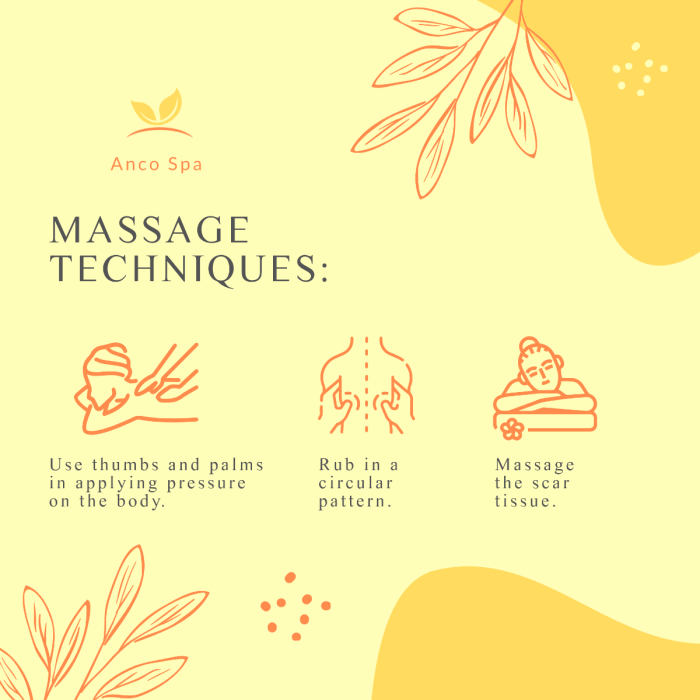
Welcome to the wonderful world of Massage techniques, where stress and tension meet their match! Imagine a realm where the only thing that gets kneaded is your back, and the only stress you feel is from deciding between Swedish and deep tissue. In this delightful journey, we’ll explore the art of massage, equip you with practical skills, and reveal the secrets to transforming your home into a relaxation sanctuary.

So, grab your oil and let’s get those knots out!

From the gentle strokes of Swedish massage to the deep pressure of therapeutic techniques, each massage style offers a unique pathway to health and wellness. We’ll delve into the benefits of these techniques, how they can ease chronic pain, and the remarkable impact they have on mental well-being. Get ready to loosen up and learn how to apply these techniques not just on yourself but on your loved ones too!

Popular Massage Techniques

Welcome to the world of relaxation and rejuvenation! When it comes to pampering oneself, few things can compare to the bliss of a well-executed massage. From melting away tension to turning your stress into a puddle on the floor, various techniques offer unique benefits. Whether you’re a massage novice or a seasoned aficionado, there’s something here for everyone. So, put on your comfiest attire, and let’s dive right into the delightful universe of popular massage techniques!

Swedish Massage

Swedish massage is the go-to for anyone seeking a gentle yet effective way to unwind. It employs long, flowing strokes, kneading, and circular motions to soothe those tired muscles. Here’s how you can perform a basic Swedish massage:

1. Set the Mood

Dim the lights, play soft music, and perhaps light a candle (or two) to create a serene ambiance. Remember, we’re aiming for spa vibes, not a disco party!

2. Use Lotion or Oil

A good quality massage oil or lotion is essential. It allows your hands to glide smoothly over the skin without snagging like a cat on a scratching post.

3. Start with Effleurage

Begin with long, gliding strokes on the back, moving from the lower back up to the shoulders. Repeat this a few times to warm up the muscles. Think of it as giving your muscles a warm hug.

4. Knead the Tension Away

Use your fingers and palms to knead the muscles, focusing on areas of tightness. Don’t be afraid to get in there like you’re kneading pizza dough.

5. Circular Motions

Apply circular motions with your fingers, especially around the shoulders and neck, to release accumulated tension. Just remember to avoid the ‘awkward’ areas—no one wants an accidental elbow to the ribs!

6. Finish with Gentle Strokes

End the massage with light, soothing strokes to calm the body and signal that it’s time to relax completely.

The benefits of Swedish massage are as plentiful as the toppings on a pizza. It enhances circulation, reduces muscle tension, and promotes relaxation. Plus, it may even help with sleep—a win-win for anyone who’s counting sheep by the dozen!

Deep Tissue Massage

Deep tissue massage goes beyond the surface to target the deeper layers of muscle and connective tissue. This technique may feel like a workout for the therapist’s hands, but the results can be incredibly beneficial. It’s particularly helpful for chronic pain and muscle tension release. Here’s what you can expect:

Pressure Points

Focus on specific areas of tightness using firm pressure, which may feel like an intense game of “Guess Who” with your muscles.

Fascia Release

The therapist may also work on the fascia—the connective tissue surrounding muscles—using slow strokes and deep pressure.

Pain Relief

Many people find this technique effective for managing pain and enhancing flexibility, almost like turning back the clock on your body’s creaky joints.

Aromatherapy Massage

Aromatherapy massage combines the power of essential oils with the relaxing benefits of massage. It transforms a regular massage into a fragrant journey straight through relaxation land. Here’s what makes it special:

Essential Oils

Different oils, such as lavender for relaxation or eucalyptus for respiratory relief, are used to enhance the experience; it’s like a spa day for your nose!

Mood Booster

The scents can uplift your mood, reduce anxiety, and even promote better sleep. It’s like giving your brain a little hug while your body gets pampered.

Soothing Effects

The combination of massage techniques with the therapeutic properties of essential oils can lead to improved mental and physical well-being.

Embracing these massage techniques can be akin to giving your body a mini-vacation, with each type offering its unique flavor of relaxation. So next time you’re feeling a bit like a pretzel, consider rolling into one of these delightful massage experiences and let your worries float away like a balloon at a birthday party.

Health Benefits of Massage in Home Health Care

In the world of home health care, where comfort meets care, massage therapy struts in like a superhero in a cape – well, maybe not a cape, but definitely with a soothing touch! Integrating massage into home health routines can transform the mundane into the miraculous. Imagine swapping out the drudgery of everyday care with gentle kneads and relaxation techniques that not only pamper patients but also bolster their health.

The benefits are as bountiful as a garden in springtime, promising vitality and relief.

Massage therapy is a glorious ally in managing chronic pain and improving mobility. When patients find themselves grappling with discomfort that’s as persistent as a door-to-door salesman, massage can swoop in to save the day. Research highlights that regular massage sessions can decrease muscle tension, enhance circulation, and even lower levels of stress hormones. It’s like having a Swiss Army knife in your corner, addressing various health concerns with a single tool!

Essential Massage Techniques for Caregivers

Understanding which massage techniques to implement can be as essential as knowing the difference between a spatula and a whisk in the kitchen. Here are some vital techniques that caregivers can easily incorporate into their daily routines, ensuring that patients not only feel better but also experience a greater sense of well-being:

  • Effleurage: This gentle stroking technique mimics a warm hug – no awkwardness, just pure relaxation. Perfect for warming up the muscles and setting a calming tone for the session.
  • Petrissage: Think of this as the dough-kneading phase of massage. It involves kneading and squeezing the muscles, which is fantastic for loosening tight knots and improving blood flow.
  • Friction: When muscles feel like they’re auditioning for a Broadway show – all tight and tense – friction techniques can help release that tension. Caregivers can apply deeper pressure in circular motions, targeting specific areas of discomfort.
  • Tapotement: This one’s a little quirky, involving rhythmic tapping or percussion movements. It’s the body’s version of an energizing coffee break, stimulating the muscles and encouraging circulation.
  • Stretching Techniques: Gentle stretching can enhance flexibility and range of motion. Much like how cats stretch after a nap, patients can benefit greatly from these movements during a massage session.

The integration of these techniques into home care not only supports patients physically but also fosters emotional bonds between caregivers and those they care for. After all, nothing says “I care” quite like a well-timed massage that alleviates pain and boosts mobility, turning every day into a good day.

Connection Between Massage, Mental Health, and Wellness

Techniques massage apkpure

In today’s fast-paced world, stress seems to be the uninvited guest at every party, and we’re all looking for ways to kick it out the door. Enter massage therapy, the soothing superhero of the wellness world! Not only does it knead away those pesky knots in our muscles, but it also works wonders for our mental health. Let’s delve into how massage therapy can be your new best friend in the quest for mental balance and happiness.Massage therapy isn’t just about pampering yourself; it’s a powerful tool for mental well-being.

Research shows that regular massage can lead to significant reductions in stress levels, anxiety, and depression. It’s like giving your mind a mini-vacation! The act of massage stimulates the release of endorphins, those delightful little chemicals that make you feel all warm and fuzzy inside. So, next time you’re feeling frazzled, remember that a massage might be just what the therapist ordered!

Impact of Massage on Stress Reduction and Anxiety Relief

Stress and anxiety can feel like a heavy backpack you can never take off, but massage therapy can help lighten that load. It’s like having a personal assistant to help you carry your burdens—except this assistant uses their hands instead of a truck! Here’s how massage contributes to reducing stress and anxiety:

Releases Tension

Massage relaxes tight muscles, which can be a physical manifestation of stress. With each stroke, your body releases tension that has been stored up like an old sock in a drawer.

Promotes Relaxation

The soothing effects of massage facilitate a state of relaxation, lowering heart rates and decreasing blood pressure—essentially teaching your body to chill out.

Enhances Mood

By boosting serotonin and dopamine levels, massage therapy can elevate your mood, making you feel like you just won the mental lottery.

Improves Sleep

Better sleep leads to a clearer mind and a more positive outlook. Massage helps combat insomnia, helping you wake up feeling like the best version of yourself.

Combining Massage with Meditation Practices for Enhanced Relaxation

Combining massage with meditation can turn your wellness routine into a serene sanctuary. Think of it as a double whammy for tranquility! Integrating these two practices can magnify the benefits, creating a symphony of relaxation that your body and mind will thank you for. Here’s how to master this zen combo:

Set the Scene

Create a calm environment. Dim the lights, light some scented candles, and play soft music that will transport you to a tranquil paradise—preferably one without screaming children or honking cars.

Mindful Breathing

Before your massage, spend a few minutes focusing on your breath. Inhale deeply through your nose, hold for a moment, and exhale slowly through your mouth. This primes your mind for relaxation, like warming up before a big game.

Focus on Body Awareness

While receiving the massage, direct your attention to the areas being worked on. Acknowledge any tension and mentally let it float away like a balloon—preferably one that doesn’t come back!

Post-Massage Reflection

After the massage, dedicate time to reflect in silence or meditate. This helps solidify the peaceful feeling you’ve just cultivated, allowing you to ride the wave of relaxation long after your session has ended.Incorporating massage into your wellness routine can yield profound benefits for both your mental health and overall well-being. So, stretch those muscles and stretch your mind; your happiness depends on it!

Conclusive Thoughts

Massage sha gua chart guasha posterior therapy female techniques facial oriental saved

As we wrap up our massage adventure, remember that the path to relaxation isn’t just a massage session but a delightful journey into self-care. Whether you’re looking to alleviate chronic pain or simply melt away stress, the various Massage techniques offer something for everyone. So the next time life throws you a curveball, grab that massage oil and remember: a little kneading goes a long way toward happiness! Now go forth and massage with confidence!

General Inquiries

What are the most popular massage techniques?

The most popular massage techniques include Swedish, deep tissue, sports, and aromatherapy, each offering unique benefits.

Can I perform massage techniques on myself?

Absolutely! Self-massage techniques like using a foam roller or simply kneading your own shoulders can be very effective.

How often should I get a massage?

It depends on your needs, but many experts recommend once a month for maintenance or more frequently if you’re dealing with chronic pain.

Is massage safe for everyone?

While most people can benefit from massage, those with certain health conditions should consult a healthcare provider before starting therapy.

What should I expect during a massage session?

You can expect a calm environment, a discussion of your needs, and a range of techniques tailored to your comfort level and health goals.

Swedish massage the ultimate relaxation experience

Swedish massage

Imagine yourself melting into a cloud of tranquility as skilled hands work their magic, easing away the knots of daily life—welcome to the world of Swedish massage! This delightful technique, known for its soothing strokes and gentle kneading, is like a mini-vacation for your muscles. Not only does it pamper your physical self, but it also sprinkles joy into your emotional well-being, turning stress into a mere whisper.

From combating tension headaches to giving your circulation a much-needed boost, Swedish massage packs a punch of benefits that can elevate your health game. With techniques like effleurage and petrissage, it’s as if you’ve invited a gentle breeze into your body, sweeping away the cobwebs of stress and fatigue. So, buckle up as we journey through the wonders of this rejuvenating practice!

Benefits of Swedish Massage

Swedish massage

When it comes to relaxation and rejuvenation, Swedish massage is like a warm hug for your body. This beloved technique, characterized by long strokes and gentle kneading, does wonders beyond just making you feel like a spaghetti noodle after a long day. From physical improvements to emotional boosts, the benefits of Swedish massage are as plentiful as the number of times you’ve said “I’ll start eating healthy next week.”One of the most notable benefits of Swedish massage is its ability to enhance overall health.

Not only does it help relieve muscle tension, but it also improves circulation, which is essential for transporting nutrients throughout the body. When blood flow increases, it can help reduce soreness and promote quicker recovery times after physical activity. Additionally, this massage style can enhance joint flexibility and improve posture, allowing you to strut around with the elegance of a peacock, minus the feathers.

Physical Benefits of Swedish Massage

Swedish massage offers a plethora of physical benefits that contribute to overall wellness. Here are some of the remarkable effects you can expect:

  • Muscle Relaxation: The rhythmic strokes ease tight muscles, making them looser and more pliable, much like softening butter on a warm day.
  • Improved Circulation: This massage technique boosts blood flow, which helps to deliver oxygen and nutrients to your muscles and vital organs. Think of it as a speedy delivery service for your body!
  • Pain Relief: Regular sessions can help alleviate chronic pain conditions such as lower back pain, arthritis, and headaches, providing relief that feels like a soothing balm on a sunburn.
  • Increased Flexibility: By loosening tight muscles and connective tissues, Swedish massage can enhance your range of motion, making you feel spry enough to join a yoga class (or just reach for that last slice of pizza).

Stress and Tension Alleviation

One of the primary reasons people flock to Swedish massage is its incredible ability to alleviate stress and tension. The gentle, flowing strokes create a serene environment that helps quiet the mind and soothe the soul. Here are some ways Swedish massage tackles stress head-on:

  • Reduction of Cortisol Levels: Research shows that massage can significantly lower cortisol levels, the hormone responsible for stress. With less cortisol, you’ll feel calmer and more balanced.
  • Release of Endorphins: The massage stimulates the production of endorphins, the body’s natural painkillers and mood elevators. It’s like your body throwing a little dance party in response to the soothing touch of the therapist.
  • Greater Relaxation: The combination of soothing music, calming scents, and skilled hands can transport you to a tranquil paradise, melting away the day’s worries faster than ice cream on a summer day.

Mental and Emotional Benefits

Swedish massage does not just work wonders on the body; it’s also a boon for the mind and emotions. Regular sessions can lead to mental clarity and emotional stability, transforming your mindset from “I-can’t-even” to “bring-it-on.” Here’s how:

  • Enhanced Mood: The calming effect of Swedish massage can lead to reduced feelings of anxiety and depression, making you feel like you’ve just won the emotional lottery.
  • Improved Sleep Quality: By promoting relaxation, this massage helps improve sleep patterns, resulting in a more restful slumber that leaves you feeling refreshed and ready to tackle the day.
  • Increased Body Awareness: Regular massages can help you connect with your body and its needs, allowing you to better listen and respond to what it’s trying to tell you, like “Hey, maybe skip that extra slice of cake!”

“Swedish massage: because sometimes you just need a professional to help you put your body back together again!”

Techniques Used in Swedish Massage

Swedish massage

Swedish massage is like the gourmet meal of bodywork, where each technique adds a unique flavor to the overall experience. The techniques employed are not just random acts of kindness; they’re strategically designed to melt away tension and transport you to your happy place. Picture a soothing symphony for your muscles, with each stroke playing its part to perfection. The primary techniques in Swedish massage include effleurage, petrissage, friction, tapotement, and vibration.

Each technique has a specific purpose and contributes to relaxation and recovery in distinct ways.

Effleurage and Petrissage

Effleurage, the gentle stroking of the skin, is the opening act of the Swedish massage. Think of it as the warm-up before the big concert, easing your body into the relaxation zone. This technique promotes blood circulation and prepares the tissues for deeper work. Imagine a soft breeze on a warm summer day, gliding over your skin and whispering sweet nothings to your muscles.Petrissage, on the other hand, is the muscle-kneading superstar of the show.

With a bit more elbow grease, it involves lifting, kneading, and squeezing the muscles. This technique not only helps in breaking down knots but also enhances lymphatic drainage. Picture a doughnut being kneaded to perfection, and you’ll get the idea. The result? A deliciously relaxed body that feels rejuvenated and ready to tackle whatever life throws your way.

Techniques Comparison with Other Styles

When comparing Swedish massage techniques with other massage styles, we see that Swedish massage is like the friendly neighbor who brings over cookies, while others might be the intense personal trainer pushing you to your limits. Here’s a snapshot of how Swedish massage stands out against some popular styles:

Massage Style Techniques Focus
Swedish Massage Effleurage, Petrissage, Friction, Tapotement, Vibration Relaxation, Circulation, Overall Well-being
Deep Tissue Massage Deep Pressure, Cross-Fiber Friction Targeting Deep Muscles, Releasing Chronic Tension
Shiatsu Pressure Points, Stretching Energy Flow, Meridian Balancing
Hot Stone Massage Heated Stones, Deep Pressure Muscle Relaxation, Stress Relief

While Swedish massage employs a harmonious blend of gentle and invigorating strokes aimed at relaxation, other styles may emphasize targeted pressure or specific techniques for deeper issues. It’s like choosing between a delightful spa day and an intense workout session—both have their merits, but it all boils down to what your body craves in the moment.

“Swedish massage is the art of relaxing the body, while other styles often focus on the science of relief.”

Integrating Swedish Massage into Home Health Care

In the world of home health care, integrating Swedish massage can be a blissful addition, especially for individuals battling hypertension. Imagine turning your living room into a haven of relaxation, where the stresses of the outside world melt away with every stroke of a massage. Not only does it offer relaxation, but it also promotes better health, making it an essential part of the wellness toolkit.Swedish massage can be seamlessly blended into a home health care regimen, particularly for those managing hypertension.

By employing gentle techniques that encourage circulation and relaxation, caregivers can create a soothing atmosphere conducive to health improvement. This method not only calms the mind but also lowers blood pressure, contributing to a holistic approach to well-being. Picture this: a caregiver walks in with soothing music, aromatic oils, and a smile, ready to transform a tense afternoon into a serene escape.

Methods for Incorporating Swedish Massage into Home Health Care

Integrating Swedish massage into a home health care routine can be as delightful as a warm croissant on a Sunday morning. Here are some effective methods to ensure that this therapeutic practice brings joy and health to those in need:

  • Create a Relaxing Environment: Set the scene with soft lighting, calming music, and perhaps even a hint of lavender in the air. This makes the massage feel like a mini-vacation!
  • Establish a Routine: Regularly scheduled massage sessions can significantly help in managing hypertension. Think of it as a weekly appointment with bliss.
  • Use the Right Techniques: Focus on long, gliding strokes, kneading, and circular movements that promote relaxation and relieve muscle tension. It’s like icing on a cake, just the right touch to sweeten the experience!
  • Consider Health Conditions: Always take into account any specific health concerns of the individual. Consulting with a healthcare provider ensures that the massage techniques used are safe and effective. Safety first, massage later!

Integrating Swedish massage not only stands alone as a relaxing treatment but also complements other health therapies in nursing care. It works hand-in-hand with medicinal approaches, providing a comprehensive care plan that addresses both physical and emotional health.

Complementing Other Health Therapies in Nursing Care

Swedish massage can be a fantastic accompaniment to other health therapies, enhancing the overall efficacy of nursing care. When combined with conventional treatments, it can foster a deeper sense of relaxation and well-being.

  • Pain Management: Swedish massage can alleviate muscle tension and reduce pain, making it an excellent adjunct to medications prescribed for pain relief.
  • Stress Reduction: When paired with stress management techniques, such as deep breathing or guided imagery, Swedish massage helps lower anxiety levels more effectively.
  • Improved Circulation: The techniques of Swedish massage promote better blood flow, which can enhance recovery from surgeries or injuries when used alongside physical therapy.

Just like a fine wine pairs beautifully with gourmet cheese, Swedish massage complements other treatments to create a well-rounded care experience.

Integrating Swedish Massage Practices with Health and Meditation Routines

When we think about enhancing well-being, the combination of Swedish massage with health and meditation routines is like a match made in wellness heaven. Here’s how you can integrate these practices for a truly transformative experience:

  • Mindfulness Integration: Encourage practitioners to practice mindfulness during the massage, focusing on breath and body sensations, which amplifies relaxation and mental clarity.
  • Pre-Meditation Massage: Offering a quick Swedish massage before meditation sessions can help calm the mind and prepare the body for a deeper meditative experience.
  • Post-Massage Reflection: After the massage, a few moments of quiet reflection or journaling can further enhance the benefits, allowing individuals to connect body and mind.

The combination of these practices not only promotes relaxation but also fosters a deeper connection to one’s health and well-being. Picture a serene, meditative space where the gentle touch of massage meets the calm of mindfulness, creating an oasis of tranquility at home.

Final Review

In a world where stress seems to be the uninvited guest at every party, Swedish massage emerges as the bouncer, kicking tension to the curb with style. Whether you want to unwind after a long day or integrate this blissful practice into your home health toolkit, the magic of Swedish massage is simply irresistible. So, why not treat yourself to some well-deserved pampering and let those worries slip away like soap in the shower?

Helpful Answers

What is Swedish massage?

Swedish massage is a classic massage technique that uses long strokes, kneading, and gentle circular motions to promote relaxation and improve circulation.

Is Swedish massage suitable for everyone?

Yes, it is generally suitable for most people, but always consult with a healthcare provider if you have specific health concerns.

How often should I get a Swedish massage?

Many people find that a monthly massage keeps them feeling relaxed, but weekly sessions can provide even greater benefits.

Can Swedish massage help with anxiety?

Absolutely! The calming techniques used in Swedish massage can significantly reduce stress and anxiety levels.

What should I expect during a Swedish massage?

You can expect a relaxing environment, soothing music, and a therapist who will tailor the massage to your comfort level and needs.