Affordable home care Options for Everyones Budget

Affordable home care

Welcome to the world of Affordable home care, where the only thing more comforting than a cup of tea is knowing that everyone can have access to care without breaking the bank! Imagine a place where caregivers are as plentiful as your Aunt Edna’s fruitcake at family reunions, and you can find support for your loved ones right in the comfort of their own home.

From exploring different types of affordable home care services to tracking down financial assistance programs that won’t make you cry into your wallet, we’ll guide you through this journey. Plus, we’ll share tips on comparing home care costs like a savvy shopper at a yard sale, ensuring that you get the best bang for your buck!

Affordable Home Care Options
Affordable home care

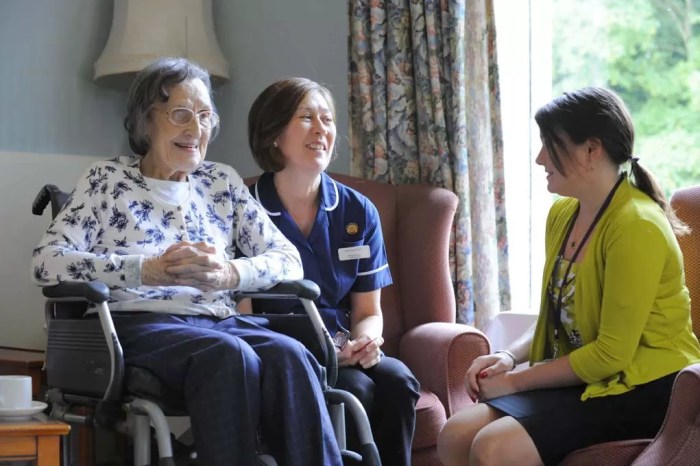
Finding affordable home care options can feel like searching for a needle in a haystack while blindfolded. Fortunately, there are various services available that can help you or your loved ones maintain independence without breaking the bank. With a little help from community resources and financial assistance programs, you can ensure that quality care is within reach, and you won’t have to sell your kidney to pay for it!Affordable home care services come in various forms, addressing different needs and budgets.

From in-home personal care assistance to skilled nursing services, the options are as diverse as the flavors in an ice cream shop. Understanding these services and the financial support available can help you navigate the home care landscape without getting lost in the weeds.

Types of Affordable Home Care Services

When it comes to home care, knowing what’s available is half the battle. Here’s a breakdown of the primary types of affordable services you can find in your community:

  • Personal Care Aides: These superheroes help with daily activities like bathing, dressing, and meal preparation, ensuring that you or your loved ones can stay safe and comfortable at home.
  • Companionship Services: For those who crave more social interaction than just chatting with the mailman, companionship services provide friendly faces to share stories, watch movies, or play bingo with.
  • Skilled Nursing Care: Sometimes, you need a bit more than a chat and a cup of tea. Skilled nursing services offer medical assistance, medication management, and even wound care from licensed professionals.
  • Respite Care: For family caregivers in need of a break (and who isn’t?), respite care provides temporary relief by taking over caregiving duties, so you can recharge your batteries and maybe even binge-watch that series everyone’s been talking about.

Financial Assistance Programs for Home Care Services

Navigating the world of home care can be tricky, especially when finances are tight. Luckily, there are several financial assistance programs designed to ease the burden. Here’s a glimpse into the options that could help you:

  • Medicaid: For those who meet specific income requirements, Medicaid can cover a wide range of home care services, including personal care and skilled nursing, making it a top choice for many.
  • Veterans Affairs (VA) Benefits: Veterans can access various home care services through the VA. Programs like the Aid and Attendance benefit can significantly help with the costs of in-home care.
  • State Assistance Programs: Many states offer programs to assist with home care costs, tailored to residents. Check with local agencies for programs that could be a lifesaver.
  • Long-Term Care Insurance: If you’ve been wise enough to invest in a long-term care policy, this could cover a significant portion of home care expenses, allowing you to maintain your dignity without sacrificing your savings.

Comparing Costs of Different Home Care Providers

Comparing costs for home care services can feel like shopping for a used car—there’s a lot of variety, and you want to avoid the lemon! To get the best bang for your buck, consider these critical factors:

  • Hourly Rates vs. Flat Fees: Understand how providers charge. Some may offer hourly rates, while others may have flat fees for specific services. Make sure you know what you’re getting for your money!
  • Service Inclusions: Not all care is created equal! Ensure you know what services are included in the price. Extra fees for added services can sneak up on you like a cat at dinner time.
  • Reputation and Reviews: Research providers by reading reviews or asking for recommendations. A company with a solid reputation might cost a little more but could save you from a whole world of trouble.
  • Trial Periods: Some agencies offer trial periods or consultations. Take advantage of these opportunities to gauge if their services meet your needs and expectations before making a long-term commitment.

Remember, finding the right home care service is not just about cost—it’s about quality, comfort, and peace of mind.

Integration of Home Health Care

The integration of home health care plays a crucial role in managing chronic conditions, ensuring individuals can receive the necessary support right at home. This approach shifts the focus from traditional healthcare settings to the familiar, comfortable environment of one’s own home. With this transition, patients can enjoy a more personalized care experience, leading to improved health outcomes and a generally happier existence.

Who wouldn’t prefer receiving care while nestled in their favorite armchair, rather than in a sterile hospital room?Home health care is essential in managing chronic conditions such as diabetes, heart disease, and arthritis. It allows for ongoing monitoring, medication management, and education on lifestyle changes—all while minimizing the need for frequent hospital visits. Home health care professionals can track health metrics, adjust treatment plans as needed, and communicate effectively with family members, ensuring everyone is on the same page.

It’s like having a mini hospital at home, minus the long waiting room times and the questionable coffee in the break room.

Coordination Between Home Health Care and Family Caregivers

Effective coordination between home health care providers and family caregivers is vital for delivering comprehensive care. This collaboration ensures that everyone involved in a patient’s care is aware of their needs, preferences, and the specific care plan being executed. Here’s how to make this teamwork dream work:

1. Establish Open Communication

Setting up regular check-ins between family caregivers and home health professionals keeps everyone updated and engaged. Think of it as a family meeting but with fewer arguments about who took the last slice of pizza.

2. Share Responsibilities Clearly

Define roles and expectations for both home health providers and family caregivers. This clarity prevents overlaps and gaps in care. Utilize a shared calendar or care plan document to keep track of tasks, appointments, and medication schedules.

3. Provide Education and Resources

Family caregivers should be empowered with the necessary information and training to assist in their loved one’s care. Home health professionals can offer guidance on medication administration, symptom monitoring, and emergency response strategies.

4. Encourage Family Involvement

Encourage family members to participate in care activities. This engagement helps create a supportive environment and fosters stronger bonds—just without the family drama that might come with a game night.

5. Utilize Technology

Leverage technology to facilitate communication and coordination. Mobile apps for health tracking or telehealth services can provide real-time updates and reminders, ensuring everyone stays in the loop.

Strategies for Ensuring Quality Care in Home Health Settings

Maintaining high-quality care in home health settings requires a proactive approach and a commitment to excellence. Here are several strategies to ensure that care remains top-notch, even in the comfort of home:

Regular Assessment and Monitoring

Conduct regular assessments to monitor the patient’s health status and adjust care plans as necessary. Frequent evaluations can help catch any potential issues before they escalate, much like a vigilant watchdog keeping an eye on things.

Feedback Mechanisms

Implement feedback systems where patients and family caregivers can voice their concerns and suggestions. This open line of communication fosters continuous improvement and enhances the care experience.

Staff Training and Development

Invest in ongoing training for home health care staff. Skilled caregivers who stay updated on best practices and new treatments ensure that patients receive the highest standard of care—think of it as keeping your favorite restaurant’s chef trained on the latest culinary trends.

Personalized Care Plans

Create individualized care plans tailored to each patient’s unique needs and preferences. This personalized approach not only improves satisfaction but also enhances adherence to care protocols.

Safety Protocols and Hygiene Practices

Establish stringent safety and hygiene protocols to minimize infection risks. Regular handwashing, proper disposal of medical waste, and maintaining a clean environment contribute to the overall quality of home health care.By integrating home health care effectively, chronic conditions can be managed with greater ease, allowing patients to thrive in their own homes. Now, if only we could find a way to manage family reunions with the same level of finesse!

Health and Wellness Interventions

In the grand saga of our lives, health is often the main character—especially considering how hypertension can sneak up like an uninvited guest at a party. It’s important to recognize how health conditions can necessitate the need for home care services. After all, who wants to juggle medication schedules and dietary restrictions alone when you can have a dedicated professional to help keep things on track?

With the right interventions, we can turn our homes into havens of health, wellness, and maybe even a little bit of zen!Hypertension, often dubbed the “silent killer,” can significantly impact the necessity for home care services. With an increased risk of heart disease and stroke, managing this condition often requires more than just a lifestyle change; it necessitates a consistent monitoring routine and emotional support.

Home care services can provide regular check-ups, medication reminders, and nutritional guidance, giving families peace of mind while helping patients maintain their independence in a familiar environment.

At-Home Wellness Practices

Creating a sanctuary of health at home can be as important as finding the perfect couch for those Netflix marathons. Here’s a list of wellness practices that can be easily incorporated into daily routines to promote health and mindfulness:

  • Daily Meditation: Just a few minutes of focusing on your breath can reduce stress like an air conditioner on a hot summer day.
  • Gentle Yoga: Stretching those limbs not only improves flexibility but also makes it easier to pick up that cookie you dropped on the floor.
  • Hydration Rituals: Drinking water is essential! Aim for those eight glasses a day—it’s like a spa treatment for your insides.
  • Nutrient-Rich Smoothies: Blend a kaleidoscope of fruits and vegetables into delicious smoothies that make your body feel like it’s getting a high-five.
  • Mindful Eating: Take your time at meals, savor each bite, and try not to watch cat videos while eating; it can lead to unexpected food catastrophes!

Incorporating these practices not only boosts physical health but also enhances mental well-being, creating a balanced approach to wellness right from the comfort of home.

Benefits of Massage Therapy in Home Care

Including massage therapy in a home care routine is like adding sprinkles to an already delicious cupcake—totally enhances the experience. Here are some of the benefits that come with this feel-good intervention:

“Massage therapy is not just a luxury; it’s a health necessity for many, especially when managing chronic conditions.”

Regular massage therapy can help reduce muscle tension, promote circulation, and even improve sleep quality. Additionally, it can significantly alleviate symptoms of anxiety and depression, providing both physical and emotional relief. Imagine sinking into a plush chair while a skilled therapist works out the knots in your back—talk about the power of touch!The best part? Home care massage therapy combines convenience and comfort, eliminating the need to navigate traffic or worry about what to wear.

It’s health care that comes to you, helping to enhance overall wellness while making your living room feel like a five-star spa. With benefits like these, who wouldn’t want to indulge in a little “me time” right at home?

Ending Remarks

Affordable home care

In conclusion, Affordable home care is not merely a service; it’s a lifeline that can help transform the lives of those who need it most. With the right information and a sprinkle of humor, navigating the options available can be as easy as pie – and we all know how much everyone loves pie! So, let’s keep the conversation going and ensure everyone can find the care they deserve.

FAQ Summary

What types of affordable home care services are available?

There’s a delightful buffet of options including personal care, companionship, meal preparation, and more, all designed to fit a variety of needs and budgets!

How can I find financial assistance for home care?

Check out local non-profits, government programs, and even specific insurance plans that can help lighten the financial load like a feather on a tightrope!

Are there ways to ensure quality care at home?

Absolutely! Regular check-ins, coordinating with family caregivers, and trusting your instincts can help you keep tabs on the quality of care like a hawk on a mouse!

Can home care services help with chronic conditions?

Yes, they can! Home care services play a vital role in managing chronic conditions, offering assistance and monitoring to keep things running smoothly.

What wellness practices can I incorporate into home care?

Incorporate mindfulness, light exercise, and even a dash of massage therapy – because who doesn’t love a good rubdown now and then?

Senior home care the ultimate guide to golden years

Senior home care

Welcome to the wild world of Senior home care, where the golden years shine even brighter with the right mix of care, companionship, and a sprinkle of laughter. Imagine a place where your grandma can practice her knitting skills while discussing the latest TV series with a caregiver who’s just as invested! It’s not just about helping seniors; it’s about creating an environment filled with joy, personalized care, and just the right amount of sass!

This guide dives deep into the various services that Senior home care encompasses—from companionship to tailored health plans—and how it plays a crucial role in enhancing the quality of life for our beloved seniors. We’ll also untangle the differences between home health care and senior home care, discuss health topics that matter, and explore the importance of mental well-being. Get ready for a journey through services and support that make aging feel like a walk in the park…with a little help, of course!

Senior Home Care Services

Senior home care services are designed with one goal in mind: to ensure that our beloved elders receive the care, support, and companionship they deserve. As people age, the need for assistance often grows, and senior home care provides a lifeline, allowing seniors to maintain their independence while accessing essential services in the comfort of their own homes. So, let’s dive into the delightful world of senior home care services, where every day is a chance to share a smile (and possibly a cookie or two)!

Services Included in Senior Home Care

Senior home care encompasses a variety of services tailored to meet the unique needs of each individual. These services can range widely, ensuring that every senior can find the right fit for their lifestyle. Here’s a peek at the buffet of options available:

  • Personal Care Assistance: This includes help with daily activities like bathing, grooming, and dressing. Think of it as a spa day, minus the cucumber slices on the eyes.
  • Medication Management: Caregivers ensure seniors take their medications on time and in the correct doses. It’s like having a personal pharmacist, minus the white coat!
  • Meal Preparation: Nutritious meals are prepared to meet dietary needs, making sure grandma’s lasagna is just as good as she used to make. No pressure, right?
  • Companionship: Engaging in activities and conversation is essential for emotional well-being. A caregiver can be a great buddy for bingo night or a partner for watching classic movies.
  • Household Management: Light housekeeping, laundry, and other chores can be taken care of, allowing seniors to focus on what they love instead of dusting!

Each of these services plays a critical role in enhancing the quality of life for seniors, making their golden years truly shine.

Importance of Personalized Care Plans

Personalized care plans are the secret sauce in senior home care. By tailoring services to suit individual needs, preferences, and health conditions, caregivers can create a roadmap to happiness and well-being. These plans are not one-size-fits-all; they are crafted with love, attention, and an understanding of the senior’s unique story.

“The best care is the care that feels like it was made just for you.”

Consider the story of Mr. Johnson, who loved gardening but struggled with mobility. His care plan included assistance with potting plants and tending to his beloved roses. This not only kept his garden blooming but also his spirits high. Each personalized plan is a chance to celebrate individuality and ensure that every senior feels valued and understood.

Role of Caregivers in Companionship and Assistance

Caregivers are the unsung heroes of senior home care. They wear many hats, from personal assistants to trusted friends, ensuring that seniors never feel alone in their journey. Their role extends beyond just physical assistance; they provide emotional support, companionship, and a listening ear. In many cases, caregivers are like the plot twist in a great novel – they bring unexpected joy and laughter into the lives of seniors.

Their daily visits can turn mundane routines into moments of joy and connection. Whether it’s sharing a cup of coffee while reminiscing about the good old days or playing a game of cards, caregivers are instrumental in enhancing the emotional and social well-being of seniors.

“Companionship is the heart of care; it’s the glue that keeps us connected.”

In summary, senior home care services are a treasure trove of assistance and companionship that keeps our elders thriving. With personalized care plans and dedicated caregivers, seniors can enjoy their independence while feeling supported and loved.

Home Health Care vs. Senior Home Care

Senior home care

When it comes to caring for our beloved seniors, it’s like picking between apples and oranges—but with a side of “What’s the difference?” Home health care and senior home care are two distinct services that cater to different needs of older adults. While both aim to provide support and improve quality of life, they are as different as a fluffy kitten and a grumpy cat.

Let’s explore these two delightful realms of care.

Differences Between Home Health Care and Senior Home Care

Understanding the distinctions between home health care and senior home care is crucial for making informed decisions about elderly care. Home health care is typically focused on medical needs, while senior home care emphasizes daily living assistance. Here’s a closer look at what each service entails:

  • Home Health Care: This service includes skilled medical care provided by licensed professionals. It’s ideal for seniors recovering from surgery or managing chronic illnesses, offering services like physical therapy, wound care, and medication management. Think of it as a medical spa (with fewer cucumbers on the eyes).
  • Senior Home Care: This option is more about companionship and assistance with daily activities, such as bathing, cooking, and, let’s be honest—keeping track of those ever-elusive TV remote controls. It’s less about medical care and more about ensuring seniors can live comfortably and independently at home.

Types of Health Care Professionals Involved in Home Health Care

Home health care is like assembling a superhero team, with each professional bringing their unique skills to the table (or home). Here are the key players in the home health care arena:

  • Registered Nurses (RNs): The caped crusaders of medical care, RNs assess patients, administer medications, and coordinate overall care plans, ensuring everyone stays on track.
  • Physical Therapists (PTs): With their magical powers of rehabilitation, PTs help seniors regain strength and mobility, turning “I can’t” into “I can, watch me!”
  • Occupational Therapists (OTs): These specialists focus on enabling seniors to perform daily tasks, ensuring that everything from brushing teeth to tackling crossword puzzles remains achievable.
  • Speech Therapists: When words get tangled and communication becomes a challenge, these professionals swoop in to help seniors regain their verbal superpowers.

Benefits of Home Health Care for Seniors with Medical Needs

Home health care provides a treasure trove of benefits for seniors who require medical attention. Here’s a peek at how this service can be a game-changer:

  • Personalized Care: Following the mantra of “one size does not fit all,” home health care is tailored to meet the unique medical needs of each senior, ensuring they get just the right level of support.
  • Comfort of Home: There’s no place like home, especially when it comes to recovery. Home health care enables seniors to heal in their own space, surrounded by their beloved knick-knacks and questionable decorative choices.
  • Improved Quality of Life: With the right medical support, seniors can manage their health conditions more effectively, leading to enhanced overall well-being and happier moments (like finally winning at bingo).
  • Reduced Hospital Visits: By receiving consistent and attentive care at home, seniors can reduce the chances of hospitalization, keeping them out of the dreaded “wait room” and back in their favorite armchair.

“Home health care is not just about treatment; it’s about enhancing the quality of life and ensuring our seniors enjoy their golden years with dignity.”

Health and Related Topics

Senior home care

In the realm of senior home care, health management is not just a task; it’s a sophisticated art form that involves balancing the delicate threads of physical and mental well-being. A well-rounded approach to health can significantly enhance the quality of life for seniors, ensuring they not only live longer but live better. Let’s dive into some crucial aspects of health management that are particularly relevant for our beloved elders.

Hypertension Management in Senior Home Care

Hypertension, often dubbed the “silent killer,” is a prevalent condition among seniors and can lead to serious health complications if not managed effectively. Proper hypertension management is vital in senior home care to ensure a healthier and happier life for seniors. This involves regular monitoring, medication adherence, and lifestyle modifications such as diet and exercise. The key components of effective hypertension management include:

  • Regular Monitoring: Keeping track of blood pressure readings helps in recognizing patterns and making necessary adjustments. A daily log can be as thrilling as a best-selling mystery novel for the caregivers!
  • Medication Adherence: It’s essential for seniors to take medications as prescribed. A pill organizer can act as their trusty sidekick, ensuring they don’t miss their daily dose!
  • Dietary Changes: A heart-healthy diet rich in fruits, vegetables, and low-sodium foods can work wonders. Think of it as turning your kitchen into a culinary spa retreat!
  • Active Lifestyle: Gentle exercises, such as walking or chair yoga, can dramatically lower blood pressure while also adding a bounce to their step.

“An ounce of prevention is worth a pound of cure.”

Benjamin Franklin

Massage Therapy Benefits for Seniors

Massage therapy is like a magic wand that can transform the well-being of seniors, bringing a wave of relaxation and relief. It’s not just about pampering; it’s a powerful tool for improving the quality of life. The various benefits of massage therapy include:

  • Reduction of Pain: It can alleviate chronic pain, making the golden years truly golden, not rusty!
  • Improved Circulation: Better blood flow can enhance overall health and vitality, like a tune-up for a classic car.
  • Enhanced Mobility: Regular massages can improve flexibility and range of motion, helping seniors dance like nobody’s watching (or at least shuffle with style!).
  • Stress Relief: A soothing massage can lower stress levels, making it easier for seniors to embrace life’s little quirks without losing their cool.

Meditation for Mental Well-Being

Meditation stands out as a beacon of hope for promoting mental well-being among seniors. As the world around them speeds by, meditation offers a chance to slow down and reconnect with oneself. The significant advantages of meditation practices include:

  • Enhanced Focus: Regular meditation can sharpen attention and concentration, making crossword puzzles a breeze!
  • Emotional Stability: It helps in managing anxiety and depression, allowing seniors to maintain a positive outlook on life.
  • Improved Sleep: Meditation promotes relaxation, leading to better sleep quality, so they can dream of their next great adventure.
  • Social Connection: Group meditation sessions can foster a sense of community, turning solitary moments into shared experiences filled with laughter and camaraderie.

“The mind is everything. What you think you become.” – Buddha

Mental Health Considerations

Seniors may be masters at getting their bingo cards filled, but when it comes to mood disorders, they often need a little more than just luck. Addressing mental health is crucial for older adults, as mood disorders can significantly affect their quality of life. Think of it as tuning a fine piano; when the strings (or neural pathways) are out of whack, the music of life doesn’t play quite right.

By identifying and managing these disorders, caregivers can help seniors hit the high notes of happiness and well-being.Mood disorders in seniors are not just about feeling blue; they can lead to a range of issues, from social withdrawal to physical ailments. It’s important to view emotional health as part of the holistic care that seniors deserve. This means recognizing that a cheerful disposition can not only reduce stress but can also enhance physical health.

Engaging in activities that uplift the spirit, like laughter yoga or pet therapy, can be incredibly beneficial.

Integration of Mind-Body Practices

Incorporating mind-body practices into elder care is akin to adding a splash of color to a black-and-white movie; it adds vibrancy and depth to daily life. These practices can serve as emotional lifeboats, helping seniors navigate the sometimes choppy waters of mental health. Here are several effective methods to weave mindfulness into the daily routines of seniors:

  • Meditation and Breathwork: A few minutes of focused breathing or guided meditation can help calm an overactive mind. Think of it as a spa day for the brain, where worries take a vacation.
  • Gentle Yoga: Stretching the body can also stretch the mind. Gentle yoga sessions tailored for seniors can improve flexibility, enhance mood, and even bring a smile or two to their faces.
  • Mindful Eating: Transform mealtimes into a sensory experience. Encourage seniors to savor each bite, appreciating the colors, smells, and textures of their food. Who knew a carrot could be so entertaining?
  • Nature Walks: Getting out into nature can be a mood booster. A stroll through a garden or park allows seniors to soak up sunshine and breathe in fresh air, while also providing a scenic backdrop for deep conversations about life, love, and those pesky squirrels.
  • Art and Music Therapy: Encouraging creative expression through art or music can have profound effects on seniors’ emotional health. Whether they are painting a masterpiece or belting out old favorites, creativity can unlock doors to feelings often left unopened.

By thoughtfully integrating these practices into daily routines, caregivers can provide seniors with valuable tools to enhance their emotional well-being and foster a sense of community. By addressing mental health with a light-hearted approach, we not only uplift spirits but also integrate joy into the fabric of elder care.

Health and Nursing for Seniors

When it comes to senior home care, nursing services are the solid backbone supporting the health and wellness of our golden-aged friends. Picture a superhero in scrubs, swooping in with a stethoscope, ready to tackle any health challenge that dares to cross the path of our beloved seniors. These nursing services come equipped with compassion, expertise, and a sprinkle of humor to make the journey a little lighter.Nursing services tailored for seniors encompass a wide array of responsibilities, ensuring that each individual receives personalized care.

Nurses assess the health status of seniors, monitor chronic conditions, and implement care plans geared towards maintaining the best possible quality of life. With a keen eye, they evaluate health changes, whether it’s adjusting medication or deciphering the latest family gossip to ensure emotional well-being is also addressed.

Nursing Assessments and Chronic Condition Monitoring

Nurses play a pivotal role in assessing and monitoring chronic health conditions in seniors. They employ a systematic approach to evaluate health, which includes comprehensive assessments and regular monitoring to ensure everything runs as smoothly as a well-oiled machine (or at least as smoothly as grandma’s famous apple pie baking in the oven).The nursing assessment typically involves the following key components:

  • Health History Review: Gathering a detailed history of the senior’s medical background, including past illnesses, surgeries, and family health history.
  • Vital Signs Checks: Regular monitoring of blood pressure, heart rate, temperature, and respiratory rate to detect any anomalies early on.
  • Physical Examinations: Conducting thorough examinations to identify any physical issues, from mobility challenges to skin conditions.
  • Medication Management: Reviewing and managing medications to prevent adverse interactions and ensure proper dosages are taken.
  • Emotional and Mental Health Assessments: Evaluating the emotional state and mental well-being of seniors, which is just as important as physical health.

Nurses also develop effective care plans, which are crucial in managing chronic conditions. These plans are tailored specifically to each senior’s unique needs, much like crafting a personalized recipe for a beloved family dish.

Designing Care Plans for Specific Health Challenges

Creating a care plan for seniors facing specific health challenges is akin to assembling a jigsaw puzzle—each piece plays a role in the bigger picture of health management. A well-crafted care plan addresses not only the medical aspects of care but also considers lifestyle, preferences, and emotional support.Key components of an effective care plan include:

  • Goals and Objectives: Clear, achievable health goals tailored to the senior’s individual circumstances.
  • Interventions: Specific nursing interventions that will be implemented, such as medication administration, physical therapy exercises, or dietary changes.
  • Monitoring Schedule: Regularly scheduled check-ins to assess progress, adjust interventions, and ensure the plan remains effective.
  • Involvement of Family: Engaging family members in the care process, ensuring they are informed and included in decision-making.
  • Follow-Up Plans: Detailed plans for follow-up appointments or additional assessments needed to keep health on track.

In summary, the nursing services available for seniors are not just about the clinical aspects of care. They encompass a holistic approach, recognizing that health is a beautiful tapestry woven from physical, emotional, and social threads, each vibrant and essential.

Ending Remarks

In conclusion, Senior home care isn’t just about keeping an eye on the clock or the pillbox; it’s about embracing the fabulousness of aging with a supportive team by your side. With tailored care plans and dedicated caregivers, seniors can maintain their independence and zest for life while receiving the help they need. So let’s raise a toast (with a cup of tea, perhaps) to the joy of senior care, where every day can feel like a new adventure filled with laughter, love, and just the right amount of silliness!

Commonly Asked Questions

What services are typically included in Senior home care?

Senior home care services can include personal care, companionship, medication management, meal preparation, and housekeeping.

How do I choose the right caregiver for my loved one?

Look for caregivers with experience, positive references, and a personality that matches your loved one’s needs and preferences.

Are there any financial aid options for Senior home care?

Yes, there are various financial aid options such as Medicaid, veterans’ benefits, and long-term care insurance that may help cover costs.

How can I ensure the safety of my loved one at home?

You can ensure safety by conducting regular home assessments, installing safety features like grab bars, and having a caregiver present for assistance.

What should I do if my loved one resists receiving home care?

Talk openly about their concerns, involve them in the process, and highlight the benefits of having extra support to maintain their independence.

Home health nurse the unsung hero of healthcare

Home health nurse

Home health nurses are like the superheroes of healthcare, swooping in with their capes—or scrubs, rather—to save the day! They provide care to patients right at their doorstep, turning living rooms into mini-clinics and kitchen tables into diagnostic hubs. With their stethoscopes in hand and an arsenal of medical knowledge, these professionals tackle everything from routine check-ups to hypertension management, all while cracking a joke or two to lighten the mood!

In essence, home health nurses don’t just deliver medications; they deliver hope, laughter, and a sprinkle of wisdom—ensuring that medical care doesn’t feel like a trip to Oz but rather a cozy chat over tea. They assess, monitor, collaborate, and educate, wrapping their patients in a blanket of care that transforms recovery into a delightful journey.

Home Health Nurse Responsibilities

Home health nurse

Home health nurses wear many hats—think of them as the Swiss Army knives of healthcare, but with a little more compassion and a lot less chance of losing a finger. Their daily tasks go beyond just checking vitals; they bring comfort, care, and a sprinkle of humor to patients’ homes, ensuring that health care is as cozy as a favorite blanket.The daily responsibilities of a home health nurse are varied and vital.

They conduct patient assessments to gauge health conditions, monitor progress, and provide education on managing illness. The importance of these assessments cannot be overstated, as they serve as the backbone of personalized care and health monitoring. Collaborating with other healthcare professionals, these nurses create a symphony of care that resonates throughout the patient’s recovery journey.

Daily Tasks and Responsibilities

Each day brings new adventures for a home health nurse. Their tasks include:

  • Conducting Patient Assessments: Nurses evaluate patients’ health through physical exams, conversations, and testing. This is where their detective skills come into play—sussing out symptoms like a health Sherlock Holmes!
  • Medication Management: Administering medications, ensuring proper dosages, and keeping track of side effects. It’s like being a personal pharmacist, but with more bedside manner and fewer shelves to organize.
  • Wound Care: Dressing wounds and monitoring for signs of infection. Think of it as a spa day for injuries—only with less cucumber water and more antiseptic.
  • Health Education: Teaching patients and families about chronic conditions and proper care techniques. Home health nurses are like personal trainers for health, minus the gym and motivational playlists.
  • Coordination with Healthcare Teams: They communicate with doctors, physical therapists, and social workers to tailor the care plan, ensuring everyone plays in harmony, like a well-rehearsed band.

The Importance of Patient Assessments

Patient assessments are the heart and soul of home health nursing. These assessments not only identify existing health issues but also help in spotting potential problems before they escalate. Regular monitoring allows nurses to:

  • Track Progress: By documenting changes in patients’ health statuses, nurses can adjust care plans swiftly, like a skilled chef tweaking a recipe for perfection.
  • Prevent Complications: Early detection of problems like infections or medication side effects can save patients from unnecessary hospital visits—because nobody wants to trade their comfy couch for a hospital gown.
  • Build Trust: Through consistent assessments, nurses establish strong relationships with patients, making them feel valued and understood, much like a favorite barista who knows your coffee order by heart.

Collaboration with Other Healthcare Professionals

Home health nurses don’t work in isolation; they’re part of an intricate healthcare tapestry woven with teamwork. Their collaboration with other professionals ensures comprehensive care, and the magic happens when they all come together:

  • Interdisciplinary Team Meetings: Regular discussions with doctors, therapists, and social workers create a unified care strategy that addresses the whole patient, not just their ailments.
  • Shared Information: Home health nurses relay vital information about patient status and feedback, enhancing each team member’s ability to provide tailored care, like a well-oiled machine running at peak efficiency.
  • Holistic Approach: By pooling expertise, they ensure that physical, emotional, and social needs are met, creating a supportive environment that aids in recovery and well-being, like a fortress of care built with compassion.

Health and Hypertension Management

Hypertension, often labeled as the “silent killer,” is a condition that sneaks up on many, like a cat burglar in the night. Its implications can be severe, especially for patients receiving home health care. Managing high blood pressure is crucial, as it can lead to heart disease, strokes, and other complications if left unchecked. In the cozy confines of home, patients may overlook the importance of monitoring and managing their blood pressure, making the role of home health nurses all the more vital.Home health nurses are the superheroes of hypertension management, armed with knowledge and the power to educate.

They don’t wear capes, but they do wield blood pressure cuffs and pamphlets filled with strategies for maintaining healthy levels. By providing tailored education, nurses can empower patients, transforming them from passive recipients of care into active participants in their health journey. This education isn’t just about numbers; it’s about understanding the factors that affect blood pressure and making informed lifestyle choices.

Patient Education Plan for Lifestyle Changes

A comprehensive patient education plan can turn hypertension management from a daunting task into an achievable goal. The following elements are essential to consider when crafting this plan:First, establishing a clear understanding of what hypertension is and its risks is crucial. Knowledge is power; the more patients know about their condition, the more likely they are to take charge. For instance, hypertension is often asymptomatic, leading many to underestimate its seriousness.Next, implementing lifestyle changes can have a dramatic effect on blood pressure levels.

Here are key areas to address:

  • Dietary Adjustments: Encourage patients to adopt a heart-healthy diet, rich in fruits, vegetables, and whole grains. The DASH (Dietary Approaches to Stop Hypertension) diet is particularly effective.
  • Physical Activity: Suggest incorporating at least 150 minutes of moderate aerobic exercise each week. Whether it’s a brisk walk or dancing in the living room, movement is essential.
  • Medication Adherence: Educate patients on the importance of taking prescribed medications consistently and the role they play in blood pressure management.
  • Stress Management: Highlight techniques such as meditation, yoga, or tai chi, which can lower stress levels and subsequently, blood pressure.
  • Monitoring Blood Pressure: Teach patients how to monitor their blood pressure at home, emphasizing the importance of keeping a log to share with healthcare providers.

Incorporating these lifestyle changes can lead to significant improvements in blood pressure control. Each small change contributes to the big picture.

“Small changes can lead to big results; managing hypertension is no exception.”

By focusing on these essential areas, home health nurses can help patients take actionable steps toward a healthier life, making hypertension management not just a task but a way of life. With humor, education, and a sprinkle of motivation, patients will be empowered to lower their blood pressure and raise their spirits.

Integrative Health Approaches

In the world of home health care, it’s not just about the medicine and the monitoring; it’s about bringing a sprinkle of holistic magic into the daily routine! Integrative health approaches combine the wonders of traditional nursing with the soothing arts of massage, meditation, and a touch of mind-body spirit practices. Armed with a stethoscope and a soft touch, home health nurses can create a nurturing oasis that promotes healing and well-being.

Incorporating Health and Massage Techniques

Incorporating health and massage techniques into home health care routines can transform a bland medical visit into a rejuvenating experience. Massage therapy is not just for luxury spas; it’s a powerful ally in pain management and stress reduction for patients. Here are some techniques home health nurses can use to incorporate massage effectively:

  • Gentle Hand Massage: A simple hand massage can significantly reduce anxiety. Using essential oils like lavender will amplify the soothing effects.
  • Foot Reflexology: This technique can stimulate nerves and improve circulation. Plus, who doesn’t love a good foot rub? It’s like giving your feet a spa day right at home!
  • Neck and Shoulder Massage: For patients who spend too much time hunched over their devices, a gentle neck and shoulder massage can relieve tension and improve mood.

“Massage is like a hug that lasts longer and feels better.”

Meditation and Psychological Well-Being

Meditation is like a mini-vacation for the mind, and it’s especially beneficial for patients under home health care. Taking just a few moments to breathe and reflect can work wonders for mental clarity and emotional balance. The benefits of meditation include:

  • Reduction of Anxiety: It calms the racing thoughts and helps patients focus on the present, making them feel more grounded.
  • Enhanced Sleep Quality: Regular meditation can lead to improved sleep, which is essential for healing.
  • Boosted Immune Function: Studies show that meditation can enhance immune response, which is a win-win for home health patients.

“Meditation is the golden key to unlocking peace of mind.”

Mind-Body-Spirit Practices for Improved Outcomes

Mind-body-spirit practices are not just buzzwords; they are transformative techniques that can enhance patient outcomes. These practices encourage the alignment of mental, emotional, and spiritual health, fostering a holistic approach to patient care. Examples include:

  • Guided Imagery: This involves using visualization techniques to help patients imagine a peaceful scenario, promoting relaxation and reducing pain perception.
  • Yoga and Stretching: Gentle yoga can improve flexibility and reduce physical discomfort, while also promoting a stronger mind-body connection.
  • Art and Music Therapy: These creative outlets allow patients to express themselves, which can significantly enhance their emotional well-being.

“Healing happens when body, mind, and spirit work in harmony.”

With these integrative approaches, home health nurses can elevate their care strategies, ensuring that patients not only survive but thrive in the comfort of their own homes!

Last Recap

Home health nurse

So, next time you think of healthcare, remember the home health nurse, a magical figure who brings the hospital to your home and turns the mundane into the extraordinary. They’re the blend of compassion and skill, making sure that every patient feels like the star of their own health saga. With a wink and a smile, they are paving the way for healthier tomorrow, one home at a time!

Q&A

What qualifications do home health nurses need?

Home health nurses typically need a nursing degree (ADN or BSN) and a valid nursing license. Additional certifications in home health care or gerontology can be beneficial.

How often do home health nurses visit patients?

Visit frequency can vary based on patient needs, but it usually ranges from a few times a week to daily visits.

Can home health nurses assist with medication management?

Absolutely! Home health nurses help patients organize medications, ensuring they take them correctly and on time.

Do home health nurses provide emotional support?

Yes, they offer emotional support and can refer patients to mental health professionals if needed.

Are home health nurses available for telehealth services?

Many home health nursing services have adapted to include telehealth options for consultations and follow-ups.