Mens body image Unpacking the Truth Behind the Mirror

Men's body image

Men’s body image is the unsung hero in a world where abs are celebrated and dad bods are lovingly mocked. It’s a battlefield where societal expectations clash with personal insecurities, and every man is caught in the crossfire, armed only with a can of protein powder and a gym membership. Dive into this whimsical journey of self-perception as we dissect the pressures, the pitfalls, and the pathways to loving the skin you’re in.

From the city streets where billboards flaunt impossibly chiseled physiques to the quiet corners of our minds where doubts lurk, the conversation around men’s body image is as complex as a Rubik’s Cube in a dark room. Discover how these societal standards not only shape our physical pursuits but also play a sneaky role in mental health, influencing everything from confidence levels to health behaviors.

Spoiler alert: there’s more to men’s body image than just hitting the gym or downing protein shakes!

Men’s Body Image

Society has long held a magnifying glass to men’s bodies, analyzing every muscle, fat fold, and hairline with the precision of a surgeon. The modern man faces pressures that can seem as unending as a treadmill on high speed. From sculpted abs to chiseled jaws, the expectations can feel like a full-time job. But while pursuing the ideal male physique might be a popular pastime, it can also lead to a troubling cocktail of mental health issues that many men are reluctant to admit.

Societal Standards and Pressures

The societal standards for men’s body image often hinge on an ideal that is less like reality and more like a superhero comic. These standards are perpetuated by media portrayals where every male character seems to have emerged from a gym, complete with perfect biceps and a six-pack that could grate cheese. This creates a pressure cooker environment where men feel compelled to conform to these unrealistic ideals.

To explore this phenomenon further, consider the following factors that contribute to the pressure men feel regarding their body image:

  • Media Representation: TV, movies, and advertisements frequently showcase hypermasculine bodies, suggesting that only these physiques are worthy of admiration.
  • Social Media Influence: Platforms like Instagram are rife with influencers who embody the ‘perfect’ man, often using filters and angles that distort reality.
  • Peer Comparison: The age-old practice of comparing oneself to others can lead to feelings of inadequacy and a distorted self-image.
  • Cultural Expectations: Different cultures have varying ideals, but many prioritize muscularity and fitness, pressuring men to pursue these ideals relentlessly.

Mental Health Issues Associated with Negative Body Image

Negative body image can lead to a plethora of mental health challenges that often go unnoticed. Many men suffer in silence, battling insecurities that can affect their overall well-being. The connection between body image and mental health is significant, as dissatisfaction can lead to issues such as:

  • Anxiety: Constant worry about physical appearance can manifest in social situations, making interactions feel daunting.
  • Depression: A negative self-image can lead to feelings of hopelessness and despair, affecting all areas of life.
  • Eating Disorders: Disorders such as binge eating or muscle dysmorphia can develop as men attempt to control their body shape and size.
  • Low Self-esteem: Persistent body dissatisfaction can erode confidence, impacting personal and professional relationships.

Strategies for Promoting a Positive Body Image

Creating a positive body image among men requires a collective effort to reshape cultural narratives and provide support. Here are some strategies that can help:

  • Encouraging Open Conversations: Creating safe spaces for men to discuss their feelings about body image can foster understanding and reduce stigma.
  • Promoting Diverse Body Types: Celebrating men of all shapes and sizes in media and advertising can help to normalize variety and reduce pressure to conform.
  • Focusing on Health Over Aesthetics: Highlighting the importance of physical and mental health over appearance can shift the focus to well-being.
  • Practicing Self-Compassion: Encouraging men to treat themselves with kindness can promote a more positive self-view and mitigate harmful comparisons.

Embracing individuality and authenticity over societal standards is the first step toward a healthy body image.

Health and Men’s Issues

Men's body image

Men’s health can often resemble a game of dodgeball—dangerous, unpredictable, and frequently leaving one feeling a bit bruised. The pressure to maintain a certain body image can lead men to make health choices that either bolster or hinder their overall wellness. From sweating it out in the gym to indulging in those late-night snacks, body image plays a significant role in how men approach their health and lifestyle choices.When it comes to body image, the stakes can be high.

Men may engage in rigorous exercise routines or extreme diets not just to look good, but to feel good about themselves. However, these choices can also have unintended consequences. For instance, research indicates a clear correlation between body image and physical health conditions such as hypertension. Men who perceive themselves negatively may engage in unhealthy coping mechanisms, such as smoking or excessive alcohol consumption, leading to elevated blood pressure and other health issues.

It’s a vicious cycle where poor body image exacerbates health problems, and those health problems further damage self-esteem.

Influence on Self-Esteem and Body Confidence

Improving self-esteem and body confidence is not just about hitting the gym for a six-pack or chugging protein shakes like they’re water. Here are some techniques that can help men lift their spirits—and maybe even some weights:

  • Positive Affirmations: Repeating positive statements can rewire negative thought patterns. For example, saying “I am strong and capable” while flexing in front of the mirror might just replace that self-doubt with a dose of confidence.
  • Focus on Health, Not Appearance: Shifting the focus from how one looks to how one feels encourages healthier habits. Emphasizing fitness and well-being can lead to better health outcomes and enhance body image.
  • Seek Support: Surrounding oneself with positive influences, whether through friends, family, or support groups, can provide the encouragement needed to cultivate a healthy mindset.
  • Set Realistic Goals: Establishing achievable fitness or lifestyle goals reduces the likelihood of disappointment and fosters a sense of accomplishment, enhancing self-worth.

“Your body is a reflection of your lifestyle; treat it like the temple it is, not a fast-food joint!”

Using these strategies can help men break free from the shackles of unrealistic body image expectations, encouraging a healthier, more balanced lifestyle. It’s time for men to embrace their bodies, quirks and all, while championing their health along the way.

Mind, Body, Spirit Connection

The intricate relationship between mind, body, and spirit is not just the stuff of yoga retreats and self-help books—it’s a crucial aspect of men’s health that can reshape body image perceptions and overall well-being. Within this triad, meditation and mindfulness emerge as powerful tools that can revamp how men view their bodies, while mood disorders add a twist that can make this journey a bit more complex.

Let’s dive into how these elements interconnect and discover practical approaches to foster a healthier self-image.

Impact of Meditation and Mindfulness on Body Image Perceptions

Meditation and mindfulness serve as the mental gym for the spirit, helping men build resilience against harmful body image perceptions. Studies show that regular mindfulness meditation can lead to improved self-acceptance and reduced anxiety related to body image. This practice is like applying a filter to a selfie—suddenly, you start to appreciate your unique features rather than focusing on perceived flaws.Research indicates that mindfulness encourages a non-judgmental awareness of thoughts and feelings, allowing men to step back from the critical voices in their heads.

Instead of hearing, “Your chest could use a few more push-ups,” mindfulness enables men to recognize thoughts like, “I’m working on my health, and that’s what matters.” To cultivate this practice, consider the following steps:

  • Start with short sessions—5 minutes of focused breathing can be transformative.
  • Incorporate body scans, where you mentally check in with each part of your body, promoting awareness and gratitude.
  • Join a group or app to keep motivated; community support is like a workout buddy for your mind.

Integration of Physical Health Practices with Mental Health Support

The synergy between physical and mental health is akin to a power couple in a rom-com; they lift each other up! Men can enhance their mental health through physical practices like massage. Not only does massage therapy reduce muscle tension, but it also enhances mood by promoting the release of endorphins—the body’s natural feel-good hormones. Incorporating massage into your routine can be simple and fun.

Here’s a quick guide:

  • Schedule regular appointments with a licensed massage therapist who understands your body’s needs.
  • Try self-massage techniques at home using foam rollers or massage balls; it’s like giving yourself a high-five from the inside.
  • Combine massage with mindfulness—focus on how your body feels during and after the massage to cultivate greater awareness of your physical self.

Role of Mood Disorders in Shaping Body Image and Self-Perception

Mood disorders can significantly influence how men perceive their bodies and themselves. Conditions such as depression and anxiety often skew self-image, leading to a cycle where negative thoughts about physical appearance exacerbate feelings of worthlessness. This vicious cycle is like a treadmill—you’re running fast and going nowhere.For men grappling with these issues, understanding the connection between mood and body image is essential.

It’s important to address mood disorders with the same enthusiasm as hitting the gym. Here are some insights to consider:

  • Engage in open conversations about mental health; talking is as vital as lifting weights.
  • Seek professional help; therapy can provide strategies to combat negative self-perceptions.
  • Adopt a holistic approach—incorporate nutritious eating, exercise, and mindfulness to create a supportive environment for mental health.

“Healthy body, healthy mind—embracing the whole package leads to a harmonious existence.”

Final Thoughts

Men's body image

As we wrap up our exploration into the world of men’s body image, it becomes clear that the journey to self-acceptance is a winding road filled with unexpected detours. Whether through mindfulness, camaraderie, or simply a good laugh at our own expense, the path to a positive body image is paved with understanding and support. So, let’s toss aside the scale and celebrate those quirks and curves—because at the end of the day, confidence is the real six-pack we should all aspire to have!

FAQ Summary

What are common insecurities men face about their bodies?

Men often worry about muscle mass, height, body hair, and aging, feeling pressured to meet societal ideals.

How can men promote a positive body image?

Engaging in open discussions, practicing self-care, and surrounding themselves with supportive friends can foster a positive body image.

Does social media affect men’s body image?

Absolutely! Social media can amplify unrealistic standards, but it can also provide a platform for positive messaging and body diversity.

What mental health issues are linked to poor body image?

Issues like depression, anxiety, and low self-esteem frequently arise from negative body image perceptions in men.

Can mindfulness help improve men’s body image?

Yes! Mindfulness practices can encourage self-acceptance and reduce the negativity associated with body image.

Mens health tips for a lively life and longevity

Men's health tips

Welcome to the world of Men’s health tips, where we don’t just talk about muscles and mustaches, but rather dive deep into the ocean of well-being! Let’s face it, gents: maintaining our health is as vital as finding the perfect pair of socks that don’t slip down when we walk.

From tackling the common health issues that haunt men like a bad haircut to lifestyle changes that can transform our lives faster than a superhero’s cape, we’ll cover it all. So, buckle up and prepare for a journey that might just add a few more candles to your birthday cake, minus the midlife crisis!

Men’s Health Tips Overview

Maintaining men’s health is like keeping your favorite car in top condition; if you neglect it, it won’t run smoothly, and eventually, it’ll leave you stranded on the road of life. Prioritizing health isn’t just about avoiding the doctor’s office—it’s about enhancing your overall well-being, boosting energy levels, and embracing the joys of life with vigor. After all, who wants to feel like a sloth when they can be a cheetah on caffeine?Men often face unique health challenges ranging from heart disease and diabetes to mental health issues and the infamous midlife crisis.

However, the silver lining is that many of these conditions can be prevented or managed with some proactive measures. Getting to know your body is the ultimate power move; think of it as a cheat code for a video game that leads to a longer, healthier life.

Common Health Issues and Preventative Measures

It’s crucial to recognize that the road to good health is often littered with potential pitfalls, but armed with knowledge, men can navigate these challenges like a pro. Here’s a look at some common health issues along with preventative measures that could save you from future headaches (or heartaches):

Heart disease reigns as the leading health issue among men, but fear not—lifestyle changes can significantly reduce your risk. Here’s how:

  • Regular Exercise: Aim for at least 150 minutes of moderate aerobic activity weekly. Think of it as giving your heart a mini vacation every week.
  • Healthy Diet: Fill your plate with fruits, vegetables, whole grains, and lean proteins. Consider it a colorful canvas of health, rather than just a boring plate of beige.
  • Regular Check-ups: Just like your car needs an oil change, your body needs regular check-ups to catch any potential issues before they spiral out of control.

Another common concern is mental health, which is often brushed aside by the “tough guy” mentality. Ignoring mental well-being is the equivalent of trying to drive a car with a flat tire—it’ll eventually lead to a wreck. Here are ways to prioritize mental health:

  • Talk it Out: Whether it’s with a friend, family member, or therapist, sharing your feelings can be as refreshing as a cold drink on a hot day.
  • Stress Management: Engage in hobbies, meditation, or yoga. These activities can provide a much-needed escape in your busy life.
  • Sleep Hygiene: Prioritize good sleep; it’s the ultimate recharge button for your brain and body. Aim for 7-9 hours of high-quality sleep each night.

Lastly, let’s not overlook the ever-dreaded midlife crisis, which, contrary to popular belief, is not just about buying a sports car. It’s a signal from your body to reassess your life choices and health habits. Addressing this involves:

  • Goal Setting: Set achievable health goals, like running a certain distance or trying out a new sport. It’s like giving your life a mission impossible but much more enjoyable.
  • Social Connections: Maintain friendships and surround yourself with positive influences. After all, life is a team sport, and nobody wants to be the lone wolf.
  • Self-Care Practices: Engage in activities that make you happy, be it hiking, painting, or binge-watching that new series everyone’s talking about. Just remember not to start a Netflix marathon that ends up lasting for a month!

Prioritize your health; it’s the ultimate investment for a richer life.

Home Health Care for Men

Home health care is like having a personal trainer, therapist, and chef all rolled into one—except this one comes to your living room! As men, taking charge of health can be a daunting task, but home health care makes it easier to manage various health conditions from a place where you feel most comfortable: home sweet home. It’s not just about the fancy equipment or medications; it’s about creating a supportive environment that fosters healing and wellness.The role of home health care in managing men’s health conditions is pivotal.

It enables men to receive professional medical attention without leaving the house, allowing for personalized care plans tailored to individual needs. This approach can be particularly beneficial for chronic conditions such as diabetes, hypertension, or post-surgery recovery. Home health care services can take the form of nursing visits, physical therapy, or even telehealth consultations—all while you stay in your favorite sweatpants, sipping on your protein shake.

Integrating Home Health Care Services Effectively

To maximize the benefits of home health care, consider the following methods to integrate these services into daily routines seamlessly. It’s like fitting a new piece into your favorite puzzle—everything should click into place!

  • Assess individual needs: Start by identifying specific health goals and challenges. This might include managing medication schedules, dietary restrictions, or physical activity plans.
  • Schedule regular visits: Coordinate with healthcare providers to establish a consistent schedule for home visits. This regularity helps to keep track of progress and ensures accountability.
  • Utilize technology: Embrace telehealth options for consultations and check-ins. This not only saves time but also keeps you connected with healthcare professionals, even if you’re still in your pajamas.
  • Involve family or friends: Getting loved ones involved can provide additional support. They can assist with meal prep, exercise sessions, or just be there to share a laugh (which is also great for health!).

Self-Care Practices for Better Health Outcomes

Adopting self-care practices at home is essential for men who want to take the reins on their health journey. Who needs a spa day when you can create your own health sanctuary right in your living room? Here are some self-care practices that can lead to better health outcomes:

  • Regular exercise: Aim for at least 30 minutes of physical activity every day. Whether it’s lifting weights, jogging, or even dancing like no one’s watching, it all counts!
  • Balanced diet: Eating a variety of foods loaded with nutrients can significantly impact your overall health. Think of it as fueling your body’s engine with premium gasoline rather than the low-grade stuff.
  • Adequate sleep: Prioritize sleep like it’s an Olympic sport. Aim for 7-9 hours a night to let your body recuperate and recharge.
  • Mental health: Practice mindfulness or meditation. Even five minutes a day can help reduce stress and improve focus. You don’t need to be a monk; you just need to find your zen!

“Taking care of your health is not a sprint; it’s a marathon that requires consistent effort, patience, and maybe a few good snacks along the way.”

Creating a dedicated space for these self-care practices—like a home gym corner or a peaceful reading nook—can make all the difference. With the right tools and a sprinkle of motivation, men can turn home health care into a powerful ally for leading healthier lives!

Health and Hypertension

When it comes to men’s health, hypertension is like that uninvited guest at a party—you don’t want it there, but it shows up anyway and can make things uncomfortable. Hypertension, or high blood pressure, is often referred to as the “silent killer” because it sneaks up on you without warning, and can lead to heart disease, stroke, and other serious health issues.

For men, particularly, managing this condition is crucial in maintaining not just a longer life but a more enjoyable one. Let’s break it down and help you kick hypertension to the curb!

Connection Between Hypertension and Men’s Health

High blood pressure affects men and women alike, but certain risk factors make men particularly susceptible. Stress from work, lifestyle choices like excessive drinking or poor diet, and hormonal differences can all contribute to the rise of hypertension in men. The American Heart Association emphasizes that men are more likely to have high blood pressure at an earlier age than women.

This means it’s time for the guys to take charge of their health like a superhero on a mission—because nobody wants to be the sidekick to hypertension!

Lifestyle Adjustments for Blood Pressure Control

Making changes to your lifestyle can feel like trying to teach an old dog new tricks, but these adjustments can make all the difference in controlling blood pressure. Here are some key lifestyle changes that will help you step up your health game:

  • Exercise Regularly: Aim for at least 150 minutes of moderate aerobic activity each week. Think of it as a marathon for your heart, not your feet!
  • Limit Sodium Intake: Too much salt can lead to high blood pressure. Aim for less than 2,300 mg a day, or even 1,500 mg for maximum benefits. Your taste buds may need a little reprogramming, but your heart will thank you!
  • Stay Hydrated: Water is your friend! It helps maintain blood volume and pressure. Aim for about 8 cups a day, or more if you’re sweating like a fountain during a workout.
  • Manage Stress: Techniques like meditation, yoga, and deep breathing can help lower blood pressure. Consider it your inner peace practice—zen is the new muscle!
  • Limit Alcohol Consumption: While a drink can help you unwind, too much can raise blood pressure. Keep it to one drink a day or less. Remember, moderation is key—you’re not on a reality TV show!

Dietary Recommendations for Men Facing Hypertension

Eating right is crucial for controlling blood pressure, and it doesn’t mean you have to munch on cardboard-flavored health bars. Here’s a tasty guide tailored for men battling hypertension:

  • Fruits and Vegetables: Load up your plate with colorful fruits and veggies. Aim for at least 4-5 servings of each every day—think of it as filling your toolbox with vibrant health!
  • Whole Grains: Switch to whole grains like brown rice, quinoa, and whole wheat bread. They’re not just for health nuts, they’re your allies in this fight!
  • Lean Proteins: Opt for fish, skinless poultry, and legumes. Red meat can be a party crasher for your blood pressure, so keep it at a minimum.
  • Dairy: Choose low-fat or fat-free options. Calcium is your buddy! It helps keep your blood pressure in check.
  • Healthy Fats: Incorporate sources of omega-3 fatty acids like salmon, walnuts, and flaxseeds. These fats won’t just make your heart sing; they’ll help keep it strong!

“Eating healthy is a form of self-respect; show your heart some love!”

Health and Massage Therapy

Men's health tips

Massage therapy isn’t just an excuse to lay around in comfy pants and drool on a table—it’s a powerhouse of physical and mental health benefits, especially for men. From easing muscle tension after a grueling workout to calming the mind after a long day of adulting, massage therapy serves as a secret weapon in the fight against stress and discomfort.

It’s like having your own personal superhero, but instead of saving the world, it saves you from that knot in your back.Studies have shown that regular massage can decrease cortisol levels (that pesky stress hormone) and boost serotonin and dopamine, which are basically the happy chemicals your brain loves to party with. Additionally, it’s a fantastic way to improve circulation, reduce muscle soreness, and enhance overall well-being.

So, why not let someone else do the hard work of kneading those stress-induced knots while you just relax and think about how great your life will be once you’ve mastered the art of self-care?

Benefits of Massage Therapy for Men

The advantages of incorporating massage therapy into your routine are as plentiful as the excuses you make to skip the gym. Here are some key benefits:

  • Relieves muscle tension: Whether it’s after a game of pickup basketball or a long week at work, massage helps to ease those achy muscles and encourages a faster recovery.
  • Boosts mental health: Regular massages can lead to reduced anxiety and depression, helping you feel like the rockstar you truly are.
  • Improves sleep: Massage can enhance sleep quality, making you feel more rested and ready to conquer the world (or just binge-watch your favorite show).
  • Enhances flexibility: Increased range of motion is not just for yoga enthusiasts; it can benefit any man looking to avoid injury while doing everyday tasks.
  • Promotes better circulation: Improved blood flow means your muscles get the nutrients they crave, which helps you look and feel your best.

Self-Massage Techniques

You don’t need to break the bank at a spa to reap the benefits of massage. Here are some effective self-massage techniques that can help relieve stress and tension, all while wearing those favored sweatpants:

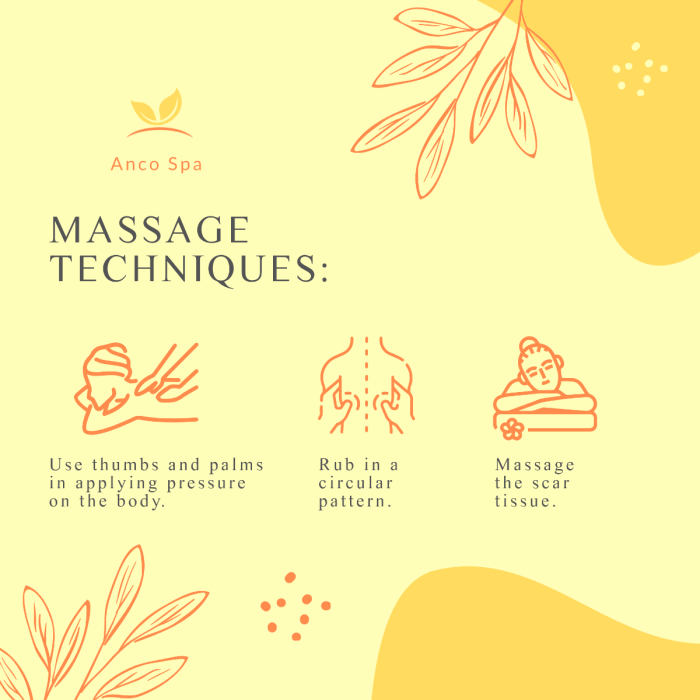
  • Neck and Shoulder Roll: Gently tilt your head to one side, using your hand to apply light pressure on the opposite side of your neck. Roll your neck in a circular motion, feeling the release of tension. Repeat on the other side.
  • Foam Rolling: Invest in a foam roller to work out those tight spots. Roll over your back, thighs, and calves while focusing on any tender areas you encounter.
  • Hand Squeeze: Using your thumb, apply pressure to the webbing between your thumb and index finger. This area, known as the “Hoku” point, can help relieve headaches and tension.
  • Foot Massage: Take a tennis ball and roll it under your foot for a few minutes. This simple technique can alleviate stress and improve circulation in your feet.

Integrating Massage into a Wellness Routine

Incorporating regular massage sessions into your wellness routine can transform your health and happiness. Here’s how to make it happen:

  • Schedule it: Treat massage like any important appointment. Block out time in your calendar for regular sessions—whether monthly, bi-weekly, or weekly based on your needs.
  • Pair with Exercise: Consider getting a massage after your workouts to help with muscle recovery and relaxation.
  • Combine with Other Self-Care Activities: Incorporate massage with activities like yoga or meditation for a well-rounded approach to health and wellness.
  • Communicate: When seeing a professional, be vocal about your specific issues so they can tailor the massage to meet your needs.

Regular massage therapy is not just a luxury; it’s a vital part of a proactive wellness routine for men seeking balance, strength, and mental clarity.

Health and Meditation Practices

Meditation isn’t just for monks in a mountain cave—it’s a powerful tool for men to enhance mental health, reduce stress, and boost overall well-being. Embracing meditation can transform the mind into a calm oasis amidst the chaos of everyday life. With its myriad benefits, it’s no wonder that more men are rolling out yoga mats instead of couch cushions. So, prepare to unlock the zen master within!The mental health benefits of meditation for men are profound.

Studies show that regular meditation practice can lead to reduced anxiety, improved focus, and even increased emotional resilience. For men, who often face societal pressures to “tough it out,” meditation offers a gentle yet effective way to connect with their emotions, leading to healthier relationships and improved self-awareness. Plus, it’s a fantastic excuse to take a break from the usual grind—think of it as a spa day for your mind!

Step-by-step Guide to Starting a Meditation Practice

Embarking on a meditation journey doesn’t require a PhD in mindfulness. Here’s a simple guide to get started:

1. Find Your Space

Look for a quiet spot where you won’t be interrupted. It could be a cozy corner of your home, your backyard, or even a park bench.

2. Set a Time

Choose a time that works best for you—morning, midday, or before bed. Consistency is key, so aim for the same time each day.

3. Start Small

Begin with just 5 minutes a day. As you become more comfortable, gradually increase your time to 10, 15, or even 20 minutes.

4. Get Comfortable

Sit or lie down in a position that feels good. You can sit cross-legged on a cushion, in a chair, or even lie down if that’s your jam.

5. Focus on Your Breath

Close your eyes and take a deep breath in through your nose, filling your lungs. Exhale slowly through your mouth. Repeat this and focus only on your breath.

6. Let Thoughts Float By

If your mind wanders (and it will!), gently bring your focus back to your breath. Think of your thoughts as clouds passing in the sky—acknowledge them, then let them drift away.

7. End with Gratitude

When your time is up, open your eyes slowly. Take a moment to appreciate the calmness you’ve created.

Different Types of Meditation Techniques

Meditation comes in various flavors, each with its unique twist, so there’s something for every palate. Here are some popular techniques men can explore:

  • Mindfulness Meditation: Focus on being present in the moment without judgment. It’s like watching a movie without rewinding or fast-forwarding—just enjoy the scenes as they unfold.
  • Guided Meditation: Follow along with a recorded meditation or a live instructor. Think of it as a meditation GPS leading you to your inner calm without the need for a map.
  • Loving-kindness Meditation (Metta): This technique encourages feelings of compassion towards yourself and others. It’s like sending out warm hugs from your heart—no rubber gloves required.
  • Transcendental Meditation: Involves silently repeating a specific mantra. This is the VIP lounge of meditation—exclusive and deeply relaxing, complete with a drink of tranquility.
  • Movement Meditation: Incorporates gentle movements, such as Tai Chi or walking meditation. It’s perfect for those who find sitting still harder than a squirrel in a cat factory.

Meditation is not just a practice; it’s a lifestyle choice that can lead to profound changes, both mentally and emotionally. So grab your comfy pants, find your zen, and let the healing begin!

Men’s Issues and Mental Health

Mental health is often the unsung hero of men’s health conversations, lurking in the shadows while physical ailments take center stage. Yet, men face a unique set of mental health challenges that can impact their lives and those around them. From societal expectations that encourage stoicism to the pressures of career success, the mental health landscape for men can be a minefield, with many walking it in silence.A plethora of mental health issues affect men, with conditions like depression, anxiety, and substance abuse frequently coming to the forefront.

The impact of these issues extends beyond the individual, affecting families, workplaces, and communities. Society often stigmatizes men expressing vulnerability, leading to a reluctance to seek help. As a result, many men may suffer in silence, which can exacerbate their conditions and lead to dire consequences, including increased risk of suicide.

Common Mental Health Issues Among Men

Understanding the prevalent mental health challenges faced by men is crucial in fostering compassion and awareness. Here are some of the most common issues:

  • Depression: Often masked by anger or irritability, depression in men can manifest unexpectedly. The prevalence of untreated depression can lead to serious life consequences.
  • Anxiety Disorders: From generalized anxiety to panic attacks, anxiety can significantly impact daily functioning and social interactions.
  • Substance Abuse: Many men turn to alcohol or drugs to cope with their mental health issues, often leading to a cycle of dependency.
  • Post-Traumatic Stress Disorder (PTSD): Common among veterans and those who have experienced traumatic events, PTSD can severely disrupt a man’s life.
  • Suicidal Ideation: Alarmingly, men are three times more likely than women to die by suicide, highlighting the critical need for awareness and prevention measures.

Resources and Support Systems for Men

Accessing support is vital for men dealing with mental health issues. Various resources cater specifically to men’s mental health needs. Here are some essential support systems:

  • Support Groups: Local and online support groups provide safe environments for men to share their experiences and feelings.
  • Therapy: Professional counseling from therapists experienced in men’s issues can offer tailored strategies and coping mechanisms.
  • Hotlines: Confidential helplines are available for immediate support, such as the National Suicide Prevention Lifeline.
  • Men’s Health Organizations: Organizations like the Men’s Health Network provide resources, advocacy, and information on mental health issues.
  • Workplace Programs: Many employers now offer Employee Assistance Programs (EAPs) that include mental health services.

Traditional Versus Modern Approaches to Men’s Mental Health Support

The landscape of mental health support has evolved dramatically, transitioning from traditional stigmas to more modern, inclusive strategies. Traditionally, men were often encouraged to “man up” and suppress their feelings, leading to pervasive issues with self-expression and mental health. Modern approaches emphasize emotional intelligence, mindfulness, and the importance of seeking help. Innovative strategies such as teletherapy offer convenience for men hesitant to attend in-person sessions, while apps focused on mental health provide engaging ways to learn and practice coping skills.

“Real men cry, and they ask for help—let’s normalize it!”

The shift from traditional to modern emphasizes the importance of creating an open dialogue around mental health, where vulnerability is seen as a strength rather than a weakness. By encouraging men to embrace their emotions and seek out resources, we pave the way for healthier, happier lives.

Mind, Body, Spirit Connection

The connection between the mind, body, and spirit is essential for achieving optimal health. Nurturing this trifecta not only enhances physical fitness but also boosts mental resilience and spiritual well-being. When these elements harmonize, men can tackle life’s challenges with a sense of purpose and vitality, like a superhero ready to leap into action—cape optional.Understanding the significance of this connection helps men cultivate a holistic approach to their well-being.

It’s not just about lifting weights or meditating on a mountaintop; it’s about integrating activities that promote overall health. A balanced approach recognizes that emotional, physical, and spiritual health are intertwined, leading to improved quality of life and longevity.

Practices for a Balanced Approach

To foster a well-rounded state of being, men can integrate various practices into their daily lives. The following activities can significantly enhance the mind-body-spirit connection:

  • Regular Exercise: Physical activity stimulates the release of endorphins, often referred to as the “feel-good” hormones. Whether it’s lifting weights or dancing like nobody’s watching, moving your body elevates your mood and reduces stress.
  • Meditation and Mindfulness: Taking a few moments each day to meditate can improve focus and reduce anxiety. Picture yourself as a serene monk, but instead of robes, you’re in your living room, sipping herbal tea and contemplating life’s mysteries—like why socks always disappear in the laundry.
  • Spiritual Practices: Engaging in practices that resonate with your spiritual beliefs—such as prayer, yoga, or nature walks—can provide a sense of connection and purpose. Think of it as tuning into a cosmic radio station, where the music of the universe helps you find your groove.
  • Healthy Nutrition: Fueling your body with nutritious foods enhances both mental clarity and physical energy. Consider preparing a colorful salad that looks as good as it tastes—like a kaleidoscope on a plate. Bonus points if you can convince your friends that kale is the new bacon.
  • Quality Sleep: Never underestimate the power of a good night’s sleep. It’s your body’s way of hitting the reset button. Aim for 7-9 hours of quality shut-eye, and wake up feeling like you’ve just been upgraded to the latest model of yourself.

Activities Enhancing the Mind-Body Connection

Engaging in specific activities tailored for men can further enhance the mind-body connection. These activities not only foster physical strength but also cultivate mental clarity and spiritual growth:

  • Martial Arts: Practicing martial arts combines physical discipline with mental focus. It’s like a chess game played with your body, where every move counts, and getting kicked in the shins has a purpose.
  • Team Sports: Joining a local sports team fosters camaraderie while keeping you active. Whether it’s soccer, basketball, or ultimate frisbee, the shared experience of competition builds bonds and releases stress.
  • Gardening: Tending to plants provides physical activity and a calming presence in nature. It’s a grounding experience that teaches patience, as you wait for your tomatoes to ripen—kind of like waiting for your beer to chill, but with more dirt involved.
  • Creative Outlets: Engaging in hobbies like painting, writing, or playing an instrument can enhance emotional expression. Think of it as channeling your inner Picasso or Beethoven, complete with paint splatters and questionable melodies.

“A healthy mind in a healthy body is the foundation for a well-rounded life.”

Some wise person, probably someone who exercises regularly while munching on kale.

Mood Disorders in Men

Mood disorders are often the invisible heavies that weigh down our mental health, and guess what? Men are not exempt from this emotional rollercoaster. In fact, studies suggest that men are just as likely as women to experience mood disorders, yet they often approach it with the bravado of a gladiator going into battle—unwilling to show signs of weakness. This can lead to a plethora of issues, from irritability and anxiety to depression and even physical health concerns.

Imagine trying to lift weights when your brain feels like a cloud of confusion—definitely not a good workout!The prevalence of mood disorders among men ranges from mild mood swings to full-blown depressive episodes. According to the National Institute of Mental Health, millions of men in the U.S. battle these issues, yet many prefer to keep it under wraps, thinking it’s more manly to “just tough it out.” But here’s the kicker: ignoring mood disorders doesn’t make them disappear; it just gives them a chance to throw a surprise party in your head, complete with confetti of anxiety and sadness.

Managing Mood Swings and Improving Emotional Resilience

Managing mood swings is crucial for maintaining a healthy balance in life. Think of your emotions as a thermostat that can be adjusted—sometimes you just need to lower or raise the heat! Here are some strategies that can help men navigate their emotional terrain with finesse:

  • Exercise Regularly: Physical activity is like nature’s antidepressant. Whether it’s pumping iron or unleashing your inner dancer, moving your body releases endorphins that can elevate your mood faster than you can say “sweaty socks.”
  • Practice Mindfulness: Engaging in mindfulness practices such as meditation or breathing exercises can help you stay grounded. This can turn those mood swings into smooth sailings rather than turbulent storms.
  • Establish a Routine: Having a structured daily routine can provide stability—a sort of emotional GPS if you will. It helps in reducing uncertainty that might lead to mood fluctuations.
  • Connect with Others: Social connections are essential. Grab a buddy for a walk or join a team; talking things out can sometimes be the best therapy.

“Your mental health is a priority. Your happiness is an essential. Your self-care is a necessity.”

The importance of seeking professional help for mood-related issues cannot be overstated. Many men think they can handle it all—like a one-man band trying to play five instruments at once. But guess what? Sometimes you need a conductor! Mental health professionals can provide guidance and strategies tailored to individual needs. Therapy isn’t just a ‘talking shop’; it’s a toolbox filled with resources for building emotional resilience.In essence, men deserve to let their guard down and seek help when needed.

Just like you’d go to the doctor for a physical ailment, don’t shy away from addressing mental health issues. After all, it’s not about the number of battles you fight alone, but about the strength you find in asking for help. When it comes to mood disorders, remember that vulnerability is not weakness; it’s the road to strength.

Nursing Care Considerations for Men

Men’s health is often wrapped in a cocoon of bravado, leading to unique nursing care considerations that vary across different age groups. Understanding the nuances of male health needs can help healthcare providers deliver targeted care that not only addresses medical issues but also breaks down the proverbial walls that men sometimes erect around their health discussions. So, let’s lace up our sneakers and delve into the world of male nursing care, where comfort meets compassion in a very masculine way.

Unique Nursing Care Needs by Age Group

Men experience various health challenges as they age, necessitating tailored nursing care strategies at different life stages. Infants and children might require special attention to growth milestones and early detection of developmental issues, whereas teenagers face unique challenges related to mental health, body image, and risk-taking behaviors. Young men in their 20s and 30s often think they are invincible, but this is the prime time for establishing healthy habits and screening for conditions that can sneak up later in life.

As men enter their 40s and 50s, conditions such as hypertension, diabetes, and prostate issues might arise. In their golden years, men often deal with multiple chronic conditions and may need assistance navigating complex medication regimens and maintaining a high quality of life. Thus, understanding these shifts allows nursing professionals to provide age-appropriate care that resonates with the male psyche.

Essential Health Screenings and Regular Check-Ups

To ensure optimal health, men should be proactive about regular screenings and check-ups that cater to their unique health needs. Below is a list of essential health screenings that men should consider at various ages to catch potential issues before they become full-blown crises.

  • Blood Pressure Checks: Starting at age 18, at least every two years.
  • Cholesterol Screening: Every five years beginning at age 35, or earlier if at risk.
  • Diabetes Testing: Starting at age 45, or earlier for those with risk factors.
  • Prostate Exam: Discuss with a healthcare provider starting at age 50, or age 45 for high-risk men.
  • Testicular Self-Exams: Monthly for young men to identify abnormalities.
  • Colorectal Cancer Screening: Beginning at age 45, with various testing options available.

These screenings are crucial for staying ahead of potential health issues. Staying on top of your health can feel like a game of whack-a-mole; the faster you hit the issues, the fewer moles pop up later!

Effective Communication Techniques in Nursing Care

When it comes to discussing health, men may not always be the most forthcoming. Therefore, adopting effective communication techniques can bridge the gap between healthcare providers and male patients. Using straightforward language, avoiding medical jargon, and maintaining a non-judgmental tone can create an atmosphere where men feel comfortable sharing their concerns.Active listening is particularly effective; this means not just hearing but truly understanding what the patient is saying.

Providing reassurance and emphasizing the importance of health can also motivate men to engage more fully in their care. For instance, humor can be a powerful tool in healthcare interactions. A well-timed joke about the absurdity of needing that colonoscopy can lighten the mood and make the necessary conversations easier. Remember, a gentle nudge paired with a chuckle can turn a grumpy patient into a willing participant in their health journey.

“Preventative care is like insurance for your body; the earlier you start, the less you’ll worry later.”

Summary

Men's health tips

In summary, navigating through the maze of men’s health tips is not only enlightening but also downright necessary! Remember, it’s all about balance – mind, body, spirit, and maybe a sprinkle of humor to keep things lively. So, embrace these tips, make them part of your routine, and strut into a healthier, happier life like the champion you are!

Answers to Common Questions

What are some quick tips for staying fit?

Stay active with regular exercise, eat plenty of fruits and veggies, and don’t skip on hydration – water is your best friend!

How often should men get health check-ups?

It’s recommended to get annual check-ups, but if you’ve got specific health concerns, don’t hesitate to schedule them more often.

What can men do to improve mental health?

Engage in regular physical activity, practice mindfulness, and don’t shy away from seeking professional support when needed.

Are there specific diets for men’s health?

Yes! A balanced diet rich in lean proteins, whole grains, healthy fats, fruits, and veggies is ideal for maintaining health.

What role does sleep play in men’s health?

Sleep is crucial for recovery, mood stability, and overall health – aim for 7-9 hours of quality sleep each night!

Spiritual meditation Unlocking Inner Harmony and Health

Spiritual meditation

Welcome to the magical realm of Spiritual meditation, where we trade stress for serenity and chaos for calm—like swapping a noisy toddler for a fluffy cat! In this journey, we’ll explore various spiritual meditation techniques that not only help you find your zen but also sprinkle your life with a dash of joy and tranquility.

You’ll learn how breath control plays a pivotal role in enhancing your spiritual practice and discover guided exercises that can transform even the most novice meditator into a spiritual superstar. So, grab your comfy cushion and let’s dive into the blissful benefits of connecting the mind, body, and spirit!

Spiritual Meditation Practices

Spiritual meditation is like a magical ride on a unicorn through the clouds of consciousness, where mindfulness meets enlightenment, and your spirit gets a fabulous makeover! It’s not just about sitting cross-legged and chanting “ohm” like a pro; it’s a journey of self-discovery and inner peace, packed with various techniques that suit every unique soul.Exploring spiritual meditation practices opens up a treasure chest of benefits, from stress relief to heightened awareness.

Integrating breath control into these practices can turn your meditation from a mere stroll into a cosmic dance. It’s like giving your spirit a turbo boost, making the experience not just relaxing but exhilarating!

Various Spiritual Meditation Techniques

Spiritual meditation comes in more flavors than your local ice cream shop! Here are some techniques that can sprinkle your meditation practice with extra bliss:

  • Mindfulness Meditation: This technique encourages being fully present in the moment. It’s like taking a mental vacation where your only job is to savor your current experience. Benefits include reduced anxiety and improved emotional health.
  • Loving-Kindness Meditation: Imagine showering yourself and others with warm, fuzzy feelings. This practice fosters compassion and connection, helping to soften the heart and make you feel all warm and toasty inside.
  • Transcendental Meditation: This is like a fast pass to the deep realm of tranquility. Practitioners quietly repeat a mantra to dive into a state of profound peace. It’s been shown to reduce stress and enhance overall well-being.
  • Guided Visualization: Think of this as a fancy mental roadmap. Guided meditations often lead you through relaxing scenarios to help you visualize your goals and dreams, paving the way for manifestation.

Breath control plays a pivotal role in elevating spiritual meditation. It serves as the bridge connecting your body and spirit, enhancing the depth of your practice. Controlling your breath can calm the mind, slow down racing thoughts, and create a serene inner landscape.

Guided Spiritual Meditation Exercises for Beginners

Starting your spiritual meditation journey can feel daunting, but guided exercises are like having a friendly GPS in the vast realm of inner peace. Here are a few beginner-friendly exercises to kickstart your adventure:

  • Basic Breath Awareness: Sit comfortably, close your eyes, and focus on your breath. Notice the inhale and exhale as if you’re tuning in to your own personal radio station. This practice cultivates awareness and calms the mind.
  • Body Scan Meditation: This exercise takes you on an inward journey through your body. Start from your toes and slowly move up to the crown of your head, paying attention to any sensations, tension, or joy. It’s like giving your body a loving check-in.
  • Guided Imagery: Picture yourself on a serene beach or a tranquil forest. Use apps or recordings that lead you through these visualizations, making the experience richer and more engaging, like a mini-vacation for your mind!
  • Chakra Meditation: For the adventurous spirits, focusing on the seven chakras can help balance your energy. Visualize each chakra as a colorful light, bringing harmony and healing to your body and soul.

Health Benefits of Spiritual Meditation

Spiritual meditation

Spiritual meditation is like a cozy blanket for the mind and soul; it wraps you up in warmth and comfort while you explore the depths of your inner self. This practice not only connects you with your spiritual side but also works wonders for your mental and physical health. Here’s how sinking into your spiritual cushions can positively impact your life.

Mental Health and Mood Disorders

Engaging in spiritual meditation has been shown to promote emotional well-being and can be particularly effective in managing mood disorders. By fostering a sense of inner peace and connection, it acts like a mental garden where positivity can bloom and thrive. The practice encourages mindfulness, a state that can help alleviate symptoms of anxiety and depression.

  • Research indicates that spiritual meditation reduces levels of cortisol, the stress hormone, helping to diminish anxiety.

  • Regular practice enhances self-awareness, allowing individuals to recognize their thoughts and feelings without judgment, which is crucial for emotional regulation.
  • Spiritual meditation promotes a sense of purpose and belonging, significantly reducing feelings of isolation and loneliness often associated with mood disorders.

Hypertension Management

The relationship between spiritual meditation and hypertension is akin to a harmonious duet: one complements the other. Spiritual meditation can lead to lower blood pressure levels, making it a natural ally for those grappling with hypertension.

  • Studies have shown that engaging in meditation can lead to significant reductions in systolic and diastolic blood pressure.
  • It encourages relaxation and deep breathing, which help dilate blood vessels, allowing blood to flow more freely.
  • Mindfulness gained through spiritual meditation can lead to healthier lifestyle choices, such as better diet and exercise, further supporting heart health.

Overall Health and Wellness

Spiritual meditation serves as a cornerstone for overall health and wellness, functioning like a multi-vitamin for the soul. It promotes holistic health by addressing both mental and physical aspects of well-being.

  • Regular practice boosts the immune system, making the body more resilient against illnesses.
  • It fosters better sleep patterns, ensuring restorative rest that is vital for physical health.
  • Spiritual meditation encourages a balanced lifestyle, often leading practitioners to adopt healthier eating and exercise habits.

Integrating Spiritual Meditation into Home Health Care

In the hustle and bustle of daily life, especially in a healthcare setting, finding a moment of peace can feel as elusive as a cat on a hot tin roof. Enter spiritual meditation, the gentle giant of wellness practices. By weaving spiritual meditation into home health routines, we can cultivate an atmosphere of healing and tranquility that benefits both caregivers and patients alike.

Let’s dive into the how-tos and the why-fors of this enlightening practice with the enthusiasm of a kid in a candy store!

Step-by-Step Guide to Incorporating Spiritual Meditation

Implementing spiritual meditation into daily health care routines can be as effortless as slipping into your favorite pair of slippers. Here’s a practical guide to help you get started:

1. Set the Scene

Create a calming environment that sings serenity. Think soft lighting, aromatic candles, and maybe even some gentle instrumental music. This is where the magic happens!

2. Schedule It In

Just like you would schedule a doctor’s appointment, set a specific time each day for meditation. Consistency is key—like a good cup of coffee in the morning!

3. Begin with Breath

Start each session with deep breathing exercises. Inhale positivity, exhale negativity, and let those worries float away like leaves in the wind.

4. Focus the Mind

Choose a focal point—be it a mantra, a visualization, or a simple intention for the day. This is your meditation GPS, guiding you towards inner peace!

5. Embrace Duration

Begin with short sessions (5-10 minutes) and gradually increase the time as you become comfortable. Even a minute of quiet can feel like a mini-vacation for your mind!

6. Reflect and Journal

After each session, jot down feelings or insights. Consider this your meditation diary, a place where your thoughts can dance freely!

Program Design for Health and Nursing Professionals

Creating a program for health and nursing professionals to utilize spiritual meditation with patients requires both creativity and compassion. Here’s a tailored Artikel that could serve as a springboard:

Training Workshop

Educate healthcare providers on the principles and techniques of spiritual meditation. Include hands-on practice, and maybe a few laughs—laughter is the best medicine after all!

Patient Assessment Tools

Develop tools to assess patients’ openness to meditation. This could be a simple questionnaire or an engaging conversation, ensuring that everyone is on the same page.

Individualized Meditation Plans

Craft personalized meditation plans based on each patient’s needs and preferences. This could involve varying techniques, such as guided imagery or loving-kindness meditation, to suit different personalities.

Group Sessions

Organize group meditation sessions for patients. Picture a cozy gathering, where participants share experiences and support one another—kind of like a book club, but with less reading and more zen!

Follow-Up and Feedback

Establish a feedback system to assess the impact of spiritual meditation on patients’ well-being. After all, results matter!

Mind-Body-Spirit Balance and Holistic Health Approaches

The connection between spiritual meditation, mind-body-spirit balance, and holistic health approaches is as harmonious as a well-composed symphony! Here’s how they interplay:

Mind-Body Connection

Spiritual meditation promotes mindfulness, which can enhance physical health by reducing stress and anxiety. Less stress means a happier body—like having a cheerleader in your chest!

Spirit Nourishment

Engaging in spiritual practices can help individuals feel more grounded and connected to something larger than themselves. This sense of belonging can ignite motivation and resilience, just like a well-timed pep talk.

Holistic Integration

Incorporating spiritual meditation into health care encourages a holistic view of health, addressing emotional, physical, and spiritual dimensions. This approach can lead to comprehensive well-being, as if you were polishing a diamond—every facet shines brighter!

By integrating spiritual meditation into home health care, we unlock a treasure trove of healing potential, making every moment a step towards health, harmony, and happiness. Embrace the journey, and let the peaceful vibes flow!

Last Recap

Spiritual meditation

As we wrap up this enlightening exploration of Spiritual meditation, remember that it’s not just about sitting quietly—it’s about nurturing your spirit, improving mental health, and finding that sweet spot of mind-body balance. So, whether you’re managing stress, tackling hypertension, or just looking for a little inner peace, spiritual meditation is your golden ticket to a healthier, happier you!

Quick FAQs

What is spiritual meditation?

Spiritual meditation is a practice that blends traditional meditation techniques with a focus on nurturing your spiritual self, often leading to deeper self-awareness and connection.

Can anyone practice spiritual meditation?

Absolutely! Spiritual meditation is accessible to everyone, regardless of experience level—no guru status required!

How long should I meditate for?

Starting with just 5-10 minutes a day is great! Gradually increase the time as you feel more comfortable and engaged in your practice.

Do I need special equipment for spiritual meditation?

No fancy gear required! A quiet space and a comfy seat are all you need to start your spiritual journey.

How can I integrate spiritual meditation into my daily routine?

Set aside a specific time each day, find a peaceful spot, and make it a non-negotiable part of your self-care routine—like brushing your teeth but way more peaceful!

Mindfulness Meditation Your Key to Calm Chaos

Mindfulness meditation

Welcome to the delightful realm of Mindfulness meditation, where we transform chaotic thoughts into serene streams of zen! Imagine your mind as a wild monkey on a sugar rush; mindfulness is that soothing banana that helps tame the frenzy. With roots deep in ancient traditions, this practice offers not just tranquility but a treasure trove of benefits for the body and soul.

Ready to dive into this refreshing pool of calm? Let’s uncover how mindfulness meditation can be your secret weapon against stress, confusion, and the occasional existential crisis!

As we shuffle through the basics, we’ll explore its historical significance, the perks of consistent practice, and a foolproof guide for beginners. You’ll see how mindfulness can be a game-changer for your health, mood, and even your home health care routine. Spoiler alert: it involves a lot of deep breaths and maybe a little giggle or two along the way!

Mindfulness Meditation Fundamentals

Mindfulness meditation is not just a fancy buzzword thrown around by yoga enthusiasts; it’s a profound practice with deep historical roots. Originating over 2,500 years ago in the Buddhist tradition, mindfulness meditation invites practitioners to cultivate awareness and presence in each moment. Imagine being like that wise sage sitting under a tree, except you can enjoy your coffee while doing it!The practice has gained widespread recognition in modern psychology, thanks to its plethora of benefits.

Regularly engaging in mindfulness meditation can lead to lower stress levels, improved focus, and enhanced emotional regulation. Who wouldn’t want to deal with life’s curveballs with the calm of a Zen master?

Concept of Mindfulness Meditation

Mindfulness meditation encourages individuals to observe their thoughts, feelings, and sensations without judgment. This practice allows individuals to develop a non-reactive awareness of their experiences. At its core, the essence of mindfulness can be summarized as:

“Being present in the moment, without judgment.”

Historically, it draws from ancient spiritual traditions, particularly Buddhism, but has evolved into a secular practice embraced by people of all walks of life. The central idea is to cultivate a mindset that acknowledges whatever arises in the mind, be it joyous or chaotic.

Benefits of Practicing Mindfulness Meditation

Practicing mindfulness meditation regularly is akin to giving your brain a spa day. Here’s how it can transform the mundane into the extraordinary:

  • Stress Reduction: One of the most celebrated benefits, mindfulness meditation can lower cortisol levels, helping you chill like a sloth on a hammock.
  • Enhanced Focus: Regular practice sharpens concentration, making you more productive than a squirrel on espresso.
  • Improved Emotional Health: It can lead to decreased symptoms of depression and anxiety, creating a brighter outlook on life.
  • Better Relationships: Mindfulness fosters empathy and patience, making you more pleasant company (even on Mondays).
  • Increased Self-Awareness: It helps you get to know yourself better, including those quirky things that make you, well, you!

Step-by-Step Guide for Beginners

Starting your mindfulness meditation journey is as easy as pie—if pie were made of serenity and inner peace. Here’s a simple guide to help you get rolling:

1. Find a Quiet Space

Look for a cozy spot where distractions are minimal. This can be your living room, a garden, or even the corner of a coffee shop (don’t worry, nobody will judge you for being the “meditative” one).

2. Get Comfortable

Sit or lie down in a position that feels good. You don’t need to sit cross-legged like a pretzel unless you enjoy that sort of thing.

3. Set a Timer

Start with just 5-10 minutes. It’s like a quick espresso shot for your brain, just enough to kickstart your day.

4. Focus on Your Breath

Notice the sensation of each inhale and exhale. Picture your breath as a gentle wave washing over you—ah, serenity!

5. Observe Your Thoughts

As thoughts arise, acknowledge them without judgment and gently guide your focus back to your breath. Think of it as watching clouds float by; they come and go, but you remain grounded.

6. Close with Gratitude

Once your timer goes off, take a moment to appreciate the time you’ve spent nurturing your mind. Maybe even give yourself a mental high-five!With these fundamentals, you’re well on your way to becoming a mindfulness meditation pro while adding a sprinkle of humor to your practice. Happy meditating!

Mindfulness Meditation and Health

Mindfulness meditation

Mindfulness meditation isn’t just about sitting quietly and pretending to be a statue; it’s a powerful practice that can lead to significant health improvements. Research indicates that this mind-body connection can transform not only how we think but also how our bodies function. So let’s dive into how mindfulness can be the superhero of our health, complete with a cape (and maybe a yoga mat).

Impact on Overall Health Improvements

Engaging in mindfulness meditation can lead to a plethora of health benefits that stretch beyond the mind into the realm of physiological well-being. This practice helps to reduce stress levels, which, let’s face it, is a common affliction in our modern, caffeinated lives. By fostering a state of relaxation, mindfulness meditation can lower cortisol levels, the infamous stress hormone that is always lurking around like an unwanted party guest.Research highlights some impressive correlations between mindfulness practices and overall health improvements:

  • Lowered blood pressure, contributing to enhanced cardiovascular health.
  • Improved sleep patterns, turning restless nights into peaceful slumbers.
  • Stronger immune response, making you feel like a human fortress against colds and flu.
  • Reduced instances of chronic pain, allowing more time for enjoying life (and less time for moaning).

“Mindfulness is the art of observing without judgment.”

Mindfulness Meditation and Hypertension Management

Hypertension, the silent but deadly villain in the health saga, can be managed effectively with mindfulness meditation. Studies have shown that by incorporating mindfulness techniques into our daily routines, we can achieve remarkable control over high blood pressure. For instance, a study published in the Journal of the American Medical Association found that patients practicing mindfulness meditation experienced significant reductions in their systolic blood pressure.

This isn’t just a small drop that you can ignore; we’re talking about numbers that could make your doctor do a happy dance. Some notable findings include:

  • Individuals who consistently practice mindfulness have recorded an average drop of 4-5 mmHg in systolic pressure.
  • Regular mindfulness practitioners reported lower anxiety levels, which often accompany high blood pressure.
  • Mindfulness techniques promote healthier lifestyle choices, such as improved diet and increased physical activity.

Influence on Mood Disorders and Emotional Well-Being

Mood disorders can feel like a storm cloud following you around, but mindfulness meditation has shown to be a silver lining. Research suggests that mindfulness can significantly improve symptoms of anxiety, depression, and even PTSD. The key lies in mindfulness’s ability to help individuals become more aware of their thoughts and feelings, transforming them from overwhelming tidal waves into manageable ripples.

A study by the National Institutes of Health reported that participants engaging in mindfulness-based therapy saw a remarkable reduction in depressive symptoms. The benefits of mindfulness meditation on emotional well-being can be summarized as follows:

  • Increased self-awareness, leading to better emotional regulation.
  • Heightened resilience to stressors, giving individuals the strength to bounce back from setbacks.
  • Enhanced relationships due to improved empathy and active listening skills.
  • Promotion of a more positive outlook, transforming pessimistic perspectives into hopeful horizons.

In conclusion, mindfulness meditation serves as a multifaceted tool for enhancing health, managing hypertension, and improving emotional stability. It’s not just about finding your zen; it’s also about feeling fantastic—like a rock star at a health concert!

Integrating Mindfulness in Home Health Care

In the whirlwind of daily life, home health care can often feel like a high-speed chase featuring a quirky cast of characters, including nurses, patients, and a mountain of paperwork. Introducing mindfulness meditation into this chaotic mix can create a serene oasis, allowing all involved to savor the moment—even amidst the hustle and bustle of health care routines. Picture a world where caregivers and clients alike float through their tasks with mild smiles and calm minds, rather than teetering on the edge of a caffeine-fueled frenzy.Integrating mindfulness in home health care is not just a fanciful dream; it can be a practical reality.

By designing a program that weaves mindfulness practices into daily routines, healthcare professionals can enhance the well-being of their clients while also providing a much-needed breather for themselves. This approach acknowledges the emotional and psychological aspects of health care, ensuring that both caregiver and client can find moments of peace amidst their duties.

Designing a Mindfulness Program for Home Health Care

The cornerstone of a successful mindfulness program lies in its accessibility and integration into the daily lives of both healthcare professionals and clients. Here’s how such a program can be structured:

Daily Mindful Moments

Encourage healthcare professionals to initiate 5-minute mindfulness breaks during home visits. This could involve simple breathing exercises or guided imagery practices that can be done while sitting in a chair or even lying in bed.

Mindful Communication Workshops

Host workshops where healthcare providers learn to incorporate mindfulness into their communication with clients. Techniques for active listening and being fully present can enhance rapport and ensure that clients feel valued and heard.

Mindfulness Resources

Create a resource bank that includes apps, websites, and audio recordings for clients and caregivers to explore mindfulness techniques on their own time. This can be a treasure trove of guided meditations and mindfulness exercises tailored for different needs.

Group Activities

Organize group sessions for clients, focusing on mindfulness activities such as gentle yoga, Tai Chi, or mindful walking. This fosters community and helps clients share their experiences and insights.

Teaching Mindfulness Techniques to Clients

Healthcare professionals play a vital role in imparting mindfulness techniques to clients, helping them to cultivate their own practices. Here are effective methods for teaching these techniques:

Model Mindfulness

Healthcare providers should exemplify mindfulness in their own practice. By demonstrating calmness and presence during interactions, they set the tone for clients to follow.

Simple Breathing Techniques

Teach clients how to engage in mindful breathing. For instance, instruct them to take a deep breath in through the nose, hold for a couple of seconds, and exhale slowly through the mouth. This can be done while washing hands or during medication administration.

Mindful Observation

Encourage clients to practice mindful observation during activities, such as eating or taking a shower. They can focus on the sensations—colors, textures, and fragrances—enhancing their appreciation of everyday experiences.

Gratitude Journaling

Introduce journaling as a mindfulness exercise. Clients can jot down three things they are grateful for each day, which can foster a more positive mindset and promote emotional well-being.

Examples of Mindfulness Exercises During Health and Nursing Activities

Mindfulness exercises can seamlessly fit into everyday health care activities, transforming mundane tasks into moments of reflection and calm. Here are a few examples:

Mindful Medication Administration

While preparing medications, encourage nurses to take a moment to focus on their breath. This practice not only calms the mind but also enhances attention to detail—making sure the right medication is given at the right time.

Mindful Grooming

During personal care routines, such as bathing or brushing hair, healthcare professionals can guide clients to focus on the sensations of water, soap, or the brush moving through hair. This encourages a mindful connection with their body.

Mindfulness During Therapy Sessions

In physical or occupational therapy, therapists can incorporate mindfulness by having clients focus on their movements and breath, ensuring they are present and engaged in their rehabilitation.

Nature Sounds and Guided Imagery

While changing bandages or assisting in mobility, soft background sounds of nature or short guided imagery scripts can be employed to create a tranquil atmosphere, enhancing relaxation and comfort for the client.

“Mindfulness is not about eliminating thoughts, but learning to observe them without attachment.”

By incorporating mindfulness into home health care, we create not just a more peaceful environment but also a more effective care experience, supporting the well-being of both clients and healthcare professionals alike.

Wrap-Up

Mindfulness meditation

In conclusion, mastering Mindfulness meditation isn’t just about sitting cross-legged and chanting mantras; it’s about embracing the art of being present in a world that often feels like a roller coaster ride. Whether you’re looking to improve your health, find emotional balance, or sprinkle some tranquility into your home care routines, mindfulness serves as your trusty guide. So, take a deep breath, and remember: the journey to inner peace is just a mindful moment away!

FAQs

What is mindfulness meditation?

It’s a practice that focuses on being fully present, aware of your thoughts and feelings without judgment.

How long should I meditate for?

Start with just 5-10 minutes a day and gradually increase as you feel comfortable!

Do I need special equipment for mindfulness meditation?

Nope! Just find a quiet space, a comfy seat, and your wonderful self.

Can mindfulness meditation help with anxiety?

Absolutely! It can help reduce anxiety by promoting calm and clarity in your thoughts.

Is mindfulness meditation suitable for everyone?

Yes, it’s for anyone willing to give it a try—no experience needed!

Over-the-counter medicine a humorous health companion

Over-the-counter medicine

Over-the-counter medicine is like that friend who always shows up uninvited but somehow manages to fix your hangover. From pesky headaches to the common cold, these little pill-popping heroes are readily available to save the day without the need for a doctor’s note. They come in various flavors and functions, making them the perfect sidekick in the quest for health and wellness.

But what exactly qualifies as over-the-counter medicine? These medications are classified as safe enough to be sold without a prescription, offering relief for a myriad of minor ailments. In addition to their general uses, regulations ensure that these remedies meet safety standards, so you’re not just throwing random herbs at your problems. They are a staple in home healthcare, providing caregivers and patients alike with accessible treatment options.

Over-the-Counter Medicine Overview

Over-the-counter (OTC) medicine is a delightful concoction of health-boosting substances that you can snag without a prescription, often found nestled between the candy bars and the questionable energy drinks in your local pharmacy. These medications are like the superheroes of the pharmacy world, ready to swoop in and alleviate your discomfort without the need for a doctor’s note or a cape.

OTC medicines are classified into various categories based on their usage and active ingredients. They are primarily designed for self-care, and they can be divided into two major classes:

1. Safety

Medications that are safe for use by the general public without a prescription.

2. Effectiveness

Products that have been proven effective for their intended use and can be sold without a prescription. These classifications help consumers navigate the world of self-medication with confidence, ensuring that they can tackle their ailments without the hassle of waiting rooms and medical jargon.

Common Types of Over-the-Counter Medications

Understanding the various types of OTC medications can transform you into a savvy shopper at the pharmacy. Here’s a rundown of the most commonly encountered OTC medications and their uses:

  • Pain Relievers: Medications like ibuprofen and acetaminophen are your go-to allies for headaches, muscle aches, and the occasional existential crisis.
  • Cold and Allergy Medications: These include antihistamines and decongestants, perfect for combatting the sniffles and sneezes during allergy season or whenever you encounter a particularly aggressive dust bunny.
  • Digestive Aids: Products containing famotidine or simethicone can provide sweet relief from heartburn, indigestion, and flatulence, letting you enjoy your burrito without the aftermath of regret.
  • Topical Treatments: Creams and ointments for skin irritations, such as hydrocortisone or antifungal creams, are essential for dealing with the occasional rash or stubborn athlete’s foot.
  • Vitamins and Supplements: While not technically medications, these are often found on the same aisle and can support your quest for optimal health, whether you’re battling scurvy or just trying to feel less tired.

The regulations surrounding the sale and distribution of OTC medicines are crucial for maintaining safety and effectiveness. In many countries, these products must meet rigorous standards set by regulatory bodies like the FDA (Food and Drug Administration) in the United States. These regulations ensure that OTC medications are both safe for public use and effective for their intended purpose. Products must undergo testing for safety and efficacy before being granted the coveted OTC status, and labeling must provide clear instructions on how to use them safely.

This is aimed at preventing misuse, which could lead to unfortunate side effects or, in some cases, unintended bathroom adventures.

“OTC medications empower consumers, giving them the ability to handle minor health issues with confidence.”

Home Health Care and Over-the-Counter Medicine

In the world of home health care, over-the-counter (OTC) medicine acts as a trusty sidekick—like Robin to Batman, or that last slice of pizza when you’re famished. It’s always there when you need a little relief without the drama of a doctor’s visit. However, just like any superhero duo, it requires careful management and understanding to ensure that all goes smoothly in the home care setting.Navigating the aisle of OTC medications can feel like trying to find a needle in a haystack, but the following list includes commonly used medications that can help ease various ailments right at home.

Each of these medicines has its own special powers, ready to save the day!

Common Over-the-Counter Medications in Home Health Care

Knowing which OTC meds to keep in your home health care toolkit can make all the difference between a day spent in bed and a day spent conquering the world. Here’s a list of the MVPs (Most Valuable Pills) you might want to have on hand:

  • Acetaminophen
    -A go-to for pain relief and fever reduction, it’s like a warm hug for your head or sore muscles.
  • Ibuprofen
    -The multi-tasking anti-inflammatory that tackles pain while also bringing down fevers. It’s the Swiss Army knife of OTC meds!
  • Antihistamines (like Diphenhydramine)
    -Perfect for those allergy flare-ups, these are your trusty sidekicks when pollen strikes back.
  • Cold and Flu Medications
    -From cough syrups to decongestants, these can help keep the sniffles at bay, allowing you to binge-watch your favorite shows in peace.
  • Laxatives
    -Sometimes the body needs a little nudge. Think of these as your internal motivational speakers: “You can do it!”
  • Topical Creams (like Hydrocortisone)
    -For skin irritations and rashes, these creams are here to soothe and calm your skin’s mini tantrums.

Safe Administration of Over-the-Counter Medicines

Administering OTC medications at home can be a breeze if you follow some straightforward strategies. Just because they are available without a prescription doesn’t mean they are immune to mishaps.To ensure medications work their magic safely, consider these key strategies:

  • Read Labels: Always read the instructions provided on the packaging. Dosage recommendations are like the GPS for your journey through recovery—don’t stray off course!
  • Keep a Medication Log: Documenting each medication taken can prevent accidental double-dosing. Think of it as your very own medication diary—a place for all your pill-related thoughts.
  • Consult Healthcare Providers: If unsure about combining medications or if symptoms persist, don’t hesitate to contact a healthcare professional. They have the knowledge and expertise to guide you, like a wise owl in a forest of confusion.
  • Storage Matters: Keep medications out of reach of children and pets, preferably in a cool, dry place. They don’t need to discover their inner chemist, after all!

Monitoring Patient Reactions to Over-the-Counter Treatments

Caregivers play a pivotal role in ensuring that patients respond positively to OTC treatments. Monitoring reactions is essential—consider yourself the vigilant guardian of health, watching for any signs of discomfort or adverse effects.Here are some guidelines for caregivers to keep a keen eye on:

  • Observe Side Effects: Familiarize yourself with potential side effects of the medications being given. Watch for unusual symptoms; it’s like being a detective in a health mystery!
  • Regular Communication: Encourage open conversations with patients about how they feel after taking their medications. It’s like having a feedback loop for your health plans!
  • Check Vital Signs: Keep track of temperature, heart rate, and other vital signs to ensure all is well. Consider it your “health status update” akin to a social media check-in, but far more important.
  • Be Aware of Allergies: Always ask about any known allergies before administering OTC medications. A little detective work here can prevent a big health crisis!

Health and Wellness Connections

Over-the-counter medicine

Over-the-counter medicines are like the Swiss Army knives of the health world—handy, versatile, and sometimes a little bit confusing. They play a significant role in managing various health conditions, and surprisingly, they also have a cozy relationship with wellness practices. Let’s explore how these little helpers can be your allies in hypertension management, mood boosting, and even complementing your zen moments.

Over-the-Counter Medicines and Hypertension Management

High blood pressure, often dubbed the silent killer, is a condition that can sneak up on you like that one friend who shows up uninvited but brings snacks. Over-the-counter medications can assist in managing hypertension symptoms, often working in tandem with lifestyle changes. For instance, many non-prescription products—especially NSAIDs (non-steroidal anti-inflammatory drugs)—should be taken with caution as they can elevate blood pressure.

However, certain products like potassium supplements can help maintain a healthy balance, supporting heart health without the need for a prescription. Moreover, herbal remedies such as garlic supplements and omega-3 fish oil are also available over the counter. Research indicates that these can play a role in reducing blood pressure levels, creating a natural approach to managing hypertension. Just remember, a casual chat with a healthcare provider is a wise move before embarking on any OTC adventure for hypertension.

Over-the-Counter Products in Mental Health and Mood Disorders

Feeling like you’re in a funk? Over-the-counter products have your back—well, sort of! While they won’t replace a therapist (sorry, folks), some OTC options can aid in managing mild mood disorders and provide a boost when you need it most. For instance, the calming effects of products containing St. John’s Wort have been widely touted for mild depression, while melatonin supplements can help regulate sleep patterns, which is crucial for mental health.Moreover, various herbal teas that contain chamomile and lavender are readily available and can serve as soothing drinks to lift your spirits.

It’s like giving your mood a warm hug, one cup at a time. However, it’s essential to be aware of potential interactions with other medications, particularly for those on antidepressants.

Over-the-Counter Options Complementing Health Practices

For those who embrace massage and meditation as part of their health routine, there are over-the-counter products that can enhance these practices, making your wellness journey even more delightful. Think of them as the sidekicks to your superhero wellness routine. Essential oils like eucalyptus and lavender can be found in your local pharmacy, ready to elevate your massage experience or create a serene atmosphere for meditation.

Incorporating these aromas can turn your home into a tranquil sanctuary, or at least distract you from the neighbor’s loud karaoke nights. Additionally, topical analgesics such as menthol patches can soothe sore muscles post-massage, allowing you to float away on a cloud of relaxation. Together, these OTC products can synergize with massage and meditation, helping you achieve that state of zen without the need for a degree in yoga.

“Over-the-counter medicine can act as a bridge between managing health conditions and enhancing overall wellness.”

Final Conclusion

Over-the-counter medicine

In conclusion, over-the-counter medicine is a handy toolbox filled with remedies for life’s little annoyances. Whether it’s managing a cold, tackling hypertension, or even just lifting your mood, these medications have got your back. Remember, while they are your trusty sidekicks, a little caution goes a long way, and if things get too hairy, don’t hesitate to call in the pros!

Expert Answers

What is the difference between OTC and prescription medicine?

OTC medicines can be purchased without a prescription, while prescription medicines require a doctor’s approval and prescription.

Can I use OTC medicine for chronic conditions?

Some OTC medicines can help manage symptoms of chronic conditions, but it’s best to consult with a healthcare provider for long-term management.

Are OTC medicines safe for children?

Many OTC medicines are safe for children, but always check the label for age recommendations and consult a pediatrician if unsure.

How should I store OTC medicines?

OTC medicines should be stored in a cool, dry place, away from direct sunlight and out of reach of children.

Can I take multiple OTC medicines at once?

It’s important to read the labels and ensure that the ingredients don’t overlap. If in doubt, consult a pharmacist or doctor!

Massage techniques Your Guide to Relaxation and Relief

Massage sha gua chart guasha posterior therapy female techniques facial oriental saved

Welcome to the wonderful world of Massage techniques, where stress and tension meet their match! Imagine a realm where the only thing that gets kneaded is your back, and the only stress you feel is from deciding between Swedish and deep tissue. In this delightful journey, we’ll explore the art of massage, equip you with practical skills, and reveal the secrets to transforming your home into a relaxation sanctuary.

So, grab your oil and let’s get those knots out!

From the gentle strokes of Swedish massage to the deep pressure of therapeutic techniques, each massage style offers a unique pathway to health and wellness. We’ll delve into the benefits of these techniques, how they can ease chronic pain, and the remarkable impact they have on mental well-being. Get ready to loosen up and learn how to apply these techniques not just on yourself but on your loved ones too!

Popular Massage Techniques

Welcome to the world of relaxation and rejuvenation! When it comes to pampering oneself, few things can compare to the bliss of a well-executed massage. From melting away tension to turning your stress into a puddle on the floor, various techniques offer unique benefits. Whether you’re a massage novice or a seasoned aficionado, there’s something here for everyone. So, put on your comfiest attire, and let’s dive right into the delightful universe of popular massage techniques!

Swedish Massage

Swedish massage is the go-to for anyone seeking a gentle yet effective way to unwind. It employs long, flowing strokes, kneading, and circular motions to soothe those tired muscles. Here’s how you can perform a basic Swedish massage:

1. Set the Mood

Dim the lights, play soft music, and perhaps light a candle (or two) to create a serene ambiance. Remember, we’re aiming for spa vibes, not a disco party!

2. Use Lotion or Oil

A good quality massage oil or lotion is essential. It allows your hands to glide smoothly over the skin without snagging like a cat on a scratching post.

3. Start with Effleurage

Begin with long, gliding strokes on the back, moving from the lower back up to the shoulders. Repeat this a few times to warm up the muscles. Think of it as giving your muscles a warm hug.

4. Knead the Tension Away

Use your fingers and palms to knead the muscles, focusing on areas of tightness. Don’t be afraid to get in there like you’re kneading pizza dough.

5. Circular Motions

Apply circular motions with your fingers, especially around the shoulders and neck, to release accumulated tension. Just remember to avoid the ‘awkward’ areas—no one wants an accidental elbow to the ribs!

6. Finish with Gentle Strokes

End the massage with light, soothing strokes to calm the body and signal that it’s time to relax completely.

The benefits of Swedish massage are as plentiful as the toppings on a pizza. It enhances circulation, reduces muscle tension, and promotes relaxation. Plus, it may even help with sleep—a win-win for anyone who’s counting sheep by the dozen!

Deep Tissue Massage

Deep tissue massage goes beyond the surface to target the deeper layers of muscle and connective tissue. This technique may feel like a workout for the therapist’s hands, but the results can be incredibly beneficial. It’s particularly helpful for chronic pain and muscle tension release. Here’s what you can expect:

Pressure Points

Focus on specific areas of tightness using firm pressure, which may feel like an intense game of “Guess Who” with your muscles.

Fascia Release

The therapist may also work on the fascia—the connective tissue surrounding muscles—using slow strokes and deep pressure.

Pain Relief

Many people find this technique effective for managing pain and enhancing flexibility, almost like turning back the clock on your body’s creaky joints.

Aromatherapy Massage

Aromatherapy massage combines the power of essential oils with the relaxing benefits of massage. It transforms a regular massage into a fragrant journey straight through relaxation land. Here’s what makes it special:

Essential Oils

Different oils, such as lavender for relaxation or eucalyptus for respiratory relief, are used to enhance the experience; it’s like a spa day for your nose!

Mood Booster

The scents can uplift your mood, reduce anxiety, and even promote better sleep. It’s like giving your brain a little hug while your body gets pampered.

Soothing Effects

The combination of massage techniques with the therapeutic properties of essential oils can lead to improved mental and physical well-being.

Embracing these massage techniques can be akin to giving your body a mini-vacation, with each type offering its unique flavor of relaxation. So next time you’re feeling a bit like a pretzel, consider rolling into one of these delightful massage experiences and let your worries float away like a balloon at a birthday party.

Health Benefits of Massage in Home Health Care

In the world of home health care, where comfort meets care, massage therapy struts in like a superhero in a cape – well, maybe not a cape, but definitely with a soothing touch! Integrating massage into home health routines can transform the mundane into the miraculous. Imagine swapping out the drudgery of everyday care with gentle kneads and relaxation techniques that not only pamper patients but also bolster their health.

The benefits are as bountiful as a garden in springtime, promising vitality and relief.

Massage therapy is a glorious ally in managing chronic pain and improving mobility. When patients find themselves grappling with discomfort that’s as persistent as a door-to-door salesman, massage can swoop in to save the day. Research highlights that regular massage sessions can decrease muscle tension, enhance circulation, and even lower levels of stress hormones. It’s like having a Swiss Army knife in your corner, addressing various health concerns with a single tool!

Essential Massage Techniques for Caregivers

Understanding which massage techniques to implement can be as essential as knowing the difference between a spatula and a whisk in the kitchen. Here are some vital techniques that caregivers can easily incorporate into their daily routines, ensuring that patients not only feel better but also experience a greater sense of well-being:

  • Effleurage: This gentle stroking technique mimics a warm hug – no awkwardness, just pure relaxation. Perfect for warming up the muscles and setting a calming tone for the session.
  • Petrissage: Think of this as the dough-kneading phase of massage. It involves kneading and squeezing the muscles, which is fantastic for loosening tight knots and improving blood flow.
  • Friction: When muscles feel like they’re auditioning for a Broadway show – all tight and tense – friction techniques can help release that tension. Caregivers can apply deeper pressure in circular motions, targeting specific areas of discomfort.
  • Tapotement: This one’s a little quirky, involving rhythmic tapping or percussion movements. It’s the body’s version of an energizing coffee break, stimulating the muscles and encouraging circulation.
  • Stretching Techniques: Gentle stretching can enhance flexibility and range of motion. Much like how cats stretch after a nap, patients can benefit greatly from these movements during a massage session.

The integration of these techniques into home care not only supports patients physically but also fosters emotional bonds between caregivers and those they care for. After all, nothing says “I care” quite like a well-timed massage that alleviates pain and boosts mobility, turning every day into a good day.

Connection Between Massage, Mental Health, and Wellness

Techniques massage apkpure

In today’s fast-paced world, stress seems to be the uninvited guest at every party, and we’re all looking for ways to kick it out the door. Enter massage therapy, the soothing superhero of the wellness world! Not only does it knead away those pesky knots in our muscles, but it also works wonders for our mental health. Let’s delve into how massage therapy can be your new best friend in the quest for mental balance and happiness.Massage therapy isn’t just about pampering yourself; it’s a powerful tool for mental well-being.

Research shows that regular massage can lead to significant reductions in stress levels, anxiety, and depression. It’s like giving your mind a mini-vacation! The act of massage stimulates the release of endorphins, those delightful little chemicals that make you feel all warm and fuzzy inside. So, next time you’re feeling frazzled, remember that a massage might be just what the therapist ordered!

Impact of Massage on Stress Reduction and Anxiety Relief

Stress and anxiety can feel like a heavy backpack you can never take off, but massage therapy can help lighten that load. It’s like having a personal assistant to help you carry your burdens—except this assistant uses their hands instead of a truck! Here’s how massage contributes to reducing stress and anxiety:

Releases Tension

Massage relaxes tight muscles, which can be a physical manifestation of stress. With each stroke, your body releases tension that has been stored up like an old sock in a drawer.

Promotes Relaxation

The soothing effects of massage facilitate a state of relaxation, lowering heart rates and decreasing blood pressure—essentially teaching your body to chill out.

Enhances Mood

By boosting serotonin and dopamine levels, massage therapy can elevate your mood, making you feel like you just won the mental lottery.

Improves Sleep

Better sleep leads to a clearer mind and a more positive outlook. Massage helps combat insomnia, helping you wake up feeling like the best version of yourself.

Combining Massage with Meditation Practices for Enhanced Relaxation

Combining massage with meditation can turn your wellness routine into a serene sanctuary. Think of it as a double whammy for tranquility! Integrating these two practices can magnify the benefits, creating a symphony of relaxation that your body and mind will thank you for. Here’s how to master this zen combo:

Set the Scene

Create a calm environment. Dim the lights, light some scented candles, and play soft music that will transport you to a tranquil paradise—preferably one without screaming children or honking cars.

Mindful Breathing

Before your massage, spend a few minutes focusing on your breath. Inhale deeply through your nose, hold for a moment, and exhale slowly through your mouth. This primes your mind for relaxation, like warming up before a big game.

Focus on Body Awareness

While receiving the massage, direct your attention to the areas being worked on. Acknowledge any tension and mentally let it float away like a balloon—preferably one that doesn’t come back!

Post-Massage Reflection

After the massage, dedicate time to reflect in silence or meditate. This helps solidify the peaceful feeling you’ve just cultivated, allowing you to ride the wave of relaxation long after your session has ended.Incorporating massage into your wellness routine can yield profound benefits for both your mental health and overall well-being. So, stretch those muscles and stretch your mind; your happiness depends on it!

Conclusive Thoughts

Massage sha gua chart guasha posterior therapy female techniques facial oriental saved

As we wrap up our massage adventure, remember that the path to relaxation isn’t just a massage session but a delightful journey into self-care. Whether you’re looking to alleviate chronic pain or simply melt away stress, the various Massage techniques offer something for everyone. So the next time life throws you a curveball, grab that massage oil and remember: a little kneading goes a long way toward happiness! Now go forth and massage with confidence!

General Inquiries

What are the most popular massage techniques?

The most popular massage techniques include Swedish, deep tissue, sports, and aromatherapy, each offering unique benefits.

Can I perform massage techniques on myself?

Absolutely! Self-massage techniques like using a foam roller or simply kneading your own shoulders can be very effective.

How often should I get a massage?

It depends on your needs, but many experts recommend once a month for maintenance or more frequently if you’re dealing with chronic pain.

Is massage safe for everyone?

While most people can benefit from massage, those with certain health conditions should consult a healthcare provider before starting therapy.

What should I expect during a massage session?

You can expect a calm environment, a discussion of your needs, and a range of techniques tailored to your comfort level and health goals.

Swedish massage the ultimate relaxation experience

Swedish massage

Imagine yourself melting into a cloud of tranquility as skilled hands work their magic, easing away the knots of daily life—welcome to the world of Swedish massage! This delightful technique, known for its soothing strokes and gentle kneading, is like a mini-vacation for your muscles. Not only does it pamper your physical self, but it also sprinkles joy into your emotional well-being, turning stress into a mere whisper.

From combating tension headaches to giving your circulation a much-needed boost, Swedish massage packs a punch of benefits that can elevate your health game. With techniques like effleurage and petrissage, it’s as if you’ve invited a gentle breeze into your body, sweeping away the cobwebs of stress and fatigue. So, buckle up as we journey through the wonders of this rejuvenating practice!

Benefits of Swedish Massage

Swedish massage

When it comes to relaxation and rejuvenation, Swedish massage is like a warm hug for your body. This beloved technique, characterized by long strokes and gentle kneading, does wonders beyond just making you feel like a spaghetti noodle after a long day. From physical improvements to emotional boosts, the benefits of Swedish massage are as plentiful as the number of times you’ve said “I’ll start eating healthy next week.”One of the most notable benefits of Swedish massage is its ability to enhance overall health.

Not only does it help relieve muscle tension, but it also improves circulation, which is essential for transporting nutrients throughout the body. When blood flow increases, it can help reduce soreness and promote quicker recovery times after physical activity. Additionally, this massage style can enhance joint flexibility and improve posture, allowing you to strut around with the elegance of a peacock, minus the feathers.

Physical Benefits of Swedish Massage

Swedish massage offers a plethora of physical benefits that contribute to overall wellness. Here are some of the remarkable effects you can expect:

  • Muscle Relaxation: The rhythmic strokes ease tight muscles, making them looser and more pliable, much like softening butter on a warm day.
  • Improved Circulation: This massage technique boosts blood flow, which helps to deliver oxygen and nutrients to your muscles and vital organs. Think of it as a speedy delivery service for your body!
  • Pain Relief: Regular sessions can help alleviate chronic pain conditions such as lower back pain, arthritis, and headaches, providing relief that feels like a soothing balm on a sunburn.
  • Increased Flexibility: By loosening tight muscles and connective tissues, Swedish massage can enhance your range of motion, making you feel spry enough to join a yoga class (or just reach for that last slice of pizza).

Stress and Tension Alleviation

One of the primary reasons people flock to Swedish massage is its incredible ability to alleviate stress and tension. The gentle, flowing strokes create a serene environment that helps quiet the mind and soothe the soul. Here are some ways Swedish massage tackles stress head-on:

  • Reduction of Cortisol Levels: Research shows that massage can significantly lower cortisol levels, the hormone responsible for stress. With less cortisol, you’ll feel calmer and more balanced.
  • Release of Endorphins: The massage stimulates the production of endorphins, the body’s natural painkillers and mood elevators. It’s like your body throwing a little dance party in response to the soothing touch of the therapist.
  • Greater Relaxation: The combination of soothing music, calming scents, and skilled hands can transport you to a tranquil paradise, melting away the day’s worries faster than ice cream on a summer day.

Mental and Emotional Benefits

Swedish massage does not just work wonders on the body; it’s also a boon for the mind and emotions. Regular sessions can lead to mental clarity and emotional stability, transforming your mindset from “I-can’t-even” to “bring-it-on.” Here’s how:

  • Enhanced Mood: The calming effect of Swedish massage can lead to reduced feelings of anxiety and depression, making you feel like you’ve just won the emotional lottery.
  • Improved Sleep Quality: By promoting relaxation, this massage helps improve sleep patterns, resulting in a more restful slumber that leaves you feeling refreshed and ready to tackle the day.
  • Increased Body Awareness: Regular massages can help you connect with your body and its needs, allowing you to better listen and respond to what it’s trying to tell you, like “Hey, maybe skip that extra slice of cake!”

“Swedish massage: because sometimes you just need a professional to help you put your body back together again!”

Techniques Used in Swedish Massage

Swedish massage

Swedish massage is like the gourmet meal of bodywork, where each technique adds a unique flavor to the overall experience. The techniques employed are not just random acts of kindness; they’re strategically designed to melt away tension and transport you to your happy place. Picture a soothing symphony for your muscles, with each stroke playing its part to perfection. The primary techniques in Swedish massage include effleurage, petrissage, friction, tapotement, and vibration.

Each technique has a specific purpose and contributes to relaxation and recovery in distinct ways.

Effleurage and Petrissage

Effleurage, the gentle stroking of the skin, is the opening act of the Swedish massage. Think of it as the warm-up before the big concert, easing your body into the relaxation zone. This technique promotes blood circulation and prepares the tissues for deeper work. Imagine a soft breeze on a warm summer day, gliding over your skin and whispering sweet nothings to your muscles.Petrissage, on the other hand, is the muscle-kneading superstar of the show.

With a bit more elbow grease, it involves lifting, kneading, and squeezing the muscles. This technique not only helps in breaking down knots but also enhances lymphatic drainage. Picture a doughnut being kneaded to perfection, and you’ll get the idea. The result? A deliciously relaxed body that feels rejuvenated and ready to tackle whatever life throws your way.

Techniques Comparison with Other Styles

When comparing Swedish massage techniques with other massage styles, we see that Swedish massage is like the friendly neighbor who brings over cookies, while others might be the intense personal trainer pushing you to your limits. Here’s a snapshot of how Swedish massage stands out against some popular styles:

Massage Style Techniques Focus
Swedish Massage Effleurage, Petrissage, Friction, Tapotement, Vibration Relaxation, Circulation, Overall Well-being
Deep Tissue Massage Deep Pressure, Cross-Fiber Friction Targeting Deep Muscles, Releasing Chronic Tension
Shiatsu Pressure Points, Stretching Energy Flow, Meridian Balancing
Hot Stone Massage Heated Stones, Deep Pressure Muscle Relaxation, Stress Relief

While Swedish massage employs a harmonious blend of gentle and invigorating strokes aimed at relaxation, other styles may emphasize targeted pressure or specific techniques for deeper issues. It’s like choosing between a delightful spa day and an intense workout session—both have their merits, but it all boils down to what your body craves in the moment.

“Swedish massage is the art of relaxing the body, while other styles often focus on the science of relief.”

Integrating Swedish Massage into Home Health Care

In the world of home health care, integrating Swedish massage can be a blissful addition, especially for individuals battling hypertension. Imagine turning your living room into a haven of relaxation, where the stresses of the outside world melt away with every stroke of a massage. Not only does it offer relaxation, but it also promotes better health, making it an essential part of the wellness toolkit.Swedish massage can be seamlessly blended into a home health care regimen, particularly for those managing hypertension.

By employing gentle techniques that encourage circulation and relaxation, caregivers can create a soothing atmosphere conducive to health improvement. This method not only calms the mind but also lowers blood pressure, contributing to a holistic approach to well-being. Picture this: a caregiver walks in with soothing music, aromatic oils, and a smile, ready to transform a tense afternoon into a serene escape.

Methods for Incorporating Swedish Massage into Home Health Care

Integrating Swedish massage into a home health care routine can be as delightful as a warm croissant on a Sunday morning. Here are some effective methods to ensure that this therapeutic practice brings joy and health to those in need:

  • Create a Relaxing Environment: Set the scene with soft lighting, calming music, and perhaps even a hint of lavender in the air. This makes the massage feel like a mini-vacation!
  • Establish a Routine: Regularly scheduled massage sessions can significantly help in managing hypertension. Think of it as a weekly appointment with bliss.
  • Use the Right Techniques: Focus on long, gliding strokes, kneading, and circular movements that promote relaxation and relieve muscle tension. It’s like icing on a cake, just the right touch to sweeten the experience!
  • Consider Health Conditions: Always take into account any specific health concerns of the individual. Consulting with a healthcare provider ensures that the massage techniques used are safe and effective. Safety first, massage later!

Integrating Swedish massage not only stands alone as a relaxing treatment but also complements other health therapies in nursing care. It works hand-in-hand with medicinal approaches, providing a comprehensive care plan that addresses both physical and emotional health.

Complementing Other Health Therapies in Nursing Care

Swedish massage can be a fantastic accompaniment to other health therapies, enhancing the overall efficacy of nursing care. When combined with conventional treatments, it can foster a deeper sense of relaxation and well-being.

  • Pain Management: Swedish massage can alleviate muscle tension and reduce pain, making it an excellent adjunct to medications prescribed for pain relief.
  • Stress Reduction: When paired with stress management techniques, such as deep breathing or guided imagery, Swedish massage helps lower anxiety levels more effectively.
  • Improved Circulation: The techniques of Swedish massage promote better blood flow, which can enhance recovery from surgeries or injuries when used alongside physical therapy.

Just like a fine wine pairs beautifully with gourmet cheese, Swedish massage complements other treatments to create a well-rounded care experience.

Integrating Swedish Massage Practices with Health and Meditation Routines

When we think about enhancing well-being, the combination of Swedish massage with health and meditation routines is like a match made in wellness heaven. Here’s how you can integrate these practices for a truly transformative experience:

  • Mindfulness Integration: Encourage practitioners to practice mindfulness during the massage, focusing on breath and body sensations, which amplifies relaxation and mental clarity.
  • Pre-Meditation Massage: Offering a quick Swedish massage before meditation sessions can help calm the mind and prepare the body for a deeper meditative experience.
  • Post-Massage Reflection: After the massage, a few moments of quiet reflection or journaling can further enhance the benefits, allowing individuals to connect body and mind.

The combination of these practices not only promotes relaxation but also fosters a deeper connection to one’s health and well-being. Picture a serene, meditative space where the gentle touch of massage meets the calm of mindfulness, creating an oasis of tranquility at home.

Final Review

In a world where stress seems to be the uninvited guest at every party, Swedish massage emerges as the bouncer, kicking tension to the curb with style. Whether you want to unwind after a long day or integrate this blissful practice into your home health toolkit, the magic of Swedish massage is simply irresistible. So, why not treat yourself to some well-deserved pampering and let those worries slip away like soap in the shower?

Helpful Answers

What is Swedish massage?

Swedish massage is a classic massage technique that uses long strokes, kneading, and gentle circular motions to promote relaxation and improve circulation.

Is Swedish massage suitable for everyone?

Yes, it is generally suitable for most people, but always consult with a healthcare provider if you have specific health concerns.

How often should I get a Swedish massage?

Many people find that a monthly massage keeps them feeling relaxed, but weekly sessions can provide even greater benefits.

Can Swedish massage help with anxiety?

Absolutely! The calming techniques used in Swedish massage can significantly reduce stress and anxiety levels.

What should I expect during a Swedish massage?

You can expect a relaxing environment, soothing music, and a therapist who will tailor the massage to your comfort level and needs.