Mood stabilizers a quirky quest for emotional equilibrium

Mood stabilizers

Mood stabilizers are like the unsung heroes in the dramatic saga of mental health, swooping in to save the day when our emotions decide to throw a wild party. Think of them as the reliable bouncers at the club of your mind, ensuring that highs and lows don’t turn into chaotic dance-offs! These nifty medications work wonders for a range of mood disorders, from bipolar disorder to depression, acting as the glue that binds our emotions in a more balanced state.

They come equipped with their own unique set of skills, each one tailored to tackle specific mood-related troubles. By influencing neurotransmitters in the brain, mood stabilizers help to smooth out the emotional rollercoaster that can lead to unexpected loops and drops. Whether it’s lithium, valproate, or carbamazepine, each one plays a vital role in ensuring that your emotional rides are more Ferris wheel than free fall.

Mood Stabilizers Overview

Mood stabilizers

Mood stabilizers are like the unsung heroes of the mental health world, swooping in to save the day when emotions go haywire. Designed to help individuals with mood disorders, such as bipolar disorder, these medications stabilize mood swings and create a more balanced emotional landscape. It’s like having an emotional GPS that recalibrates when you’re about to take a wrong turn into madness.The primary function of mood stabilizers is to minimize the extremes of mood fluctuations, providing a smoother emotional ride.

This can help individuals maintain a more consistent and functional daily life. Some commonly prescribed mood stabilizers include lithium, valproate, carbamazepine, and lamotrigine, each with its unique superpower in the realm of mental health.

Commonly Prescribed Mood Stabilizers

Understanding the array of mood stabilizers available can help demystify the treatment process. Here’s a closer look at some of the key players in this medication game:

  • Lithium: This classic mood stabilizer is often the first line of defense against manic and depressive episodes and works wonders in reducing suicide risk.
  • Valproate (Valproic Acid): A versatile medication that helps stabilize mood, this is often used for those with rapid cycling bipolar disorder.
  • Carbamazepine: Originally used as an anticonvulsant, it has mood-stabilizing properties that can help manage bipolar disorder effectively.
  • Lamotrigine: Known for its ability to prevent depressive episodes, this medication is a go-to for those looking for stability without the side effects that some others might bring.

Each of these medications plays its role in managing mood disorders, allowing individuals to retain control over their emotional states rather than being swept away by turbulent waves.

Mechanism of Action of Mood Stabilizers

Mood stabilizers operate through intricate dance moves in the brain, balancing neurotransmitter levels like a skilled tightrope walker. At their core, these medications often target specific neurotransmitters that play pivotal roles in mood regulation.For instance, lithium is believed to enhance the function of serotonin, a neurotransmitter crucial for mood balance, while also inhibiting inositol signaling pathways, thereby stabilizing mood. Valproate and carbamazepine primarily work by inhibiting sodium channels, which can help reduce the excitability of neurons, leading to calmer emotional states.

Lamotrigine, on the other hand, is a master at inhibiting glutamate release, preventing excessive neural firing that could result in mood swings.

In essence, mood stabilizers are the brain’s bouncers, keeping the emotional party from getting too rowdy while still allowing guests to have a good time.

The complexity of how these medications work highlights the importance of professional guidance to find the right balance for each individual, ensuring that treatment is both effective and tailored to specific needs.

Mood Disorders and Treatment

Mood disorders, the rollercoasters of emotional experiences, can lead individuals to feel like they’re riding a wild wave of highs and lows. These disorders, ranging from the ever-charming Bipolar Disorder to the moody Malady of Major Depressive Disorder, require a delicate balance of treatment strategies, including the use of mood stabilizers. These medications help keep the emotional rollercoaster from going off the rails and getting stuck in a loop of despair or excessive euphoria.Mood stabilizers are the trusty sidekicks in the treatment of various mood disorders.

Their primary role is to smooth out the emotional bumps and dips, allowing individuals to regain a sense of stability. Here are a few prominent mood disorders that mood stabilizers help to treat:

  • Bipolar Disorder: This is the celebrity of mood disorders, known for its dramatic mood swings—think of it as a soap opera playing out in real life.
  • Major Depressive Disorder: Often referred to as the ‘dark cloud’ syndrome, it can turn sunny days into a series of gray ones.
  • Cyclothymic Disorder: A lesser-known cousin of Bipolar Disorder, this condition leads to periods of hypomanic symptoms mixed with depressive symptoms.
  • Persistent Depressive Disorder (Dysthymia): This is like a long-term cloud cover, where a mild depressive mood persists for years.

The synergistic power of mood stabilizers combined with psychotherapy is akin to peanut butter and jelly—both are good on their own, but together they create something magical. While mood stabilizers help in managing the biochemical aspects of mood regulation, psychotherapy dives into the emotional and cognitive processes. This combination allows individuals to not only feel more stable but also to understand and tackle the root causes of their mood swings, leading to long-lasting changes in behavior and thought patterns.

Comparison with Other Classes of Psychiatric Medications

When considering mood stabilizers, it’s essential to differentiate them from other psychiatric medications. They are like the reliable friend who always shows up on time, whereas other classes may be the ‘fashionably late’ types. Antidepressants, for instance, mainly target the chemical imbalances associated with depression and anxiety but may not offer the same mood-regulating effects as mood stabilizers. Antipsychotics can also help with mood disorders, especially in bipolar conditions, yet they come with more side effects, making them less reliable for long-term use.

In contrast, mood stabilizers tend to have a more consistent track record in effectively maintaining mood balance over time.Here’s a quick rundown of how these classes stack against each other:

Medication Class Primary Use Examples
Mood Stabilizers Stabilizing mood fluctuations Lithium, Valproate, Lamotrigine
Antidepressants Treating depression and anxiety SSRIs, SNRIs, Tricyclics
Antipsychotics Treating severe mood disturbances Olanzapine, Quetiapine

“Mood stabilizers are like the traffic lights of emotional expressways: they help guide the flow and prevent chaotic intersections of feelings.”

In summary, mood stabilizers play a crucial role in the multifaceted approach to treating mood disorders. They are not just medications; they are the unsung heroes that help restore balance, often working best when paired with therapy. The interplay between medication and psychotherapy can lead to improved well-being and a brighter emotional future.

Holistic Approaches in Mood Stabilization

In the quest for emotional equilibrium, mood stabilizers are like the trusty sidekick, always there when you need them. But what if we told you that there’s a whole superhero team of holistic approaches ready to swoop in and make things even better? That’s right! Home health care, health practices, and massage therapies are here to lend a helping hand (or three) in managing mood disorders.

So, let’s dive into this delightful pool of holistic harmony!

Integration of Home Health Care in Managing Mood Disorders

Home health care is akin to having a personal cheerleading squad that’s entirely focused on your mental well-being. It brings a plethora of services right to your front door, making it easier than ever to manage mood disorders. The benefits of integrating home health care into your treatment plan are as abundant as the number of cat videos on the internet.

  • Personalized Attention: Home health care providers offer tailored support, ensuring that their approach fits your unique needs. It’s like having your very own mood-stabilizing barista, brewing the perfect blend just for you!
  • Convenience: No need to battle rush hour traffic or squeeze into waiting rooms. You can have therapy, counseling, or nursing care right in your living room, surrounded by your plushiest pillows.
  • Comprehensive Care: From medication management to emotional support, home health care covers all the bases. It’s the Swiss Army knife of mood disorder management—versatile and always handy!

“The best part about home health care? You get to wear your pajamas while getting the support you need!”

Effective Health and Meditation Practices Complementing Mood Stabilizers

While mood stabilizers work their magic, adding health and meditation practices to your routine is like sprinkling fairy dust on your overall mood stabilization journey. These practices not only boost your mental health but also enhance the effects of those trusty mood stabilizers.

  • Meditation: Just a few minutes of mindfulness can significantly reduce anxiety and improve emotional resilience. It’s like giving your mind a mini-vacation without ever leaving your couch!
  • Yoga: Known for its calming effects, yoga combines movement with breath control, making it a fantastic way to release pent-up emotions. Plus, it’s an excellent excuse to wear stretchy pants!
  • Healthy Diet: Nourishing your body with fruits, vegetables, and omega-3-rich foods can positively impact your mood. Think of it as fueling your emotional engine with premium-grade gasoline.

“A well-fed brain is a happy brain, and a happy brain is more likely to cooperate with mood stabilizers!”

Significance of Health and Massage Therapies in Mood Regulation

Let’s not forget the soothing embrace of health and massage therapies. These are not merely luxuries; they’re essential components of mood regulation that can transform your mental health journey into a spa-like experience.

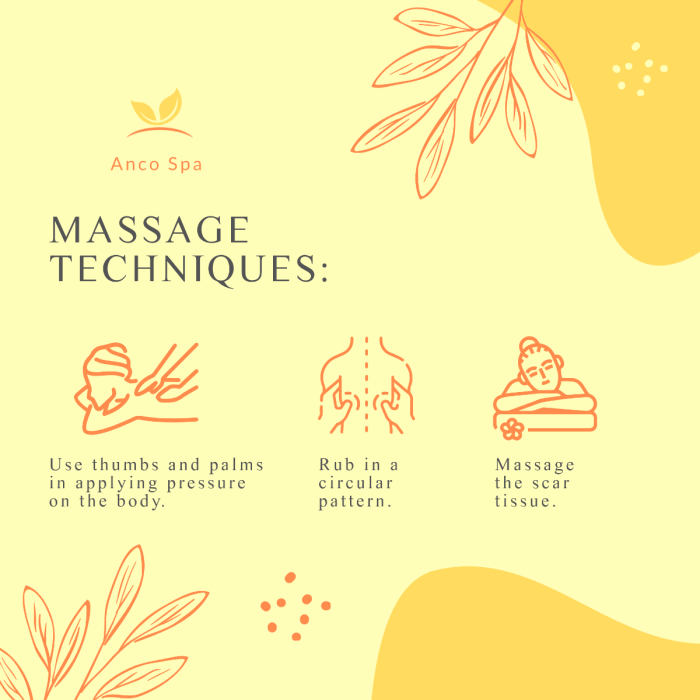
  • Massage Therapy: Nothing beats a good massage after a long day. It promotes relaxation, reduces stress, and can even lower cortisol levels—your body’s stress hormone. Who wouldn’t want to feel like a noodle after a session?
  • Aromatherapy: The use of essential oils can enhance mood and promote a sense of calm. Lavender for relaxation? Yes, please! It’s like a hug in a bottle.
  • Acupuncture: This ancient technique can help balance energy flow in the body, alleviating symptoms of anxiety and depression. It’s like giving your mood a gentle nudge in the right direction.

“Massage therapy: because sometimes, your mood just needs a little hands-on help!”

Final Review

Mood stabilizers

In conclusion, mood stabilizers are more than just pills—they’re companions on the journey to emotional harmony. While they can’t solve all problems, their role in treatment, especially when paired with psychotherapy and holistic practices like meditation and massage, can provide the stability we all crave. So, whether you’re navigating the stormy seas of mood disorders or simply looking to even out your emotional waves, mood stabilizers might just be the trusty life jacket you need!

Q&A

What are mood stabilizers used for?

Mood stabilizers are primarily used to treat mood disorders such as bipolar disorder, depression, and sometimes anxiety disorders.

How long does it take for mood stabilizers to work?

It typically takes several weeks for mood stabilizers to show their full effects, so patience is key!

Can mood stabilizers be taken with other medications?

Yes, they can often be combined with other medications, but always consult with your doctor to avoid any potential interactions.

Are there side effects to mood stabilizers?

Yes, like any medication, they can have side effects, including weight gain, drowsiness, or gastrointestinal issues. It’s essential to discuss these with your healthcare provider.

Can lifestyle changes enhance the effectiveness of mood stabilizers?

Absolutely! Integrating healthy habits like exercise, a balanced diet, and mindfulness practices can boost the effects of mood stabilizers.

Bipolar disorder A Rollercoaster of Emotions and Insights

Bipolar disorder

Bipolar disorder is like that friend who shows up to the party on a rollercoaster: one minute they’re soaring high and the next, they’re in a dip that could make your stomach turn! This intriguing mental health condition involves dramatic shifts in mood, energy, and activity levels, leaving both the individual and their loved ones trying to keep up. With various types and symptoms that can sometimes resemble a mood-swinging ping pong match, understanding bipolar disorder is key to unraveling the mysteries of this complex emotional landscape.

From the highs of mania to the lows of depression, bipolar disorder is far more than just a label; it’s a journey filled with unique characteristics shaped by genetics, environmental factors, and lifestyle choices. This comprehensive exploration will delve into the intricacies of bipolar disorder, its treatment options, and how lifestyle adjustments can play a pivotal role in managing this condition effectively.

Understanding Bipolar Disorder

Bipolar disorder

Bipolar disorder, once known as manic-depressive illness, is a mental health condition that brings dramatic shifts in mood, energy, and activity levels. This disorder’s peaks and valleys can make life feel like a roller coaster ride – minus the safety harness. In this segment, we will explore the types, characteristics, symptoms, and risk factors associated with bipolar disorder, all while keeping it light yet informative.

Types of Bipolar Disorder

Bipolar disorder isn’t a one-size-fits-all situation; it comes in multiple flavors! The primary types include:

  • Bipolar I Disorder: Characterized by at least one manic episode that lasts at least seven days or by manic symptoms that are so severe that immediate hospital care is needed. Depressive episodes are common as well, often lasting at least two weeks.
  • Bipolar II Disorder: Defined by a pattern of depressive episodes and hypomanic episodes, but not the full-blown manic episodes that are typical of Bipolar I.
  • Cyclothymic Disorder: A milder form of bipolar disorder, involving numerous periods of hypomanic symptoms and depressive symptoms lasting for at least two years (one year for children and adolescents).
  • Other Specified and Unspecified Bipolar and Related Disorders: These categories cover bipolar disorder symptoms that do not match the three categories listed above but still involve significant mood changes.

These types illustrate the spectrum of experiences individuals may have, from euphoric highs to heart-wrenching lows, making each person’s journey unique.

Symptoms Distinguishing Bipolar Disorder

Distinguishing bipolar disorder from other mood disorders involves recognizing its unique symptoms. While many mood disorders share some characteristics, bipolar disorder has its own distinct hallmarks.

  • Manic Episodes: Increased energy, reduced need for sleep, euphoria, irritability, and reckless behavior are common during manic phases.
  • Hypomanic Episodes: Similar to manic episodes but less severe, hypomania can still include heightened mood and increased productivity, often leading to a delightful sense of invincibility.
  • Depressive Episodes: Feelings of sadness, emptiness, hopelessness, and a lack of interest in previously enjoyed activities can dominate during depressive episodes.
  • Mixed Episodes: These pose a unique challenge, with symptoms of both mania and depression occurring simultaneously, resulting in emotional confusion and distress.

When compared to other mood disorders like major depression or anxiety disorders, the inclusion of manic or hypomanic episodes serves as a key differentiator for bipolar disorder.

Risk Factors and Genetic Components

Bipolar disorder does not occur in a vacuum; it stems from a complex interplay of genetic, biological, and environmental factors. Understanding these components can shed light on why some individuals are more susceptible than others.

  • Genetics: Individuals with a family history of bipolar disorder are at a higher risk. Studies suggest that around 80-90% of people diagnosed with bipolar disorder have a relative with a mood disorder, making it a real family affair!
  • Brain Structure and Function: Research has shown that certain neurobiological factors, like imbalances in neurotransmitters and differences in brain structure, may play a role in causing bipolar symptoms.
  • Environmental Triggers: Stressful life events such as trauma, loss, or major life changes can trigger the onset of bipolar disorder symptoms, acting like a pushy friend encouraging you to get on the emotional roller coaster.
  • Substance Abuse: The misuse of drugs and alcohol can exacerbate bipolar symptoms, contributing to mood swings and complicating treatment approaches.

By recognizing these risk factors, individuals and their loved ones can take proactive steps toward management and support, turning the tide against this multifaceted condition in a positively charged manner.

Treatment Options for Bipolar Disorder

Bipolar disorder is like that unpredictable friend who swings between being the life of the party and the one who won’t leave the couch. Managing this condition often requires a solid game plan that includes medication, therapy, and a sprinkle of alternative treatments. Let’s dive into these options and find out how they can help bring a bit more stability to the highs and lows.

Medication Overview

When it comes to treating bipolar disorder, medication often takes center stage—like the lead singer in a rock band. Commonly prescribed medications include mood stabilizers, antipsychotics, and antidepressants. Each plays a unique role in managing symptoms and ensuring that the rollercoaster of emotions has a smoother ride.

  • Mood Stabilizers: These are the rock stars of bipolar treatment. Lithium is the most well-known, helping to balance mood and reduce the risk of manic and depressive episodes. Think of it as the backstage pass to a calmer mental state.
  • Antipsychotics: Medications like olanzapine and quetiapine help manage severe episodes of mania or depression. They may not be as popular as mood stabilizers, but they can be crucial for some individuals, keeping the mood swings from becoming a full-blown concert.
  • Antidepressants: Sometimes, these meds join the lineup to combat depressive episodes. However, they can be tricky for those with bipolar disorder, as they might trigger mania if not paired with a mood stabilizer. In concert terms, they need to play in harmony!

Psychotherapy Methods

Therapy can be like the roadies of treatment; they don’t get the spotlight, but they’re essential for keeping things running smoothly. Different psychotherapy methods provide support, structure, and strategies for managing bipolar disorder.

  • Cognitive Behavioral Therapy (CBT): This method helps individuals identify and change negative thought patterns and behaviors. It’s like having a personal trainer for your brain, helping you build mental resilience.
  • Interpersonal and Social Rhythm Therapy (IPSRT): This focuses on stabilizing daily rhythms and improving relationships. It’s all about finding your groove and keeping it steady, much like a well-practiced band finding their tempo.
  • Family-Focused Therapy: This involves family members in the treatment process, improving communication and understanding. It’s like forming a fan club, where everyone is on board to support the main act in managing bipolar disorder.

Alternative Treatments

For those looking to explore additional avenues, alternative treatments can be beneficial. These options can complement traditional treatments and may help improve overall well-being—think of them as the encore performance at a concert.

  • Mindfulness and Meditation: Practicing mindfulness can help individuals stay grounded and manage stress. Picture sitting cross-legged, focusing on your breath, while the chaos of life swirls around you like confetti at a concert.
  • Exercise: Regular physical activity is known to boost mood and reduce anxiety. It’s like a natural high-five to your brain chemistry, making you feel more energized and, quite frankly, less like a couch potato.
  • Nutrition: A healthy diet can have a positive impact on mood stabilization. Foods rich in omega-3 fatty acids (like fish) and antioxidants (like berries) can kick-start your brain function. Think of it as tuning up the instruments before the show!
  • Art and Music Therapy: Engaging in creative activities can be cathartic and help express emotions that words sometimes can’t capture. Whether it’s painting, playing an instrument, or just jamming with friends, creativity can be a powerful therapeutic tool.

Impact of Lifestyle on Bipolar Disorder Management

Managing bipolar disorder isn’t just about medication; it’s also about making lifestyle choices that can help steer the emotional rollercoaster toward smoother tracks. Who knew that eating your greens and taking a brisk walk could be your trusty sidekicks in the fight against mood swings? Yes, it’s true! Lifestyle plays an essential role in managing bipolar disorder and can significantly influence overall well-being.

Techniques for Stress Management

Stress management is crucial for individuals with bipolar disorder, as heightened stress can trigger mood swings. Techniques such as deep-breathing exercises, progressive muscle relaxation, and yoga can help alleviate stress and induce calm. These techniques not only promote relaxation but also improve resilience against future stressors. Here are some effective stress management techniques:

  • Deep Breathing: Engage in slow, deep breaths to calm the mind and body.
  • Progressive Muscle Relaxation: Tense and then relax each muscle group to release physical tension.
  • Mindful Meditation: Focus on the present moment, acknowledging thoughts without judgment.
  • Nature Walks: Getting outside can lower stress levels and bring a dose of sunshine to your day.
  • Art Therapy: Express your feelings through drawing or painting — it’s like therapy with a splash of paint!

“Stress less, smile more!”

Role of Nutrition and Exercise

Nutrition and exercise are not just for beach bodies; they’re essential for mental health too! A balanced diet helps fuel the brain, stabilizing mood and energy levels, while physical activity releases endorphins that act as natural mood lifters. Consider these dietary choices and exercise tips for better mood stabilization:

  • Omega-3 Fatty Acids: Found in fish like salmon, these can help reduce mood swings.
  • Complex Carbohydrates: Foods like whole grains and legumes can have a calming effect.
  • Antioxidant-Rich Foods: Fruits and vegetables like berries and spinach can combat oxidative stress.
  • Regular Exercise: Aim for at least 30 minutes of moderate exercise most days — it’s like a daily dose of happiness!
  • Hydration: Staying hydrated helps maintain cognitive function and mood.

“You are what you eat; don’t be fast, cheap, easy, or fake!”

Designing a Self-Care Routine

Creating a self-care routine that incorporates meditation and mindfulness practices can anchor individuals with bipolar disorder amidst emotional turbulence. A well-structured routine not only provides stability but also promotes greater self-awareness and emotional regulation. Here’s an example of a self-care routine:

  • Morning Meditation: Start the day with 10 minutes of mindfulness meditation to set a positive tone.
  • Balanced Breakfast: Include protein and complex carbohydrates to fuel your morning.
  • Midday Movement: Take a brisk 15-minute walk; it’s a great excuse to step away from work.
  • Aromatherapy: Use calming scents like lavender during stressful moments to soothe your mind.
  • Gratitude Journal: End your day by jotting down three things you’re grateful for, fostering positivity.

“Self-care is not selfish; it’s essential!”

Final Summary

Bipolar disorder

In conclusion, navigating the ups and downs of bipolar disorder might feel like trying to walk a tightrope in a windstorm, but with the right knowledge and support, it’s possible to find balance and stability. Whether it’s through medication, therapy, or a sprinkle of self-care sprinkled with mindfulness and a dash of humor, those managing bipolar disorder can lead fulfilling lives.

Remember, it’s not just about surviving the ride; it’s about enjoying the journey!

Key Questions Answered

What are the main types of bipolar disorder?

The main types include Bipolar I, Bipolar II, and Cyclothymic disorder, each characterized by different patterns of mood swings and intensity.

Can bipolar disorder be cured?

While there is no cure, bipolar disorder can be effectively managed with the right treatments and strategies.

How does bipolar disorder affect relationships?

Bipolar disorder can lead to misunderstandings and challenges in relationships, but open communication and support can help navigate these hurdles.

Is it possible to lead a normal life with bipolar disorder?

Yes! With proper management and support, many individuals with bipolar disorder lead fulfilling and productive lives.

What should I do if I think I have bipolar disorder?

Consult a mental health professional for a proper diagnosis and to discuss potential treatment options.

Stress relief Unwind Your Mind and Body with Ease

Stress relief

Welcome to the delightful world of Stress relief, where we unravel the tangled knots of tension and discover the soothing balm of relaxation! Imagine a magical toolbox filled with deep breathing, meditation, and yoga that can turn your stress into bliss faster than you can say “Namaste!” From discovering how a little sweat can wipe away life’s worries to creating a tranquil haven right in your living room, this journey promises to be as enlightening as it is entertaining.

In this fabulous adventure, we’ll explore the art of stress relief techniques, learn how to make our homes a sanctuary of calm, and understand the incredible connection between our minds and bodies. So buckle up, dear reader, because we’re about to dive headfirst into the ocean of tranquility—no floaties required!

Stress Relief Techniques

Stress can feel like that unwelcome guest at a dinner party who shows up uninvited and just won’t leave. Fortunately, there are effective techniques for stress relief that can help you send stress packing, allowing you to enjoy your life in peace. Whether you’re tangled up in your work or feeling the pressure of life’s endless to-do lists, the right techniques can restore your calm and clear your mind.

Let’s dive into some delightful ways to keep stress at bay, shall we?

Deep Breathing and Meditation

Deep breathing and meditation are like superhero duo for your mind—ready to swoop in and save the day from stress. Breathing techniques can quickly lower your heart rate and reduce anxiety, giving your body the chill pill it desperately needs. Here are some effective methods:

  • 4-7-8 Breathing: Inhale through your nose for 4 seconds, hold for 7 seconds, and exhale slowly through your mouth for 8 seconds. Repeat this cycle a few times and feel the tension melt like butter on a hot pancake.
  • Box Breathing: Picture a box in your mind. Inhale for 4 seconds, hold for 4 seconds, exhale for 4 seconds, and hold again for 4 seconds. Repeat until you’re ready to take on the world (or at least your inbox).
  • Meditation: Just 10 minutes of focused meditation can boost your mood and clarity. Find a quiet space, close your eyes, and visualize your stress floating away like a balloon drifting into the blue sky.

The Role of Physical Exercise

When it comes to stress relief, physical exercise is like that friend who always knows how to make you smile. It releases endorphins—your brain’s feel-good chemicals—and helps your body deal with stress like a well-oiled machine. Various workouts can be integrated into your routine:

  • Cardio Workouts: Activities like running, swimming, or dancing get your heart pumping and can clear your mind faster than you can say “Zumba!”
  • Strength Training: Lifting weights helps release pent-up energy and stress. Plus, who doesn’t want to feel like a superhero a few days a week?
  • Yoga: A combination of physical postures, breathing techniques, and meditation, yoga can help you find your zen. Poses like the Downward Dog can help stretch out tension from your body while also calming your mind.

Incorporating Daily Practices

We get it—life is busier than a bee at a flower convention, but incorporating stress relief into your daily routine is essential. Here are some clever ways to weave these practices into your schedule:

  • Morning Ritual: Start your day with 5 minutes of deep breathing or meditation while you sip your coffee or tea. It’s like hitting the snooze button on stress!
  • Work Breaks: Set a timer every hour to take a quick 5-minute walk or do some deep breathing exercises. It’s a great way to recharge like your phone after a long day of streaming.
  • Evening Wind Down: Dedicate the last 10-15 minutes of your day to gentle yoga or meditation. It’s the perfect way to say “goodbye” to stress before bed, ensuring sweet dreams instead of stressful ones.

Health and Home Care

Stress relief

In the chaotic circus of life, juggling responsibilities while battling chronic illnesses can send stress levels skyrocketing. But fear not! Home health care professionals are here to be your trusty sidekicks, equipped with tools and techniques to help manage stress and promote relaxation. Their support can turn your home into a sanctuary, making the circus act feel more like a peaceful stroll in the park.Home health care professionals play a crucial role in helping patients manage stress.

They don’t just drop off medication with a smile and a wave; they actively engage with patients to tailor stress relief strategies specific to their needs. Whether it’s through gentle reminders to practice relaxation techniques, facilitating communication with family members, or simply being a listening ear, these professionals help foster an environment conducive to healing. They can also provide education on lifestyle changes, including diet and exercise, which are key components of stress management.

Home Remedies for Stress Relief

Home remedies can be simple yet powerful tools in the fight against stress. Here’s a collection of remedies that can help you unwind and reclaim your inner zen, making a perfect addition to your stress-busting toolkit.

  • Aromatherapy: Essential oils like lavender and chamomile can transform your living room into a soothing oasis. Just a few drops in a diffuser can have you feeling like you’re lounging in a fragrant field of flowers.
  • Herbal Teas: Sip on a warm cup of chamomile or peppermint tea. Not only will it warm your insides, but it will also transport you to a serene tea garden where stress is but a distant memory.
  • Yoga and Stretching: Engaging in gentle stretches or yoga can release tension stored in your body. Plus, nothing feels more calming than trying to touch your toes (or just laughing at your attempt).
  • Mindful Breathing: Deep breathing exercises can lower your heart rate and calm your mind. Remember, inhale the good vibes and exhale the bad ones—like you’re blowing out birthday candles, but without the cake.
  • Warm Baths: A warm bath infused with Epsom salts is like a mini-vacation in your own bathroom. Just don’t forget the rubber duck for company!

Establishing a Calming Home Environment

Creating a calming home environment is fundamental to reducing stress levels. A sanctuary at home can make a world of difference in how you deal with stressors outside. Here are some ideas to transform your living space into a tranquil retreat.

  • Declutter Your Space: A tidy room can lead to a tidy mind. Channel your inner Marie Kondo, and get rid of anything that doesn’t spark joy or at least doesn’t remind you of pizza.
  • Soft Lighting: Swap harsh overhead lights for soft lamps or fairy lights. Creating a cozy ambiance can help lull you into relaxation like a gentle lullaby.
  • Greenery: Incorporate houseplants. Their presence not only adds beauty to your home but also improves air quality, making you feel like you’re living in a mini rainforest.
  • Personal Sanctuary: Create a dedicated space for relaxation, whether it’s a cozy reading nook or a meditation corner. Fill it with your favorite things—think of it as your personal happiness museum.
  • Soothing Sounds: Use calming music or nature sounds in the background. You’ll feel like you’ve got your own personal soundtrack, perfect for unwinding after a hectic day.

“Stress less, live more!”

Mind-Body Connection

Stress relief

The mind-body connection is the ultimate superhero duo in the battle against stress, wielding powers that can enhance both mental and physical health. Imagine your mind and body as a team of dynamic wrestlers; when they work together, they can body slam stress right out of the ring! Understanding this connection can help manage stress better and lead to an overall healthier life.Mental health and physical health are like peanut butter and jelly—they’re better together.

When stress creeps in, our bodies can react in ways that are far from pleasant: heart racing, muscles tensing, and hair turning grey faster than you can say “Not today, stress!” The mind can trigger these physical reactions, and conversely, physical health issues can impact mental well-being. Studies have shown that those who regularly engage in physical activity experience lower levels of anxiety and depression.

So, getting up from that couch and doing a little jig can do wonders for your mood!

Meditation and Mood Disorders

Meditation acts as a gentle massage for the mind, soothing anxiety and lifting the heavy clouds of mood disorders. While some might think meditation is just a bunch of people sitting cross-legged, humming like a bunch of happy bees, it’s actually a powerful tool for mental health. Research indicates that consistent meditation can lead to a decrease in symptoms of mood disorders such as depression and anxiety.

Let’s break down some of the benefits of meditation:

  • Reduction of Anxiety: Regular meditation practice can dramatically reduce anxiety levels, leading to a calmer state of mind.

  • Improved Emotional Well-being: Meditation encourages a greater sense of emotional stability, which can help you keep your cool even when life tosses you a curveball.

  • Enhanced Self-Awareness: By taking time to reflect through meditation, individuals may gain insights into their own thoughts and behaviors, paving the way for personal growth.

Maintaining a balanced mind-body spirit is essential in managing stress effectively. This balance allows for a harmonious flow of energy, much like a well-orchestrated symphony where every instrument plays its part without drowning out the others. Achieving this balance can be done through a variety of practices that nurture both the mind and body:

  • Regular Exercise: Engaging in physical activities releases endorphins, the body’s natural mood lifters, helping to keep stress at bay.

  • Healthy Nutrition: A balanced diet filled with fruits, veggies, and whole grains fuels not only the body but also supports mental clarity.

  • Mindfulness Practices: Being present in the moment can reduce stress and enhance overall well-being, allowing you to step out of the chaos and into tranquility.

In conclusion, understanding the mind-body connection is a powerful tool in combatting stress. It shows that our mental and physical health are intertwined, and taking steps to nurture both can lead to a happier, healthier life—one that’s far less stressful and a lot more fun!

Last Point

As we float back to the surface, it’s clear that stress relief is more than just a buzzword; it’s a lifestyle! From mastering relaxation techniques to transforming our homes into serene retreats, we’ve unlocked the secrets to keeping stress at bay. Remember, with a sprinkle of humor, a dash of exercise, and a generous helping of self-care, we can all embrace a calmer, happier existence.

So go forth, stress conqueror, and may your days be filled with peace and laughter!

Questions Often Asked

What is the best technique for stress relief?

While everyone is different, deep breathing and meditation are often recommended as effective techniques to quickly reduce stress levels.

How often should I practice stress relief techniques?

Ideally, you should practice them daily, even if only for a few minutes, to help build resilience against stress.

Can exercise really help with stress relief?

Absolutely! Physical activity releases endorphins, which are natural mood lifters and can significantly reduce stress.

What are some quick stress relief tips for a busy day?

Try deep breathing for a minute, take a brisk walk, or listen to your favorite song—these can provide quick bursts of relief!

Does stress relief work for everyone?

While many techniques are effective, finding the right combination for you is key. Experiment and see what works best!

Mens body image Unpacking the Truth Behind the Mirror

Men's body image

Men’s body image is the unsung hero in a world where abs are celebrated and dad bods are lovingly mocked. It’s a battlefield where societal expectations clash with personal insecurities, and every man is caught in the crossfire, armed only with a can of protein powder and a gym membership. Dive into this whimsical journey of self-perception as we dissect the pressures, the pitfalls, and the pathways to loving the skin you’re in.

From the city streets where billboards flaunt impossibly chiseled physiques to the quiet corners of our minds where doubts lurk, the conversation around men’s body image is as complex as a Rubik’s Cube in a dark room. Discover how these societal standards not only shape our physical pursuits but also play a sneaky role in mental health, influencing everything from confidence levels to health behaviors.

Spoiler alert: there’s more to men’s body image than just hitting the gym or downing protein shakes!

Men’s Body Image

Society has long held a magnifying glass to men’s bodies, analyzing every muscle, fat fold, and hairline with the precision of a surgeon. The modern man faces pressures that can seem as unending as a treadmill on high speed. From sculpted abs to chiseled jaws, the expectations can feel like a full-time job. But while pursuing the ideal male physique might be a popular pastime, it can also lead to a troubling cocktail of mental health issues that many men are reluctant to admit.

Societal Standards and Pressures

The societal standards for men’s body image often hinge on an ideal that is less like reality and more like a superhero comic. These standards are perpetuated by media portrayals where every male character seems to have emerged from a gym, complete with perfect biceps and a six-pack that could grate cheese. This creates a pressure cooker environment where men feel compelled to conform to these unrealistic ideals.

To explore this phenomenon further, consider the following factors that contribute to the pressure men feel regarding their body image:

  • Media Representation: TV, movies, and advertisements frequently showcase hypermasculine bodies, suggesting that only these physiques are worthy of admiration.
  • Social Media Influence: Platforms like Instagram are rife with influencers who embody the ‘perfect’ man, often using filters and angles that distort reality.
  • Peer Comparison: The age-old practice of comparing oneself to others can lead to feelings of inadequacy and a distorted self-image.
  • Cultural Expectations: Different cultures have varying ideals, but many prioritize muscularity and fitness, pressuring men to pursue these ideals relentlessly.

Mental Health Issues Associated with Negative Body Image

Negative body image can lead to a plethora of mental health challenges that often go unnoticed. Many men suffer in silence, battling insecurities that can affect their overall well-being. The connection between body image and mental health is significant, as dissatisfaction can lead to issues such as:

  • Anxiety: Constant worry about physical appearance can manifest in social situations, making interactions feel daunting.
  • Depression: A negative self-image can lead to feelings of hopelessness and despair, affecting all areas of life.
  • Eating Disorders: Disorders such as binge eating or muscle dysmorphia can develop as men attempt to control their body shape and size.
  • Low Self-esteem: Persistent body dissatisfaction can erode confidence, impacting personal and professional relationships.

Strategies for Promoting a Positive Body Image

Creating a positive body image among men requires a collective effort to reshape cultural narratives and provide support. Here are some strategies that can help:

  • Encouraging Open Conversations: Creating safe spaces for men to discuss their feelings about body image can foster understanding and reduce stigma.
  • Promoting Diverse Body Types: Celebrating men of all shapes and sizes in media and advertising can help to normalize variety and reduce pressure to conform.
  • Focusing on Health Over Aesthetics: Highlighting the importance of physical and mental health over appearance can shift the focus to well-being.
  • Practicing Self-Compassion: Encouraging men to treat themselves with kindness can promote a more positive self-view and mitigate harmful comparisons.

Embracing individuality and authenticity over societal standards is the first step toward a healthy body image.

Health and Men’s Issues

Men's body image

Men’s health can often resemble a game of dodgeball—dangerous, unpredictable, and frequently leaving one feeling a bit bruised. The pressure to maintain a certain body image can lead men to make health choices that either bolster or hinder their overall wellness. From sweating it out in the gym to indulging in those late-night snacks, body image plays a significant role in how men approach their health and lifestyle choices.When it comes to body image, the stakes can be high.

Men may engage in rigorous exercise routines or extreme diets not just to look good, but to feel good about themselves. However, these choices can also have unintended consequences. For instance, research indicates a clear correlation between body image and physical health conditions such as hypertension. Men who perceive themselves negatively may engage in unhealthy coping mechanisms, such as smoking or excessive alcohol consumption, leading to elevated blood pressure and other health issues.

It’s a vicious cycle where poor body image exacerbates health problems, and those health problems further damage self-esteem.

Influence on Self-Esteem and Body Confidence

Improving self-esteem and body confidence is not just about hitting the gym for a six-pack or chugging protein shakes like they’re water. Here are some techniques that can help men lift their spirits—and maybe even some weights:

  • Positive Affirmations: Repeating positive statements can rewire negative thought patterns. For example, saying “I am strong and capable” while flexing in front of the mirror might just replace that self-doubt with a dose of confidence.
  • Focus on Health, Not Appearance: Shifting the focus from how one looks to how one feels encourages healthier habits. Emphasizing fitness and well-being can lead to better health outcomes and enhance body image.
  • Seek Support: Surrounding oneself with positive influences, whether through friends, family, or support groups, can provide the encouragement needed to cultivate a healthy mindset.
  • Set Realistic Goals: Establishing achievable fitness or lifestyle goals reduces the likelihood of disappointment and fosters a sense of accomplishment, enhancing self-worth.

“Your body is a reflection of your lifestyle; treat it like the temple it is, not a fast-food joint!”

Using these strategies can help men break free from the shackles of unrealistic body image expectations, encouraging a healthier, more balanced lifestyle. It’s time for men to embrace their bodies, quirks and all, while championing their health along the way.

Mind, Body, Spirit Connection

The intricate relationship between mind, body, and spirit is not just the stuff of yoga retreats and self-help books—it’s a crucial aspect of men’s health that can reshape body image perceptions and overall well-being. Within this triad, meditation and mindfulness emerge as powerful tools that can revamp how men view their bodies, while mood disorders add a twist that can make this journey a bit more complex.

Let’s dive into how these elements interconnect and discover practical approaches to foster a healthier self-image.

Impact of Meditation and Mindfulness on Body Image Perceptions

Meditation and mindfulness serve as the mental gym for the spirit, helping men build resilience against harmful body image perceptions. Studies show that regular mindfulness meditation can lead to improved self-acceptance and reduced anxiety related to body image. This practice is like applying a filter to a selfie—suddenly, you start to appreciate your unique features rather than focusing on perceived flaws.Research indicates that mindfulness encourages a non-judgmental awareness of thoughts and feelings, allowing men to step back from the critical voices in their heads.

Instead of hearing, “Your chest could use a few more push-ups,” mindfulness enables men to recognize thoughts like, “I’m working on my health, and that’s what matters.” To cultivate this practice, consider the following steps:

  • Start with short sessions—5 minutes of focused breathing can be transformative.
  • Incorporate body scans, where you mentally check in with each part of your body, promoting awareness and gratitude.
  • Join a group or app to keep motivated; community support is like a workout buddy for your mind.

Integration of Physical Health Practices with Mental Health Support

The synergy between physical and mental health is akin to a power couple in a rom-com; they lift each other up! Men can enhance their mental health through physical practices like massage. Not only does massage therapy reduce muscle tension, but it also enhances mood by promoting the release of endorphins—the body’s natural feel-good hormones. Incorporating massage into your routine can be simple and fun.

Here’s a quick guide:

  • Schedule regular appointments with a licensed massage therapist who understands your body’s needs.
  • Try self-massage techniques at home using foam rollers or massage balls; it’s like giving yourself a high-five from the inside.
  • Combine massage with mindfulness—focus on how your body feels during and after the massage to cultivate greater awareness of your physical self.

Role of Mood Disorders in Shaping Body Image and Self-Perception

Mood disorders can significantly influence how men perceive their bodies and themselves. Conditions such as depression and anxiety often skew self-image, leading to a cycle where negative thoughts about physical appearance exacerbate feelings of worthlessness. This vicious cycle is like a treadmill—you’re running fast and going nowhere.For men grappling with these issues, understanding the connection between mood and body image is essential.

It’s important to address mood disorders with the same enthusiasm as hitting the gym. Here are some insights to consider:

  • Engage in open conversations about mental health; talking is as vital as lifting weights.
  • Seek professional help; therapy can provide strategies to combat negative self-perceptions.
  • Adopt a holistic approach—incorporate nutritious eating, exercise, and mindfulness to create a supportive environment for mental health.

“Healthy body, healthy mind—embracing the whole package leads to a harmonious existence.”

Final Thoughts

Men's body image

As we wrap up our exploration into the world of men’s body image, it becomes clear that the journey to self-acceptance is a winding road filled with unexpected detours. Whether through mindfulness, camaraderie, or simply a good laugh at our own expense, the path to a positive body image is paved with understanding and support. So, let’s toss aside the scale and celebrate those quirks and curves—because at the end of the day, confidence is the real six-pack we should all aspire to have!

FAQ Summary

What are common insecurities men face about their bodies?

Men often worry about muscle mass, height, body hair, and aging, feeling pressured to meet societal ideals.

How can men promote a positive body image?

Engaging in open discussions, practicing self-care, and surrounding themselves with supportive friends can foster a positive body image.

Does social media affect men’s body image?

Absolutely! Social media can amplify unrealistic standards, but it can also provide a platform for positive messaging and body diversity.

What mental health issues are linked to poor body image?

Issues like depression, anxiety, and low self-esteem frequently arise from negative body image perceptions in men.

Can mindfulness help improve men’s body image?

Yes! Mindfulness practices can encourage self-acceptance and reduce the negativity associated with body image.

Mindfulness Meditation Your Key to Calm Chaos

Mindfulness meditation

Welcome to the delightful realm of Mindfulness meditation, where we transform chaotic thoughts into serene streams of zen! Imagine your mind as a wild monkey on a sugar rush; mindfulness is that soothing banana that helps tame the frenzy. With roots deep in ancient traditions, this practice offers not just tranquility but a treasure trove of benefits for the body and soul.

Ready to dive into this refreshing pool of calm? Let’s uncover how mindfulness meditation can be your secret weapon against stress, confusion, and the occasional existential crisis!

As we shuffle through the basics, we’ll explore its historical significance, the perks of consistent practice, and a foolproof guide for beginners. You’ll see how mindfulness can be a game-changer for your health, mood, and even your home health care routine. Spoiler alert: it involves a lot of deep breaths and maybe a little giggle or two along the way!

Mindfulness Meditation Fundamentals

Mindfulness meditation is not just a fancy buzzword thrown around by yoga enthusiasts; it’s a profound practice with deep historical roots. Originating over 2,500 years ago in the Buddhist tradition, mindfulness meditation invites practitioners to cultivate awareness and presence in each moment. Imagine being like that wise sage sitting under a tree, except you can enjoy your coffee while doing it!The practice has gained widespread recognition in modern psychology, thanks to its plethora of benefits.

Regularly engaging in mindfulness meditation can lead to lower stress levels, improved focus, and enhanced emotional regulation. Who wouldn’t want to deal with life’s curveballs with the calm of a Zen master?

Concept of Mindfulness Meditation

Mindfulness meditation encourages individuals to observe their thoughts, feelings, and sensations without judgment. This practice allows individuals to develop a non-reactive awareness of their experiences. At its core, the essence of mindfulness can be summarized as:

“Being present in the moment, without judgment.”

Historically, it draws from ancient spiritual traditions, particularly Buddhism, but has evolved into a secular practice embraced by people of all walks of life. The central idea is to cultivate a mindset that acknowledges whatever arises in the mind, be it joyous or chaotic.

Benefits of Practicing Mindfulness Meditation

Practicing mindfulness meditation regularly is akin to giving your brain a spa day. Here’s how it can transform the mundane into the extraordinary:

  • Stress Reduction: One of the most celebrated benefits, mindfulness meditation can lower cortisol levels, helping you chill like a sloth on a hammock.
  • Enhanced Focus: Regular practice sharpens concentration, making you more productive than a squirrel on espresso.
  • Improved Emotional Health: It can lead to decreased symptoms of depression and anxiety, creating a brighter outlook on life.
  • Better Relationships: Mindfulness fosters empathy and patience, making you more pleasant company (even on Mondays).
  • Increased Self-Awareness: It helps you get to know yourself better, including those quirky things that make you, well, you!

Step-by-Step Guide for Beginners

Starting your mindfulness meditation journey is as easy as pie—if pie were made of serenity and inner peace. Here’s a simple guide to help you get rolling:

1. Find a Quiet Space

Look for a cozy spot where distractions are minimal. This can be your living room, a garden, or even the corner of a coffee shop (don’t worry, nobody will judge you for being the “meditative” one).

2. Get Comfortable

Sit or lie down in a position that feels good. You don’t need to sit cross-legged like a pretzel unless you enjoy that sort of thing.

3. Set a Timer

Start with just 5-10 minutes. It’s like a quick espresso shot for your brain, just enough to kickstart your day.

4. Focus on Your Breath

Notice the sensation of each inhale and exhale. Picture your breath as a gentle wave washing over you—ah, serenity!

5. Observe Your Thoughts

As thoughts arise, acknowledge them without judgment and gently guide your focus back to your breath. Think of it as watching clouds float by; they come and go, but you remain grounded.

6. Close with Gratitude

Once your timer goes off, take a moment to appreciate the time you’ve spent nurturing your mind. Maybe even give yourself a mental high-five!With these fundamentals, you’re well on your way to becoming a mindfulness meditation pro while adding a sprinkle of humor to your practice. Happy meditating!

Mindfulness Meditation and Health

Mindfulness meditation

Mindfulness meditation isn’t just about sitting quietly and pretending to be a statue; it’s a powerful practice that can lead to significant health improvements. Research indicates that this mind-body connection can transform not only how we think but also how our bodies function. So let’s dive into how mindfulness can be the superhero of our health, complete with a cape (and maybe a yoga mat).

Impact on Overall Health Improvements

Engaging in mindfulness meditation can lead to a plethora of health benefits that stretch beyond the mind into the realm of physiological well-being. This practice helps to reduce stress levels, which, let’s face it, is a common affliction in our modern, caffeinated lives. By fostering a state of relaxation, mindfulness meditation can lower cortisol levels, the infamous stress hormone that is always lurking around like an unwanted party guest.Research highlights some impressive correlations between mindfulness practices and overall health improvements:

  • Lowered blood pressure, contributing to enhanced cardiovascular health.
  • Improved sleep patterns, turning restless nights into peaceful slumbers.
  • Stronger immune response, making you feel like a human fortress against colds and flu.
  • Reduced instances of chronic pain, allowing more time for enjoying life (and less time for moaning).

“Mindfulness is the art of observing without judgment.”

Mindfulness Meditation and Hypertension Management

Hypertension, the silent but deadly villain in the health saga, can be managed effectively with mindfulness meditation. Studies have shown that by incorporating mindfulness techniques into our daily routines, we can achieve remarkable control over high blood pressure. For instance, a study published in the Journal of the American Medical Association found that patients practicing mindfulness meditation experienced significant reductions in their systolic blood pressure.

This isn’t just a small drop that you can ignore; we’re talking about numbers that could make your doctor do a happy dance. Some notable findings include:

  • Individuals who consistently practice mindfulness have recorded an average drop of 4-5 mmHg in systolic pressure.
  • Regular mindfulness practitioners reported lower anxiety levels, which often accompany high blood pressure.
  • Mindfulness techniques promote healthier lifestyle choices, such as improved diet and increased physical activity.

Influence on Mood Disorders and Emotional Well-Being

Mood disorders can feel like a storm cloud following you around, but mindfulness meditation has shown to be a silver lining. Research suggests that mindfulness can significantly improve symptoms of anxiety, depression, and even PTSD. The key lies in mindfulness’s ability to help individuals become more aware of their thoughts and feelings, transforming them from overwhelming tidal waves into manageable ripples.

A study by the National Institutes of Health reported that participants engaging in mindfulness-based therapy saw a remarkable reduction in depressive symptoms. The benefits of mindfulness meditation on emotional well-being can be summarized as follows:

  • Increased self-awareness, leading to better emotional regulation.
  • Heightened resilience to stressors, giving individuals the strength to bounce back from setbacks.
  • Enhanced relationships due to improved empathy and active listening skills.
  • Promotion of a more positive outlook, transforming pessimistic perspectives into hopeful horizons.

In conclusion, mindfulness meditation serves as a multifaceted tool for enhancing health, managing hypertension, and improving emotional stability. It’s not just about finding your zen; it’s also about feeling fantastic—like a rock star at a health concert!

Integrating Mindfulness in Home Health Care

In the whirlwind of daily life, home health care can often feel like a high-speed chase featuring a quirky cast of characters, including nurses, patients, and a mountain of paperwork. Introducing mindfulness meditation into this chaotic mix can create a serene oasis, allowing all involved to savor the moment—even amidst the hustle and bustle of health care routines. Picture a world where caregivers and clients alike float through their tasks with mild smiles and calm minds, rather than teetering on the edge of a caffeine-fueled frenzy.Integrating mindfulness in home health care is not just a fanciful dream; it can be a practical reality.

By designing a program that weaves mindfulness practices into daily routines, healthcare professionals can enhance the well-being of their clients while also providing a much-needed breather for themselves. This approach acknowledges the emotional and psychological aspects of health care, ensuring that both caregiver and client can find moments of peace amidst their duties.

Designing a Mindfulness Program for Home Health Care

The cornerstone of a successful mindfulness program lies in its accessibility and integration into the daily lives of both healthcare professionals and clients. Here’s how such a program can be structured:

Daily Mindful Moments

Encourage healthcare professionals to initiate 5-minute mindfulness breaks during home visits. This could involve simple breathing exercises or guided imagery practices that can be done while sitting in a chair or even lying in bed.

Mindful Communication Workshops

Host workshops where healthcare providers learn to incorporate mindfulness into their communication with clients. Techniques for active listening and being fully present can enhance rapport and ensure that clients feel valued and heard.

Mindfulness Resources

Create a resource bank that includes apps, websites, and audio recordings for clients and caregivers to explore mindfulness techniques on their own time. This can be a treasure trove of guided meditations and mindfulness exercises tailored for different needs.

Group Activities

Organize group sessions for clients, focusing on mindfulness activities such as gentle yoga, Tai Chi, or mindful walking. This fosters community and helps clients share their experiences and insights.

Teaching Mindfulness Techniques to Clients

Healthcare professionals play a vital role in imparting mindfulness techniques to clients, helping them to cultivate their own practices. Here are effective methods for teaching these techniques:

Model Mindfulness

Healthcare providers should exemplify mindfulness in their own practice. By demonstrating calmness and presence during interactions, they set the tone for clients to follow.

Simple Breathing Techniques

Teach clients how to engage in mindful breathing. For instance, instruct them to take a deep breath in through the nose, hold for a couple of seconds, and exhale slowly through the mouth. This can be done while washing hands or during medication administration.

Mindful Observation

Encourage clients to practice mindful observation during activities, such as eating or taking a shower. They can focus on the sensations—colors, textures, and fragrances—enhancing their appreciation of everyday experiences.

Gratitude Journaling

Introduce journaling as a mindfulness exercise. Clients can jot down three things they are grateful for each day, which can foster a more positive mindset and promote emotional well-being.

Examples of Mindfulness Exercises During Health and Nursing Activities

Mindfulness exercises can seamlessly fit into everyday health care activities, transforming mundane tasks into moments of reflection and calm. Here are a few examples:

Mindful Medication Administration

While preparing medications, encourage nurses to take a moment to focus on their breath. This practice not only calms the mind but also enhances attention to detail—making sure the right medication is given at the right time.

Mindful Grooming

During personal care routines, such as bathing or brushing hair, healthcare professionals can guide clients to focus on the sensations of water, soap, or the brush moving through hair. This encourages a mindful connection with their body.

Mindfulness During Therapy Sessions

In physical or occupational therapy, therapists can incorporate mindfulness by having clients focus on their movements and breath, ensuring they are present and engaged in their rehabilitation.

Nature Sounds and Guided Imagery

While changing bandages or assisting in mobility, soft background sounds of nature or short guided imagery scripts can be employed to create a tranquil atmosphere, enhancing relaxation and comfort for the client.

“Mindfulness is not about eliminating thoughts, but learning to observe them without attachment.”

By incorporating mindfulness into home health care, we create not just a more peaceful environment but also a more effective care experience, supporting the well-being of both clients and healthcare professionals alike.

Wrap-Up

Mindfulness meditation

In conclusion, mastering Mindfulness meditation isn’t just about sitting cross-legged and chanting mantras; it’s about embracing the art of being present in a world that often feels like a roller coaster ride. Whether you’re looking to improve your health, find emotional balance, or sprinkle some tranquility into your home care routines, mindfulness serves as your trusty guide. So, take a deep breath, and remember: the journey to inner peace is just a mindful moment away!

FAQs

What is mindfulness meditation?

It’s a practice that focuses on being fully present, aware of your thoughts and feelings without judgment.

How long should I meditate for?

Start with just 5-10 minutes a day and gradually increase as you feel comfortable!

Do I need special equipment for mindfulness meditation?

Nope! Just find a quiet space, a comfy seat, and your wonderful self.

Can mindfulness meditation help with anxiety?

Absolutely! It can help reduce anxiety by promoting calm and clarity in your thoughts.

Is mindfulness meditation suitable for everyone?

Yes, it’s for anyone willing to give it a try—no experience needed!

Telemedicine Revolutionizing Home Health Care and More

Telemedicine

Welcome to the futuristic world of Telemedicine, where your doctor is just a click away, and pajamas are the new scrubs! This marvelous innovation is transforming healthcare by bridging the gap between patients and providers, especially in the cozy confines of home sweet home. Imagine managing chronic diseases without ever leaving your couch, all thanks to technology that’s smarter than your average cat.

From monitoring hypertension with the ease of a video call to addressing mental health issues while you sip your coffee, telemedicine is here to help you healthify your life without the drama of waiting rooms. With a sprinkle of tech magic, it’s a healthcare revolution that caters to the comfort of your personal space, making doctors more accessible than your favorite pizza delivery!

Telemedicine in Home Health Care

In recent times, telemedicine has become a game changer in home health care, enabling patients to receive medical attention without leaving the comfort of their own homes. Imagine a world where you can get expert medical advice in your PJs, sipping coffee while your doctor appears on your screen – that’s telemedicine for you! This innovative approach not only saves time but also enhances the quality of care patients receive, especially those managing chronic conditions.The impact of telemedicine on home health care services is revolutionary.

It allows healthcare providers to monitor patients remotely, ensuring consistent care and timely interventions. By utilizing various technologies, telemedicine supports patients in managing their health from home, effectively reducing hospital visits and improving outcomes. With a click of a button, patients can connect with their healthcare team, making the process as smooth as a well-blended smoothie.

Benefits of Telemedicine for Chronic Disease Management at Home

Chronic disease management is where telemedicine truly shines, providing a lifeline to those juggling ongoing health challenges. The benefits are as abundant as a summer garden, and here’s a closer look at how telemedicine plants the seeds for better health management:

  • Convenience: Patients can schedule appointments from their homes, eliminating travel time and hassle, especially for those with mobility issues.
  • Continuous Monitoring: Wearable devices track vital signs, sending real-time data to healthcare providers, ensuring that no fluctuation goes unnoticed.
  • Personalized Care: Telemedicine enables tailored treatment plans based on individual conditions and lifestyles, making health care as unique as a snowflake.
  • Cost-Effective: Reducing the need for physical visits cuts down on travel expenses and time off work, putting more money back into the patient’s pocket.
  • Improved Access: Patients in rural or underserved areas can now access specialists without the long trek, bridging the healthcare gap like a sturdy bridge over troubled waters.

Technologies Used in Telemedicine for Home Health Care

The technology behind telemedicine is akin to magic, transforming healthcare delivery into a seamless experience. Let’s explore the tools and technologies that make telemedicine a reality for home health care:

  • Video Conferencing Tools: Platforms like Zoom or Doxy.me allow real-time visual consultations, making interactions feel personal, even when you’re miles apart.
  • Remote Monitoring Devices: Gadgets such as blood pressure cuffs, glucose monitors, and pulse oximeters send data directly to healthcare providers, transforming homes into mini clinics.
  • Mobile Health Apps: Applications like MyFitnessPal or Medisafe help patients track their medications and health metrics, acting like a digital cheerleader on their health journey.
  • Electronic Health Records (EHRs): These secure digital records ensure that all patient information is accessible to healthcare providers, making communication as quick as a text message.
  • Artificial Intelligence (AI): AI algorithms analyze patient data to predict potential health risks, providing a proactive approach to care that’s smarter than your average bear.

The integration of innovative technologies in telemedicine is revolutionizing home health care, making it more efficient, accessible, and personalized than ever before.

Telemedicine’s Role in Managing Health and Hypertension

In the ever-evolving world of healthcare, telemedicine has emerged as a superhero, swooping in to save the day for patients battling hypertension. Gone are the days of tedious waiting rooms and the dreaded blood pressure cuff—now, managing your blood pressure can be as easy as turning on your favorite streaming service. With technology at our fingertips, telemedicine plays a crucial role in helping patients keep their hypertension in check, all from the comfort of their own home.

So, let’s dive into how this digital magic works!Telemedicine assists in monitoring and managing hypertension by utilizing various technologies that enable healthcare providers to stay connected with their patients. With remote monitoring devices, patients can track their blood pressure and transmit the data to their healthcare team in real time. This proactive approach allows for immediate feedback and timely adjustments to treatment plans.

Imagine being able to send a text with your blood pressure readings instead of waiting for a monthly appointment—it’s like sending a postcard from your health journey, but it arrives instantly!

Telehealth Services Designed for Hypertension Patients

Various telehealth services are specifically tailored to meet the needs of patients with hypertension, making it easier than ever to stay on top of health goals. These services can include:

  • Remote Blood Pressure Monitoring: Patients can use digital blood pressure cuffs that sync with apps, allowing them to share their readings directly with their healthcare providers. Think of it as a “blood pressure buddy” that reminds you to check in!
  • Online Consultation Platforms: Video calls with healthcare professionals enable patients to discuss their concerns, receive prescriptions, and adjust medications without leaving home. It’s like a doctor’s visit, but in your pajamas—no judgment here!
  • Health Coaching: Many telehealth programs now offer virtual health coaches who provide guidance on lifestyle changes, dietary recommendations, and stress management techniques. Because let’s face it, the only thing that should raise your blood pressure is a surprise party, not your daily life!

While telemedicine brings significant benefits, it also poses challenges for patients managing hypertension. Some of the hurdles include:

  • Technology Barriers: Not all patients have access to the necessary technology or internet connectivity. For those living in rural areas, it can feel like trying to tune into a radio station in the middle of a cornfield—frustrating and often fruitless.
  • Compliance Issues: Some patients may forget to monitor their blood pressure regularly or may struggle to use the technology effectively, leading to inconsistent data. It’s like trying to remember to water a plant—sometimes, life just gets in the way!
  • Limited Physical Exams: Remote consultations may limit the ability of healthcare providers to conduct thorough physical exams, which can be essential for assessing certain health aspects. While virtual hugs are great, they don’t quite replace an in-person check-up!

In conclusion, telemedicine is shaking things up in the world of hypertension management by bringing healthcare directly to patients’ living rooms, albeit with a few bumps along the digital road. With its innovative services and resources, it empowers patients not just to manage their condition, but to thrive—one virtual appointment at a time.

Integration of Telemedicine in Mental Health Services

Telemedicine telemedicina medicare janssen austria taste ciil unseren bain disadvantages

The landscape of mental health services has been dramatically transformed with the integration of telemedicine. Gone are the days of awkward waiting room silences, where you could hear a pin drop or the faint sound of someone nervously tapping their foot. With teletherapy, you’re just a video call away from a cozy chat in your PJs, all while sipping your favorite herbal tea.

This approach not only improves accessibility but also opens new avenues for treatment, especially for mood disorders.Telemedicine has proven to be highly effective in treating mood disorders, providing a platform for patients to receive support without the constraints of distance or travel. Research indicates that patients participating in teletherapy have reported similar, if not better, satisfaction levels compared to traditional face-to-face therapy.

For those who may feel uncomfortable discussing their feelings in person, teletherapy can provide a sense of safety and privacy, ultimately aiding in their recovery.

Effectiveness of Telemedicine in Treating Mood Disorders

The effectiveness of telemedicine in addressing mood disorders is a game changer, making therapy more accessible and comfortable. Various studies have shown that teletherapy can lead to significant reductions in depressive symptoms. Notably, a study published in the Journal of Affective Disorders found that patients undergoing cognitive-behavioral therapy via video conferencing experienced improvements comparable to those receiving in-person therapy.

Flexibility and Convenience

Patients can schedule sessions around their lives, eliminating the stress of travel and time off work.

Broader Access

Teletherapy reaches individuals in remote areas, ensuring that even those in the sticks have access to mental health professionals.

Comfort of Home

Engaging in therapy from a familiar environment can help individuals feel more at ease and open during sessions.

“Teletherapy offers a bridge to wellness that can be crossed at your convenience!”

Comparison of Traditional In-Person Therapy with Teletherapy for Mental Health

The classic image of therapy often involves a couch, a notepad, and a therapist with a keen eye for non-verbal cues. While traditional therapy has its merits, teletherapy provides a set of unique advantages that are hard to ignore. Both methods aim to improve mental health, but they do so through different modalities. Here’s a quick breakdown of how they stack up against each other:| Aspect | Traditional In-Person Therapy | Teletherapy ||———————————–|——————————-|——————————|| Accessibility | Limited by location | Available anywhere with internet || Comfort Level | May induce anxiety | Reduces anxiety, feels more personal || Session Flexibility | Fixed scheduling | More flexible time slots || Cost | Can involve higher costs | Often more affordable |

Benefits of Telemedicine for Men’s Issues in Mental Health

Men’s mental health often goes unaddressed, with societal norms pushing them to “man up” and not talk about their feelings. Telemedicine breaks down these barriers by providing men a less intimidating platform to seek help. The benefits of telemedicine for men’s mental health issues are particularly noteworthy:

Anonymity and Privacy

Men may feel more comfortable discussing sensitive issues without the fear of being judged face-to-face.

Reduction of Stigma

Teletherapy helps normalize mental health discussions and encourages men to seek help without feeling less masculine.

More Direct Communication

Men often prefer straightforward, goal-oriented discussions which can be effectively facilitated through teletherapy.

“Telemedicine is the secret superhero cape that helps men tackle mental health issues from the comfort of their own fortress!”

Conclusion

Telemedicine

In conclusion, telemedicine isn’t just a passing trend; it’s a full-blown healthcare fiesta that’s changing how we manage our health one virtual appointment at a time. Whether it’s keeping tabs on your blood pressure or tackling those pesky mood swings, telemedicine is like having a superhero in your pocket—minus the cape, of course. So let’s embrace this digital age and wave goodbye to long queues, because your health journey just got a major upgrade!

General Inquiries

What is telemedicine?

Telemedicine is a technology-driven approach to healthcare that allows patients to consult with doctors remotely, often via video calls or apps.

Is telemedicine as effective as in-person visits?

Yes, many studies show that telemedicine can be equally effective for various types of consultations, especially for chronic disease management.

What technology do I need for telemedicine?

Typically, you’ll need a device with internet access (like a smartphone or computer) and a webcam for video calls.

Can I get prescriptions through telemedicine?

Absolutely! Many telemedicine services can prescribe medications just like traditional visits, adhering to local regulations.

Is telemedicine covered by insurance?

Coverage can vary, but many insurance plans are starting to cover telemedicine visits, especially following recent healthcare changes.

Massage techniques Your Guide to Relaxation and Relief

Massage sha gua chart guasha posterior therapy female techniques facial oriental saved

Welcome to the wonderful world of Massage techniques, where stress and tension meet their match! Imagine a realm where the only thing that gets kneaded is your back, and the only stress you feel is from deciding between Swedish and deep tissue. In this delightful journey, we’ll explore the art of massage, equip you with practical skills, and reveal the secrets to transforming your home into a relaxation sanctuary.

So, grab your oil and let’s get those knots out!

From the gentle strokes of Swedish massage to the deep pressure of therapeutic techniques, each massage style offers a unique pathway to health and wellness. We’ll delve into the benefits of these techniques, how they can ease chronic pain, and the remarkable impact they have on mental well-being. Get ready to loosen up and learn how to apply these techniques not just on yourself but on your loved ones too!

Popular Massage Techniques

Welcome to the world of relaxation and rejuvenation! When it comes to pampering oneself, few things can compare to the bliss of a well-executed massage. From melting away tension to turning your stress into a puddle on the floor, various techniques offer unique benefits. Whether you’re a massage novice or a seasoned aficionado, there’s something here for everyone. So, put on your comfiest attire, and let’s dive right into the delightful universe of popular massage techniques!

Swedish Massage

Swedish massage is the go-to for anyone seeking a gentle yet effective way to unwind. It employs long, flowing strokes, kneading, and circular motions to soothe those tired muscles. Here’s how you can perform a basic Swedish massage:

1. Set the Mood

Dim the lights, play soft music, and perhaps light a candle (or two) to create a serene ambiance. Remember, we’re aiming for spa vibes, not a disco party!

2. Use Lotion or Oil

A good quality massage oil or lotion is essential. It allows your hands to glide smoothly over the skin without snagging like a cat on a scratching post.

3. Start with Effleurage

Begin with long, gliding strokes on the back, moving from the lower back up to the shoulders. Repeat this a few times to warm up the muscles. Think of it as giving your muscles a warm hug.

4. Knead the Tension Away

Use your fingers and palms to knead the muscles, focusing on areas of tightness. Don’t be afraid to get in there like you’re kneading pizza dough.

5. Circular Motions

Apply circular motions with your fingers, especially around the shoulders and neck, to release accumulated tension. Just remember to avoid the ‘awkward’ areas—no one wants an accidental elbow to the ribs!

6. Finish with Gentle Strokes

End the massage with light, soothing strokes to calm the body and signal that it’s time to relax completely.

The benefits of Swedish massage are as plentiful as the toppings on a pizza. It enhances circulation, reduces muscle tension, and promotes relaxation. Plus, it may even help with sleep—a win-win for anyone who’s counting sheep by the dozen!

Deep Tissue Massage

Deep tissue massage goes beyond the surface to target the deeper layers of muscle and connective tissue. This technique may feel like a workout for the therapist’s hands, but the results can be incredibly beneficial. It’s particularly helpful for chronic pain and muscle tension release. Here’s what you can expect:

Pressure Points

Focus on specific areas of tightness using firm pressure, which may feel like an intense game of “Guess Who” with your muscles.

Fascia Release

The therapist may also work on the fascia—the connective tissue surrounding muscles—using slow strokes and deep pressure.

Pain Relief

Many people find this technique effective for managing pain and enhancing flexibility, almost like turning back the clock on your body’s creaky joints.

Aromatherapy Massage

Aromatherapy massage combines the power of essential oils with the relaxing benefits of massage. It transforms a regular massage into a fragrant journey straight through relaxation land. Here’s what makes it special:

Essential Oils

Different oils, such as lavender for relaxation or eucalyptus for respiratory relief, are used to enhance the experience; it’s like a spa day for your nose!

Mood Booster

The scents can uplift your mood, reduce anxiety, and even promote better sleep. It’s like giving your brain a little hug while your body gets pampered.

Soothing Effects

The combination of massage techniques with the therapeutic properties of essential oils can lead to improved mental and physical well-being.

Embracing these massage techniques can be akin to giving your body a mini-vacation, with each type offering its unique flavor of relaxation. So next time you’re feeling a bit like a pretzel, consider rolling into one of these delightful massage experiences and let your worries float away like a balloon at a birthday party.

Health Benefits of Massage in Home Health Care

In the world of home health care, where comfort meets care, massage therapy struts in like a superhero in a cape – well, maybe not a cape, but definitely with a soothing touch! Integrating massage into home health routines can transform the mundane into the miraculous. Imagine swapping out the drudgery of everyday care with gentle kneads and relaxation techniques that not only pamper patients but also bolster their health.

The benefits are as bountiful as a garden in springtime, promising vitality and relief.

Massage therapy is a glorious ally in managing chronic pain and improving mobility. When patients find themselves grappling with discomfort that’s as persistent as a door-to-door salesman, massage can swoop in to save the day. Research highlights that regular massage sessions can decrease muscle tension, enhance circulation, and even lower levels of stress hormones. It’s like having a Swiss Army knife in your corner, addressing various health concerns with a single tool!

Essential Massage Techniques for Caregivers

Understanding which massage techniques to implement can be as essential as knowing the difference between a spatula and a whisk in the kitchen. Here are some vital techniques that caregivers can easily incorporate into their daily routines, ensuring that patients not only feel better but also experience a greater sense of well-being:

  • Effleurage: This gentle stroking technique mimics a warm hug – no awkwardness, just pure relaxation. Perfect for warming up the muscles and setting a calming tone for the session.
  • Petrissage: Think of this as the dough-kneading phase of massage. It involves kneading and squeezing the muscles, which is fantastic for loosening tight knots and improving blood flow.
  • Friction: When muscles feel like they’re auditioning for a Broadway show – all tight and tense – friction techniques can help release that tension. Caregivers can apply deeper pressure in circular motions, targeting specific areas of discomfort.
  • Tapotement: This one’s a little quirky, involving rhythmic tapping or percussion movements. It’s the body’s version of an energizing coffee break, stimulating the muscles and encouraging circulation.
  • Stretching Techniques: Gentle stretching can enhance flexibility and range of motion. Much like how cats stretch after a nap, patients can benefit greatly from these movements during a massage session.

The integration of these techniques into home care not only supports patients physically but also fosters emotional bonds between caregivers and those they care for. After all, nothing says “I care” quite like a well-timed massage that alleviates pain and boosts mobility, turning every day into a good day.

Connection Between Massage, Mental Health, and Wellness

Techniques massage apkpure

In today’s fast-paced world, stress seems to be the uninvited guest at every party, and we’re all looking for ways to kick it out the door. Enter massage therapy, the soothing superhero of the wellness world! Not only does it knead away those pesky knots in our muscles, but it also works wonders for our mental health. Let’s delve into how massage therapy can be your new best friend in the quest for mental balance and happiness.Massage therapy isn’t just about pampering yourself; it’s a powerful tool for mental well-being.

Research shows that regular massage can lead to significant reductions in stress levels, anxiety, and depression. It’s like giving your mind a mini-vacation! The act of massage stimulates the release of endorphins, those delightful little chemicals that make you feel all warm and fuzzy inside. So, next time you’re feeling frazzled, remember that a massage might be just what the therapist ordered!

Impact of Massage on Stress Reduction and Anxiety Relief

Stress and anxiety can feel like a heavy backpack you can never take off, but massage therapy can help lighten that load. It’s like having a personal assistant to help you carry your burdens—except this assistant uses their hands instead of a truck! Here’s how massage contributes to reducing stress and anxiety:

Releases Tension

Massage relaxes tight muscles, which can be a physical manifestation of stress. With each stroke, your body releases tension that has been stored up like an old sock in a drawer.

Promotes Relaxation

The soothing effects of massage facilitate a state of relaxation, lowering heart rates and decreasing blood pressure—essentially teaching your body to chill out.

Enhances Mood

By boosting serotonin and dopamine levels, massage therapy can elevate your mood, making you feel like you just won the mental lottery.

Improves Sleep

Better sleep leads to a clearer mind and a more positive outlook. Massage helps combat insomnia, helping you wake up feeling like the best version of yourself.

Combining Massage with Meditation Practices for Enhanced Relaxation

Combining massage with meditation can turn your wellness routine into a serene sanctuary. Think of it as a double whammy for tranquility! Integrating these two practices can magnify the benefits, creating a symphony of relaxation that your body and mind will thank you for. Here’s how to master this zen combo:

Set the Scene

Create a calm environment. Dim the lights, light some scented candles, and play soft music that will transport you to a tranquil paradise—preferably one without screaming children or honking cars.

Mindful Breathing

Before your massage, spend a few minutes focusing on your breath. Inhale deeply through your nose, hold for a moment, and exhale slowly through your mouth. This primes your mind for relaxation, like warming up before a big game.

Focus on Body Awareness

While receiving the massage, direct your attention to the areas being worked on. Acknowledge any tension and mentally let it float away like a balloon—preferably one that doesn’t come back!

Post-Massage Reflection

After the massage, dedicate time to reflect in silence or meditate. This helps solidify the peaceful feeling you’ve just cultivated, allowing you to ride the wave of relaxation long after your session has ended.Incorporating massage into your wellness routine can yield profound benefits for both your mental health and overall well-being. So, stretch those muscles and stretch your mind; your happiness depends on it!

Conclusive Thoughts

Massage sha gua chart guasha posterior therapy female techniques facial oriental saved

As we wrap up our massage adventure, remember that the path to relaxation isn’t just a massage session but a delightful journey into self-care. Whether you’re looking to alleviate chronic pain or simply melt away stress, the various Massage techniques offer something for everyone. So the next time life throws you a curveball, grab that massage oil and remember: a little kneading goes a long way toward happiness! Now go forth and massage with confidence!

General Inquiries

What are the most popular massage techniques?

The most popular massage techniques include Swedish, deep tissue, sports, and aromatherapy, each offering unique benefits.

Can I perform massage techniques on myself?

Absolutely! Self-massage techniques like using a foam roller or simply kneading your own shoulders can be very effective.

How often should I get a massage?

It depends on your needs, but many experts recommend once a month for maintenance or more frequently if you’re dealing with chronic pain.

Is massage safe for everyone?

While most people can benefit from massage, those with certain health conditions should consult a healthcare provider before starting therapy.

What should I expect during a massage session?

You can expect a calm environment, a discussion of your needs, and a range of techniques tailored to your comfort level and health goals.